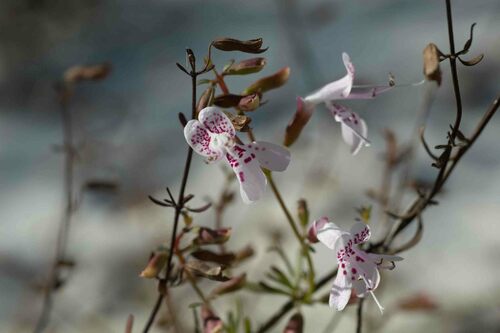
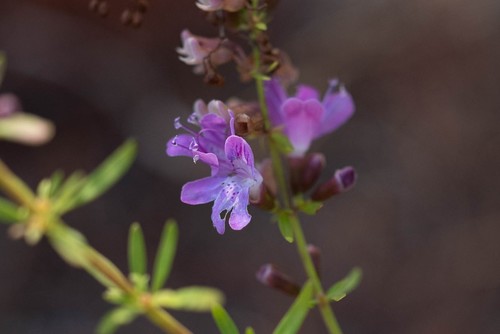
Galeopsis bifida
Boenn.
iNaturalist· cc-by-nc
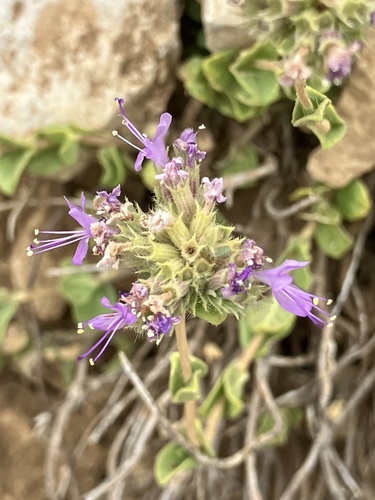
(c) D. Marullo-Masson, some rights reserved (CC BY-NC), uploaded by D. Marullo-Masson
iNaturalist· cc-by-nc
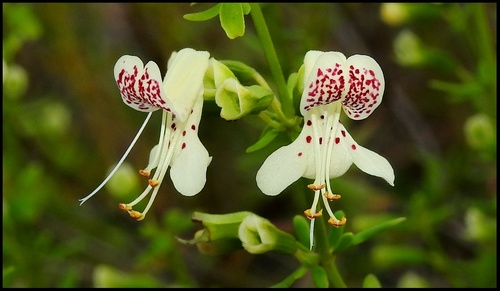
(c) anusha-k, some rights reserved (CC BY-NC)
iNaturalist· cc-by-nc
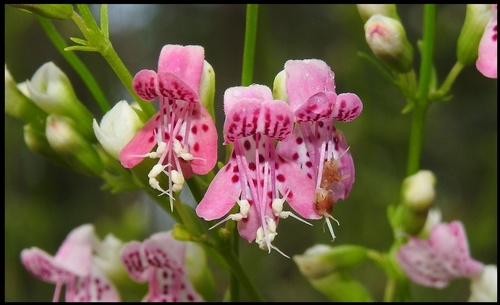
(c) Svetlana Kutueva, some rights reserved (CC BY-NC), uploaded by Svetlana Kutueva
Summary
Source: WikipediaGaleopsis bifida is an annual plant native to Europe and Asia but now found in Canada and the northeastern, midwestern parts of the United States. It has many common names such as bifid hemp-nettle, split-lip hemp-nettle, common hemp-nettle, and large-flowered hemp-nettle. The genus name means weasel-like, referring to the corolla of the flower. It is often confused with other species of Lamiaceae such as Mentha arvensis, Dracocephalum parviflorum and Stachys pilosa.
Description
Galeopsis bifida is a self-fertile annual growing to 1 m tall. It flowers from July through September and has both male and female organs. The plant adapts to light sandy, medium loamy, and heavy clay soils with mildly acidic to mildly alkaline pH. It tolerates semi-shade or full sun and prefers moist conditions.
Edible Uses
The seed yields an oil, though no food use is recorded for it.
Medicinal Uses
No medicinal uses are known.
Known Hazards
The plant is poisonous, causing paralysis.
Distribution
It is a temperate plant. In Yunnan.
Where It Grows
Asia, China, Europe, Korea, Luxembourg, Mongolia, Scandinavia, Sweden,
Cultivation
Grows in most soils, disliking heavy shade. This plant is sometimes grown in the wild garden. Very closely allied to G. tetrahit and considered to be no more than a sub-species of it by some botanists. It is probably of the same hybrid origin as G. tetrahit.
Propagation
Sow seed in spring directly in situ. Germination usually occurs within a month.
Other Uses
A drying oil extracted from the seed is used as a leather polish.
Synonyms
References (3)
- Svanberg, I, 2012, The use of wild plants as food in pre-industrial Sweden. Acta Societatis Botanicorum Poloniae. 81(4): 317-327
- Urgamal, M., Oyuntsetseg, B., Nyambayar, D. & Dulamsuren, Ch. 2014. Conspectus of the vascular plants of Mongolia. (Editors: Sanchir, Ch. & Jamsran, Ts.). Ulaanbaatar, Mongolia. “Admon“ Press. 334pp. (p. 79-90).
- Zhang, L., et al, 2016, Ethnobotanical study of traditional edible plants used by the Naxi people during droughts. Journal of Ethnobiology and Ethnomedicine. 12:39