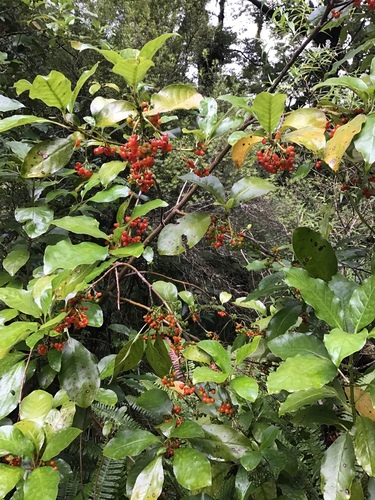
Randia calycina
Cham.
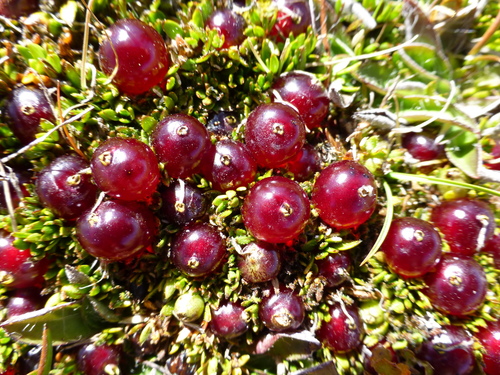
iNaturalist· cc-by-nc
(c) Lucas C. Marinho, some rights reserved (CC BY-NC), uploaded by Lucas C. Marinho
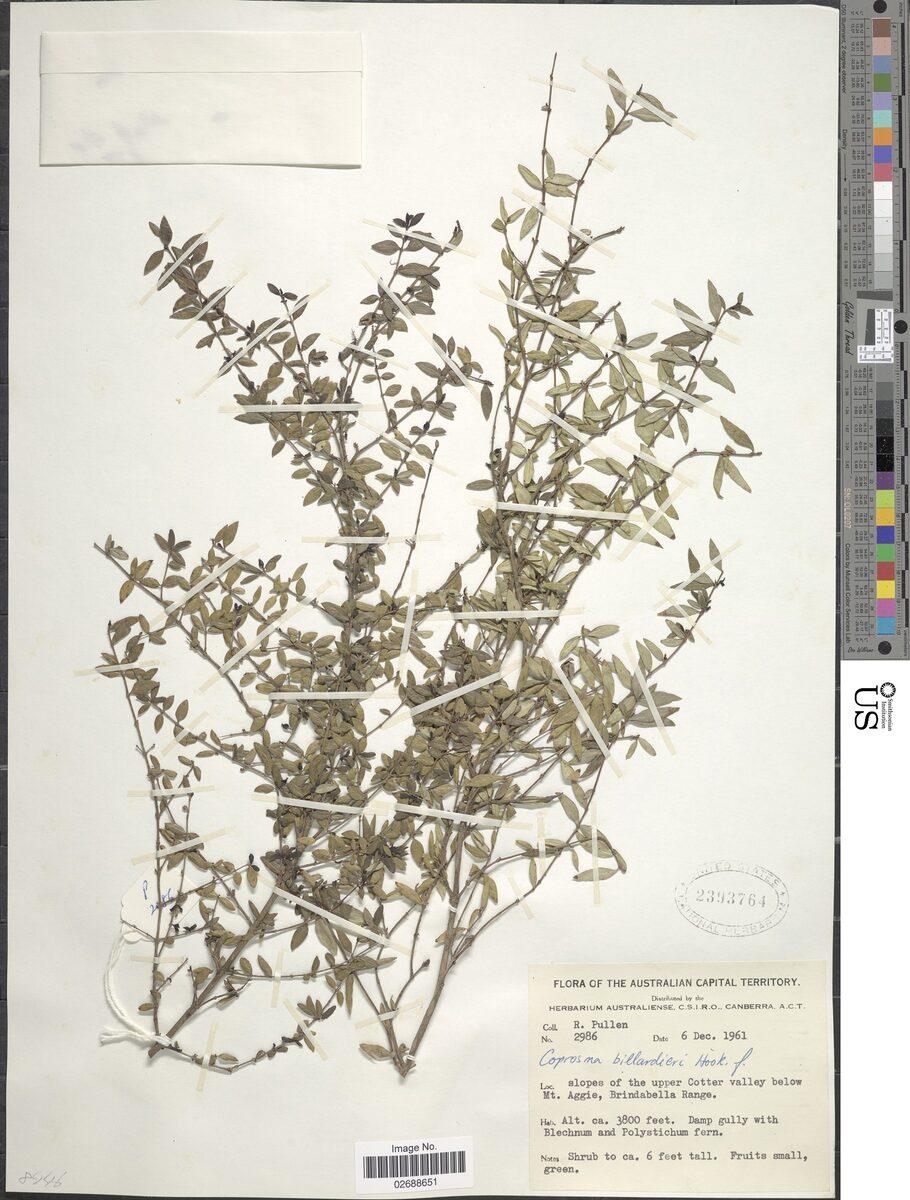
iNaturalist· cc-by-nc-nd
(c) Víctor de Paiva, some rights reserved (CC BY-NC-ND), uploaded by Víctor de Paiva
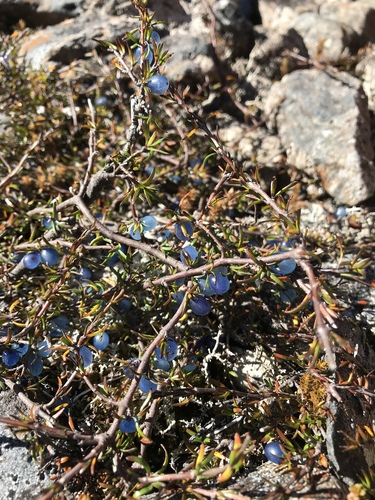
iNaturalist· cc-by-nc-nd
(c) Víctor de Paiva, some rights reserved (CC BY-NC-ND), uploaded by Víctor de Paiva
Description
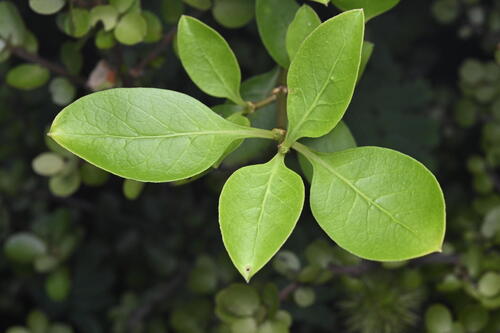
A shrub. It grows 2-4 m tall. It has thorns about 1 cm long. The trunk is grey and branched. It is 6 cm across. The tree loses its leaves. The leaves are opposite and papery. They are oval and 6-11 cm long by 3-5 cm wide. The base is wedge shaped and there is a coating on the upper surface. The male flowers are in groups of 4-6 and female flowers as 1 or 2 together. The fruit are oblong and yellow or back when ripe. There is a coffee coloured layer over the flat seeds.
Edible Uses
The fruit are eaten and have a chocolate or coffee flavor.
Traditional Uses
Fruit have a chocolate or coffee flavour.
This uses section is brief — help expand it
Distribution
It is a tropical plant. It grows in the rainforest in the Amazon. It is recorded up to 1,000 m above sea level. It grows in acid soils.
Where It Grows
Bolivia, Brazil, Colombia, Ecuador, Guyana, Paraguay, Peru, South America,
Cultivation
Plants can be grown from seeds. Seeds germinate after 35-85 days. Plants can be put in a nursery and then transplanted. A spacing of 3-4 m is suitable.
Production
In Brazil plants fruit June to July.
Synonyms
Also Known As
Espino, Guaticuruzu-mirim, Limoncillo, Manzanita
References (3)
- Grandtner, M. M. & Chevrette, J., 2013, Dictionary of Trees, Volume 2: South America: Nomenclature, Taxonomy and Ecology. Academic Press p 561
- Roa, J. A. G. & Boada, D. S. G., 2018, Fundación para el Fortalecimiento de la Fruticultura y Plantas Alimenticias no Convencionales en Colombia.
- www.colecionandofrutas.org