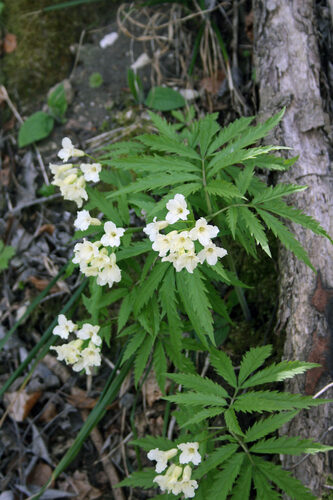
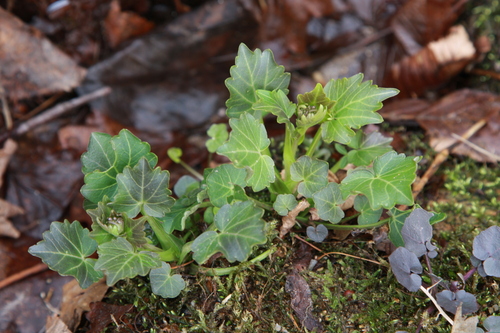
Cochlearia oblongifolia
DC.
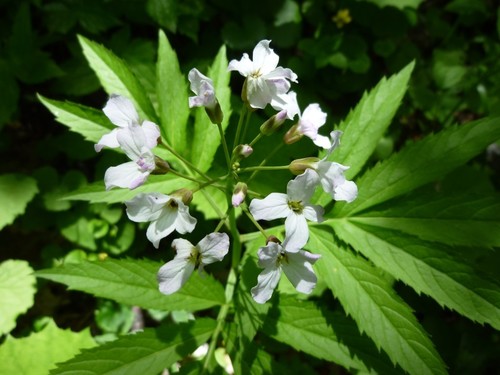
iNaturalist· cc-by-nc
(c) Sergey Lednev, some rights reserved (CC BY-NC)
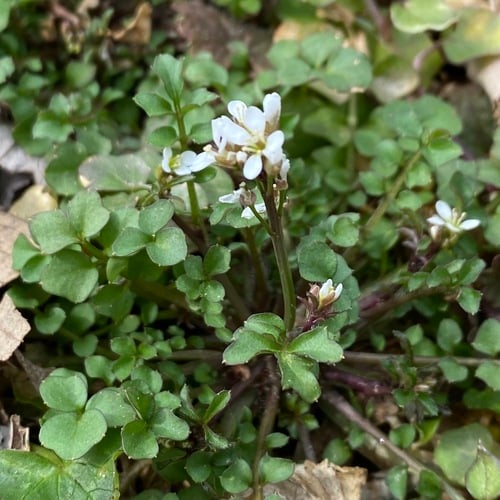
iNaturalist· cc-by-nc
(c) Regina Johnson, some rights reserved (CC BY-NC)
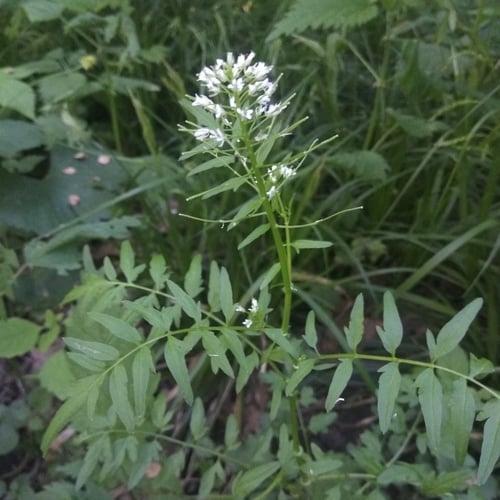
iNaturalist· cc-by-nc
(c) Regina Johnson, some rights reserved (CC BY-NC)
Summary
Source: WikipediaBiennial reaching 20 centimeters. Hermaphroditic flowers pollinated by bees, flies, and beetles. Self-fertile. Adapts to sandy, loamy, or clay soils with preference for good drainage. Tolerates mildly acidic to basic soil pH. Requires full sun and moist soil conditions.
Description
Biennial reaching 20 centimeters. Hermaphroditic flowers pollinated by bees, flies, and beetles. Self-fertile. Adapts to sandy, loamy, or clay soils with preference for good drainage. Tolerates mildly acidic to basic soil pH. Requires full sun and moist soil conditions.
Edible Uses
The leaves are edible when cooked.
Medicinal Uses
None known
Distribution
It is a temperate plant.
Where It Grows
Asia, Japan,
Cultivation
We have very little information on this species and do not know if it will be hardy in Britain, though judging by its native range it should succeed outdoors in many parts of this country. The following notes are based on the general needs of the genus. Succeeds in an acid or calcareous sandy or gritty well-drained soil, disliking shady positions.
Propagation
Sow seed in spring or autumn in situ. Germination usually takes place within 2–3 weeks at 15°c.
Other Uses
None known Special Uses
Synonyms
References (1)
- Plants for a Future database, The Field, Penpol, Lostwithiel, Cornwall, PL22 0NG, UK. http://www.scs.leeds.ac.uk/pfaf/