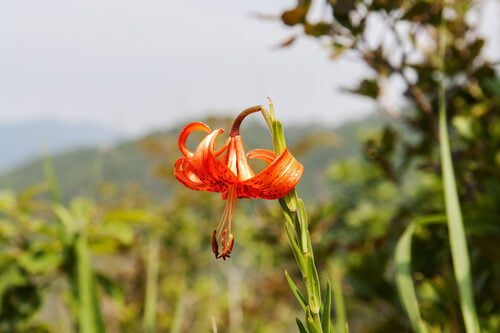
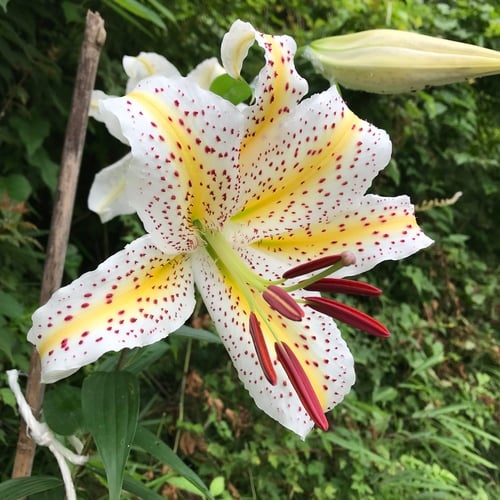
Clintonia udensis
Trautv. & C. A. Mey.
iNaturalist· cc-by-nc-sa
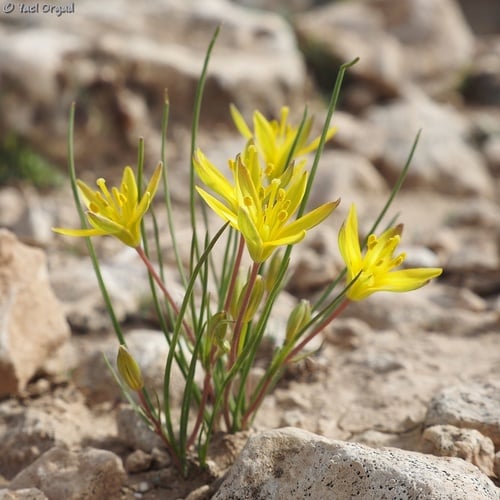
(c) ashitaka, some rights reserved (CC BY-NC-SA)
iNaturalist· cc-by-nc
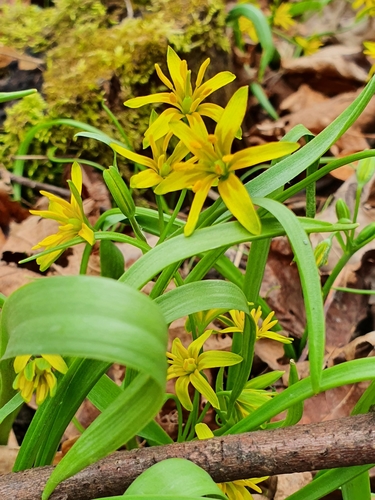
(c) Roman Shatrov, some rights reserved (CC BY-NC), uploaded by Roman Shatrov
iNaturalist· cc-by-sa
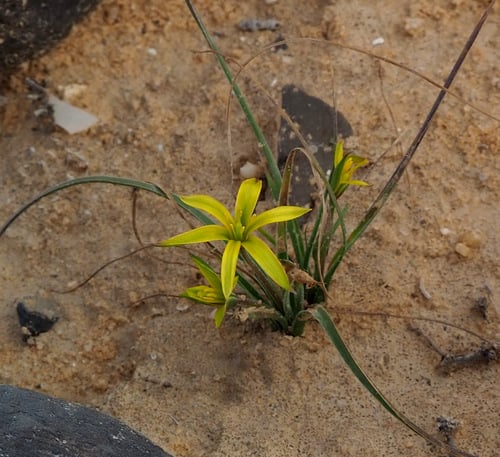
(c) Thibaud Aronson, some rights reserved (CC BY-SA), uploaded by Thibaud Aronson
Summary
Source: WikipediaClintonia udensis is a species of flowering plant in the lily family Liliaceae. It is the only species of Clintonia native to Asia. It prefers sparsely forested habitat including the alpine forests of the Himalayas.
Description
A herb which keeps growing from year to year. It is about 1 m high. It has a creeping rootstock about 5 mm thick. It is covered with fibrous sheaths. There are 3-5 leaves. The leaves do not have leaf stalks. The leaf blades are oblong to sword shaped and cup shaped. They are 8-25 cm long by 3-16 cm wide. The edges are hairy when young. There are 3-12 flowers in a group. The flowers are white or sometimes bluish. They occur in racemes at the ends of branches. The fruit is a blackish-blue berry. It is round or oval and 7-12 mm long by 7-10 mm wide. It has many seeds.
Edible Uses
The young leaves and shoots are edible when cooked and served as a vegetable.
Traditional Uses
The tender leaves and shoots are cooked as a vegetable.
This uses section is brief — help expand it
Medicinal Uses
No medicinal uses are known for this plant.
Distribution
It is a temperate plant. In Nepal it grows at 3200-4000 m altitude. It grows in sparse and alpine forests between 1600-4000 m altitude in China.
Where It Grows
Asia, Bhutan, China, Himalayas, India, Indochina, Japan, Korea, Myanmar, Nepal, Northeastern India, Russia, SE Asia, Siberia, Sikkim,
Cultivation
Prefers a damp peaty sandy soil in a cool damp shady position. Requires a moist neutral to acid soil. Dormant plants are hardy to at least -25°c, but the new growth in spring can be damaged by late frosts. Plants only produce their fruit in warm seasons in Britain.
Propagation
Seed — best sown as soon as ripe in a cold frame, where it usually germinates the following spring. Stored seed should be sown in late winter or early spring in a cold frame; it may germinate within 1–3 months at 15°c but can take up to a year. The seed should be fully separated from the fruit and barely covered with soil. If sown thinly enough, seedlings can remain in the pot through their first growing season and be divided once dormant, with liquid feeds applied at intervals through spring and summer. Otherwise, prick out seedlings into individual pots when large enough to handle. Plant out in late spring or early summer at the start of their second or third year of growth. Alternatively, divide established clumps in spring as new growth is just beginning.
Other Uses
No other uses are known for this plant.
Notes
There are 5 Clintonia species. Also put in the family Uvulariaceae.
Synonyms
Also Known As
Qi jin gu, Re cchema
References (6)
- Chen Xinqi, Liang Songyun, Xu Jiemei, Tamura M.N., Liliaceae. Flora of China. p 81
- Dangol, D. R. et al, 2017, Wild Edible Plants in Nepal. Proceedings of 2nd National Workshop on CUAOGR, 2017.
- Joshi, N., et al, 2007, Traditional neglected vegetables of Nepal: Their sustainable utilization for meeting human needs. Tropentag 2007. Conference on International Agricultural Research for Development.
- Manandhar, N.P., 2002, Plants and People of Nepal. Timber Press. Portland, Oregon. p 162
- A. T. Middendorff, Reise Sibir. 1, 2(3):92. 1856 (Fl. ochot. phan.)
Show all 6 references Hide references
- Plants for a Future database, The Field, Penpol, Lostwithiel, Cornwall, PL22 0NG, UK. http://www.scs.leeds.ac.uk/pfaf/