Solanum insidiosum
Mart.
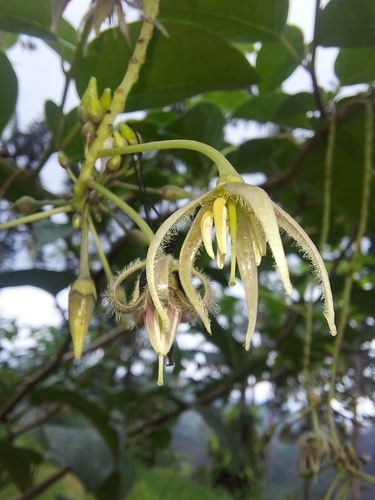
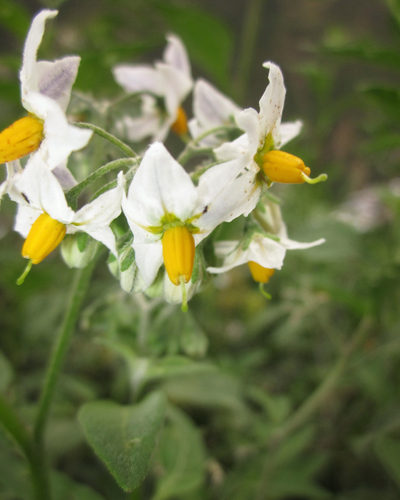
iNaturalist· cc-by-nc
(c) Geovane Siqueira, some rights reserved (CC BY-NC), uploaded by Geovane Siqueira
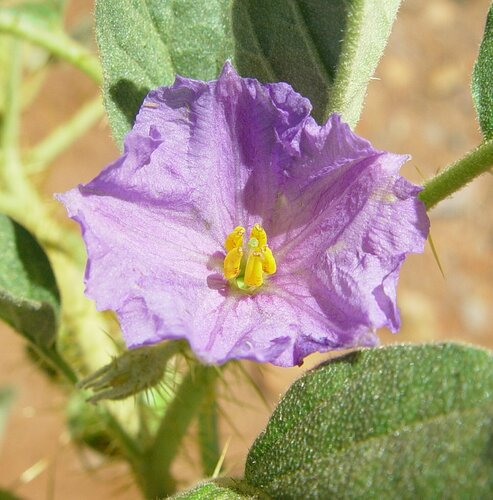
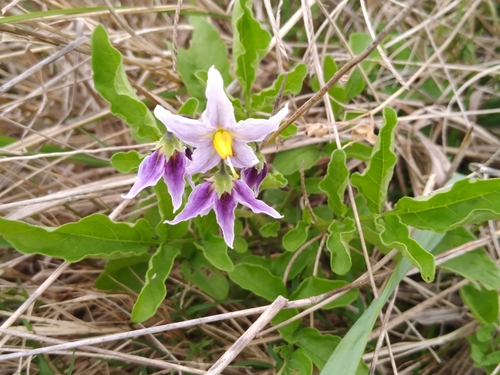
iNaturalist· cc-by-nc
(c) bettinadungs, some rights reserved (CC BY-NC)
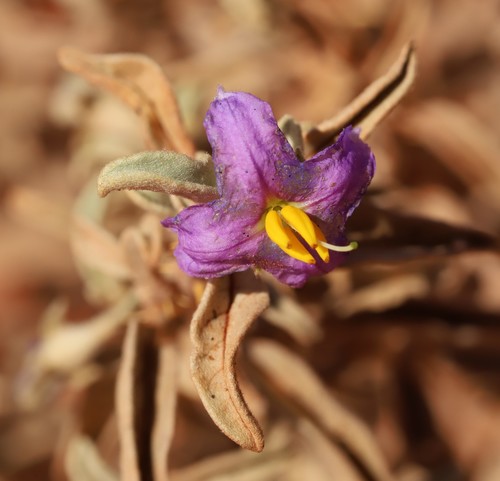
iNaturalist· cc-by-nc
(c) bettinadungs, some rights reserved (CC BY-NC)
Description
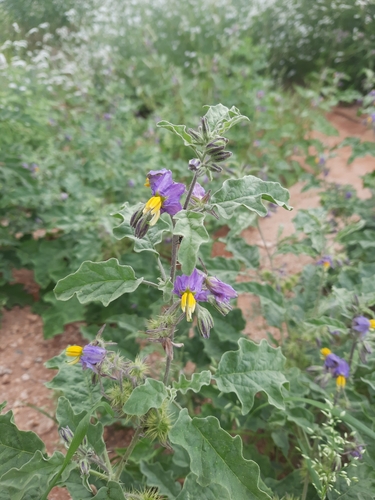
A woody shrub. It grows 2-3 m tall. It has many branches and also prickles. The leaves are simple and can have shallow lobes. They are 3-10 cm long by 2-6 cm wide. The flowering shoots are opposite the leaves and are 3-11 cm long. They branch. There are 10-30 flowers. The fruit is a round berry 1-2 cm across. They are green and yellow when young and ripen to yellow.
Edible Uses
Bitter fruits are used to flavor sweets and alcoholic beverages. A mucilaginous flesh.The mature fruit is a yellow, globose, berry around 10 - 20mm in diameter.
Traditional Uses
The fruit are used to flavour sweets.
This uses section is brief — help expand it
Medicinal Uses
Roots are a diuretic The leaves are used medicinally. No further details.
Known Hazards
Although providing many well-known foods for people, including the potato, tomato, pepper and aubergine, most species in this genus also contain toxic alkaloids. Whilst these alkaloids can make the plant useful in treaing a range of medical conditions, they can also cause problems such as nausea, vomiting, salivation, drowsiness, abdominal pain, diarrhoea, weakness and respiratory depression. Unless there are specific entries with information on edible uses, it would be unwise to ingest any part of this plant.
Distribution
It is a tropical plant.
Where It Grows
Brazil, South America,
Propagation
Seed - sow in trays in a nursery. Prick out the seedlings into individual pots when they are large enough to handle and grow them on fast. Plant them out when 10cm or more tall. Cuttings of half-ripe wood. Very easy, the cuttings root within a couple of weeks.
Synonyms
Also Known As
Jubeba
References (1)
- Kermath, B. M., et al, 2014, Food Plants in the Americas: A survey of the domesticated, cultivated and wild plants used for Human food in North, Central and South America and the Caribbean. On line draft. p 818