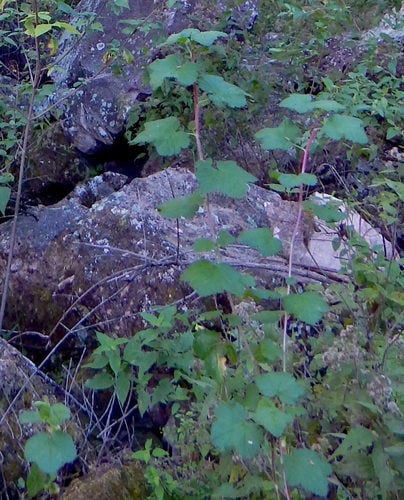
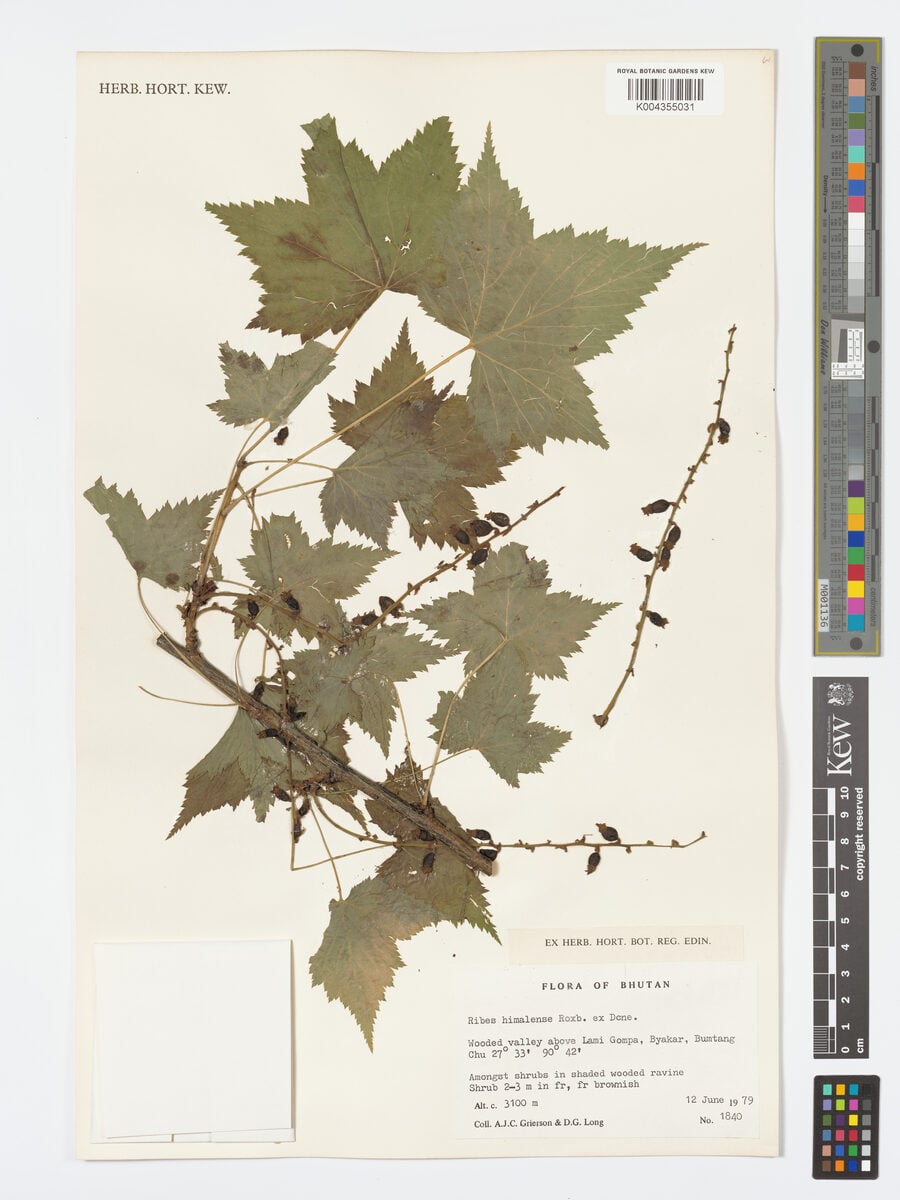
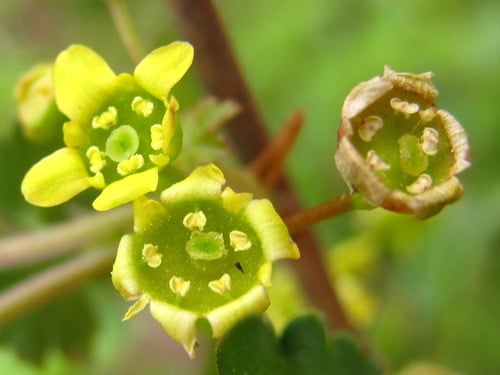
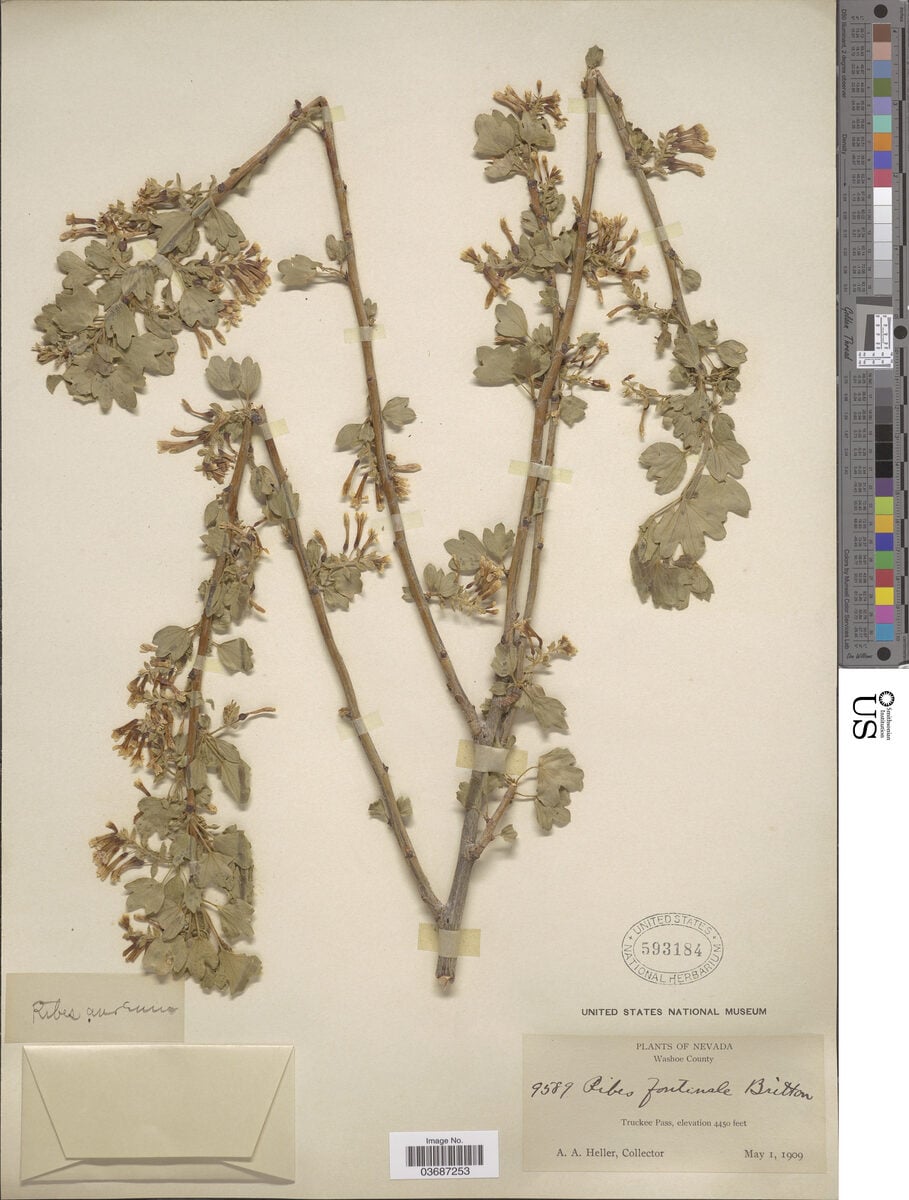
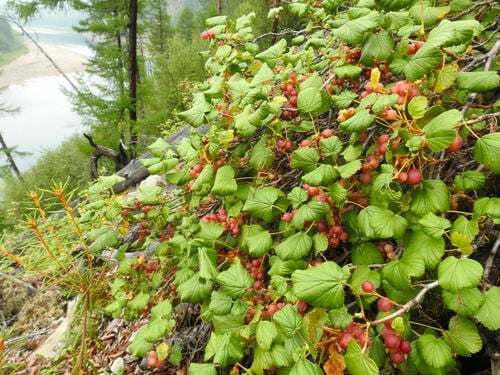
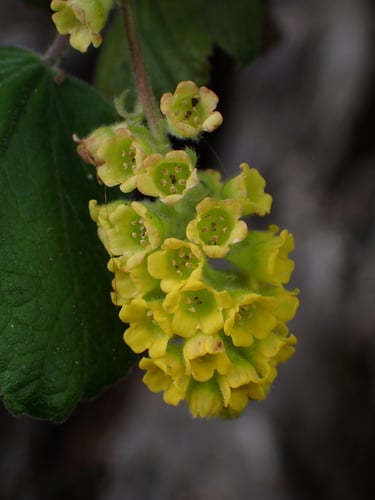
Ribes sativum
(Rchb.) Syme
iNaturalist· cc-by-nc
(c) Joe MacIndewar, some rights reserved (CC BY-NC)
iNaturalist· cc-by-nc
(c) Joe MacIndewar, some rights reserved (CC BY-NC)
iNaturalist· cc-by-nc
(c) Joe MacIndewar, some rights reserved (CC BY-NC)
Summary
Source: WikipediaDeciduous shrub reaching 1 m tall. Self-fertile, insect-pollinated hermaphrodite. Grows in light sandy, medium loamy, or heavy clay soils with good drainage; tolerates mildly acid to basic pH. Prefers moist soil and adapts to semi-shade or full sun.
Description
Deciduous shrub reaching 1 m tall. Self-fertile, insect-pollinated hermaphrodite. Grows in light sandy, medium loamy, or heavy clay soils with good drainage; tolerates mildly acid to basic pH. Prefers moist soil and adapts to semi-shade or full sun.
Edible Uses
The fruit can be eaten raw or cooked in jams, compotes, jellies, puddings, pies, and other preparations. The taste is quite acid, which many find too sharp to enjoy fresh, but it makes an excellent jam or preserve. The fruit is rich in vitamin C, though each berry contains a relatively large number of seeds.
Medicinal Uses
The fruit is a useful source of vitamin C.
Distribution
It is a temperate plant.
Where It Grows
Asia, Europe, Korea, North America, USA,
Propagation
Seed is best sown as soon as it is ripe in autumn in a cold frame. Stored seed requires 3 months of cold stratification at 0–5°C and should be sown as early in the year as possible. Under normal storage conditions, seed can remain viable for 17 years or more. Prick out seedlings into individual pots when large enough to handle, grow on in a cold frame through their first winter, and plant out in late spring the following year. Cuttings of half-ripe wood, 10–15cm with a heel, can be taken in July or August and rooted in a frame. Cuttings of mature wood from the current year's growth, preferably with a heel of the previous year's growth, can be taken November to February in a cold frame or sheltered bed outdoors.
Other Uses
None known.
Synonyms
References (2)
- Kermath, B. M., et al, 2014, Food Plants in the Americas: A survey of the domesticated, cultivated and wild plants used for Human food in North, Central and South America and the Caribbean. On line draft. p 749
- Toupal, R. S. & Hollenback, K., 2009, An Ethnobotany of Indiana Dunes National Lakeshore: Plant Uses of the Ojibwa People. Bureau of Applied Research in Anthropology. University of Arizona