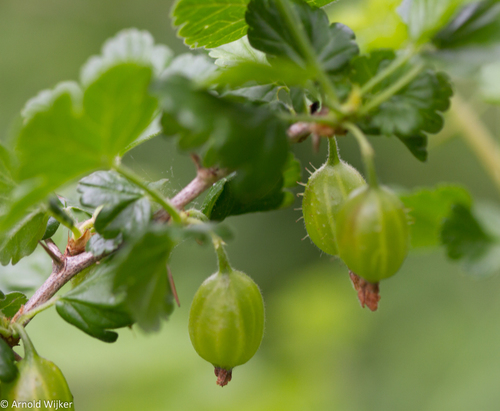
Ribes lacustre
(Pers.) Poir.
Bristly black currant, Swamp gooseberry
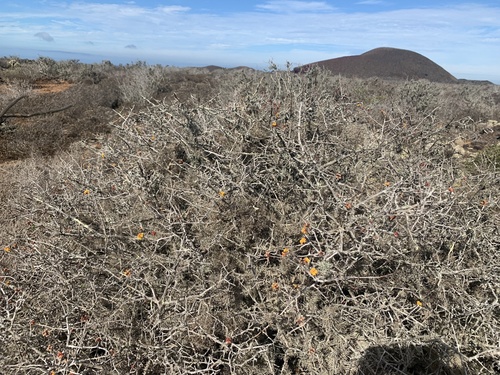
iNaturalist· cc-by-nc
(c) Mike and Cathy Beamish, some rights reserved (CC BY-NC), uploaded by Mike and Cathy Beamish
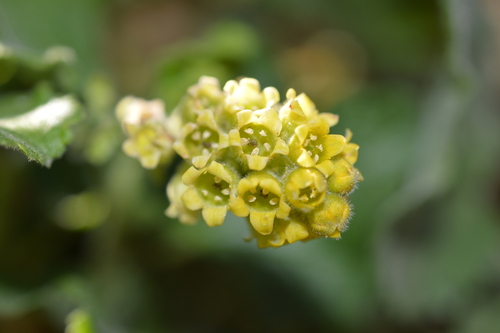
iNaturalist· cc-by-sa
(c) Brian Finzel, some rights reserved (CC BY-SA), uploaded by Brian Finzel
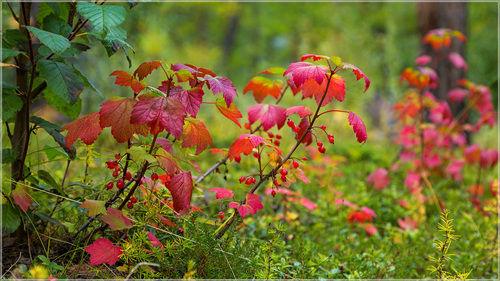
iNaturalist· cc-by-nc
(c) Mike Patterson, some rights reserved (CC BY-NC), uploaded by Mike Patterson
Summary
Source: WikipediaRibes lacustre is a species of flowering plant known by the common names prickly currant, bristly black currant, black swamp gooseberry, and black gooseberry. It is a shrub widely distributed in North America.
Description
Deciduous shrub growing to 1.5m tall, hardy to UK zone 4. Hermaphrodite flowers bloom April to May and are insect-pollinated. Adapts to light sandy, medium loamy, and heavy clay soils with preference for well-drained conditions. Tolerates mildly acid, neutral, or mildly alkaline pH. Grows in semi-shaded woodland or open sun. Prefers moist soil.
Edible Uses
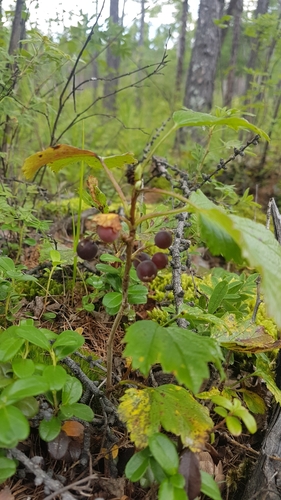
The fruit, about 5mm in diameter and covered with weak gland-tipped bristles, can be eaten raw or cooked, dried for later use, or made into jams and preserves. It is tart and very juicy; fully ripe fruit has an agreeable flavour. When crushed the fruit has a foul odour, but when eaten by the handful the odour is inoffensive, and when cooked the fruit makes a good sauce.
Traditional Uses
The fruit are eaten fresh or used in pies, jellies and jams. They are occasionally dried. The leafy twigs are used for tea.
This uses section is brief — help expand it
Medicinal Uses
The leaves or bark can be chewed and placed on sores caused by the plant's prickles. A decoction of the bark has been used as a wash for sore eyes and has also been taken by women during labour to ease childbirth. A decoction of the root can be taken several times a day as a treatment for constipation. A decoction of the twigs has been taken to relieve general body aches. A decoction of dried branches has been used to treat stomach complaints, diarrhoea, and colds.
Distribution
It is a temperate plant.
Where It Grows
Canada, North America, USA,
Propagation
Seed is best sown as soon as it is ripe in autumn in a cold frame. Stored seed requires 4–6 months cold stratification at about 0°C and should be sown as early in the year as possible. Under normal storage conditions seed can remain viable for 17 years or more. Prick out seedlings into individual pots when large enough to handle, grow on in a cold frame for their first winter, then plant out in late spring the following year. Cuttings of half-ripe wood, 10–15cm with a heel, can be taken in July/August in a frame. Cuttings of mature wood of the current year's growth, preferably with a heel of the previous year's growth, can be taken November to February in a cold frame or sheltered bed outdoors.
Other Uses
The roots have been boiled together with cedar (Juniperus spp., Thuja sp.) and wild rose (Rosa spp.) roots, then pounded and woven into rope. The sharp thorns have been used as probes for boils, for removing splinters, and for tattooing.
Nutrition
| Part | Moisture | kJ | kcal | Protein | Vit A | Vit C | Iron | Zinc |
|---|---|---|---|---|---|---|---|---|
| Fruit | 86 | 276 | 66 | 1.5 | — | 58.2 | 0.4 | 0.2 |
References (4)
- Fisk, J. R. & Hoover, E., 2015, Wild Fruits of Minnesota. A Field Guide. University of Minnesota p 17
- Kermath, B. M., et al, 2014, Food Plants in the Americas: A survey of the domesticated, cultivated and wild plants used for Human food in North, Central and South America and the Caribbean. On line draft. p 747
- Kuhnlein, H. V., et al, 2009, Indigenous Peoples' food systems. FAO Rome p 33
- Turner, N., et al, 2011, "Up on the Mountain": Ethnobotanical Important of Montane Sites in Pacific Coastal North America. Journal of Ethnobiology 31(1): 4-43