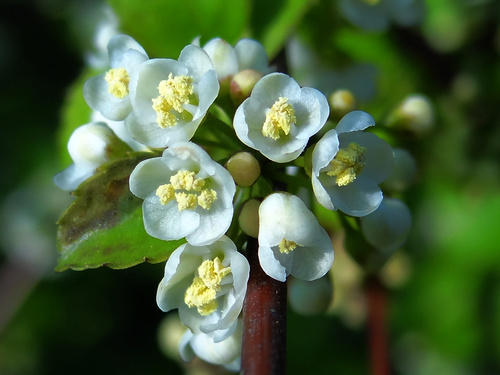
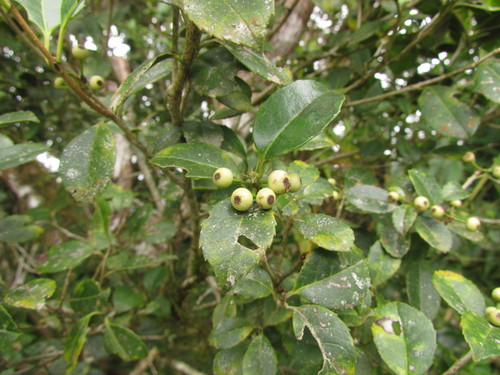
Ilex conocarpa
Reissek
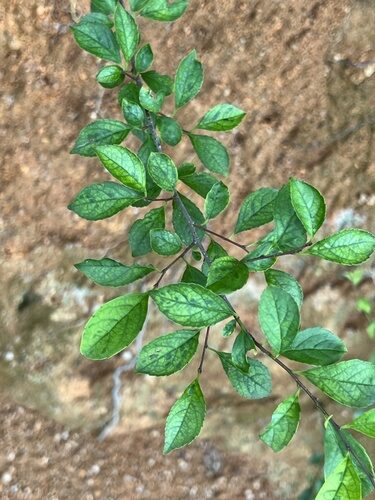
iNaturalist· cc-by-nc
(c) Maria Clara Gil, some rights reserved (CC BY-NC), uploaded by Maria Clara Gil
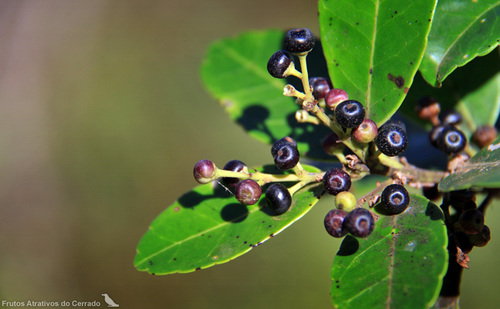
iNaturalist· cc-by-nc
(c) Maria Clara Gil, some rights reserved (CC BY-NC)
Summary
Source: WikipediaIlex conocarpa is a species in the genus Ilex of the family Aquifoliaceae. It is native to Brazil, typically in Cerrado vegetation.
Description
A tropical shrub in the Aquifoliaceae family. The leaves are used to make a tea-like drink or mate.
This description is brief — help expand it
Edible Uses
Leaves are occasionally brewed as a tea-like drink or mate.
Traditional Uses
The leaves are occasionally used to make a tea-like drink or mate.
This uses section is brief — help expand it
Medicinal Uses
The leaves are diuretic, stomachic and tonic. It is used as a substitute for Yerba Mate (Ilex paraguariensis). As with the related Ilex paraguariensis (Yerba Mate), regular consumption of a tea made from the leaves of this species has been shown to have a range of beneficial regulatory effects upon the body, particularly by acting as an antioxidant and by regulating blood-lipid levels, thus lowering high cholesterol levels and improving circulation to the heart.
Known Hazards
Although no specific reports of toxicity have been seen for this species, Ilex species in general contain several potentially toxic compounds, particularly saponins, glycosides and triterpenoids. These compounds also often have a range of potential health benefits. The berries are usually the part of the plant most likely to be toxic, though the degree of toxicity is usually low. Their bitter flavour usually prevents a person eating more than one or two, but even a small handful of the fruit eaten by a healthy adult is unlikely to cause more than feelings of nausea that can lead on to vomiting and diarrhoea. The compounds in the leaves are particularly interesting. The leaves of many Ilex species around the world are commonly used to make health-promoting teas that, when drunk on a regular basis, help to regulate bodily functions and can reduce the risk of heart disease, lower blood-cholesterol levels etc (See Ilex paraguariensis or Ilex kaushue for examples). Even these teas, however, if taken in very concentrated doses, can act as a laxative or cause vomiting. Indeed, several species are used by traditional peoples to induce vomiting as a means of purifying the body (see Ilex guayusa or Ilex vomitoria for examples)
Distribution
It is a tropical plant.
Where It Grows
Brazil, South America,
Cultivation
Found at elevations over 700 metres in the tropics. Ilex species generally tolerate most soils that are not water-logged. A dioecious species, both male and female forms need to be grown if fruit and seed are required.
Other Uses
A black dye can be obtained from the plant.
References (1)
- Kermath, B. M., et al, 2014, Food Plants in the Americas: A survey of the domesticated, cultivated and wild plants used for Human food in North, Central and South America and the Caribbean. On line draft. p 432