Coccoloba marginata
Benth.
Margined seagrape
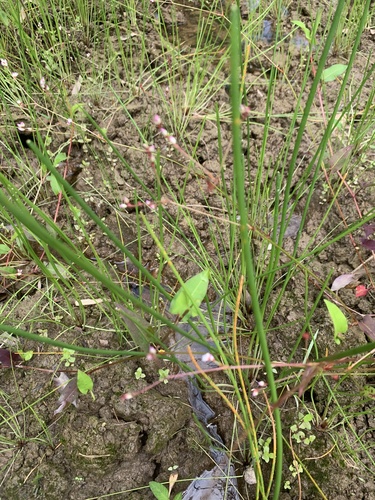
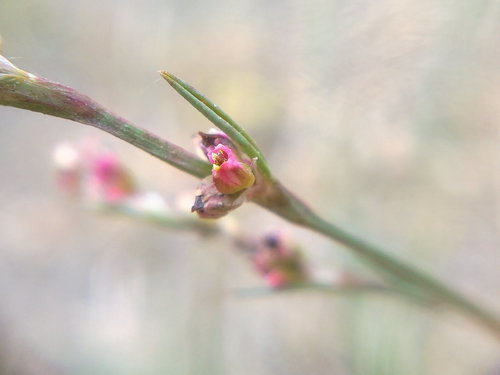
iNaturalist· cc-by-nc
(c) Olivier Fortune - Isabelle Delafosse, some rights reserved (CC BY-NC), uploaded by Olivier Fortune - Isabelle Delafosse
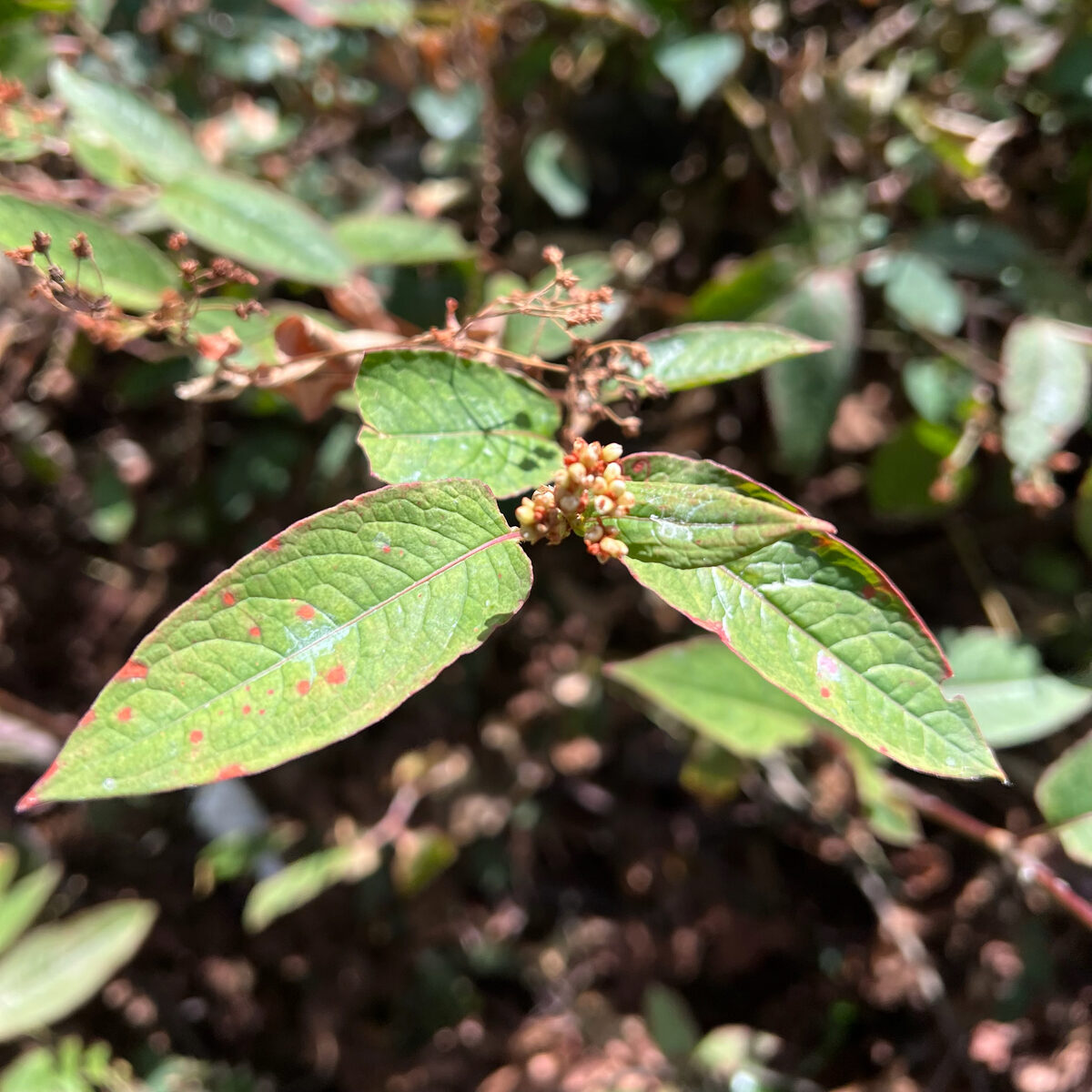
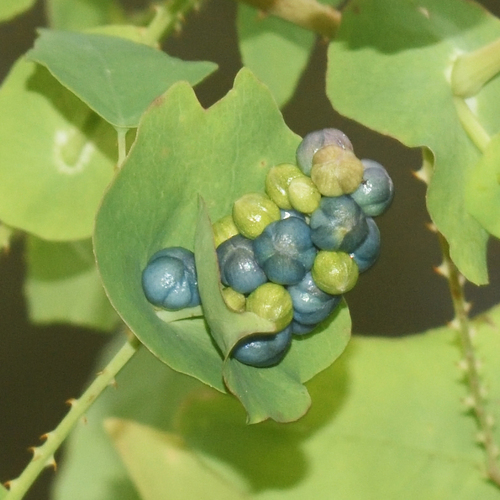
iNaturalist· cc-by-nc
(c) Nils Servientis - Bivouac Naturaliste, some rights reserved (CC BY-NC)
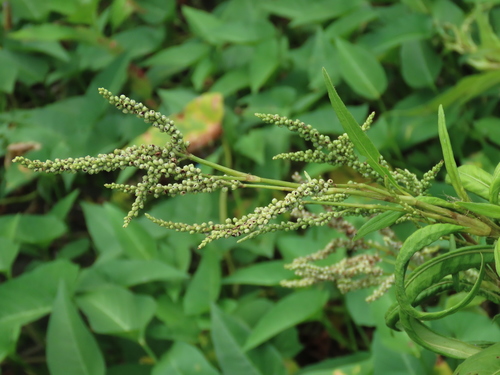
iNaturalist· cc-by-nc
(c) Nils Servientis - Bivouac Naturaliste, some rights reserved (CC BY-NC)
Description
A scrambling shrub. The leaves are leathery. The fruit are reddish brown to black.
This description is brief — help expand it
Edible Uses
The fruit are eaten fresh, though they are dry and astringent, and notably stain the mouth blue.
Traditional Uses
The fruit are eaten. They are dry and astringent. They stain the mouth blue.
This uses section is brief — help expand it
Distribution
It is a tropical plant.
Where It Grows
Bolivia, Brazil, Colombia, Guianas, Guyana, Peru, South America, Trinidad and Tobago, Venezuela,
Synonyms
Also Known As
Arehuequito, Baquerito, Bradilifi, Cipo-pau, Dukuadi-jodu, Etuburrucuaja, Guayapapon, Masari, Ocaiman, Pipoca, Una de gato, Vino huayo
References (4)
- Grandtner, M. M. & Chevrette, J., 2013, Dictionary of Trees, Volume 2: South America: Nomenclature, Taxonomy and Ecology. Academic Press p 148
- Kermath, B. M., et al, 2014, Food Plants in the Americas: A survey of the domesticated, cultivated and wild plants used for Human food in North, Central and South America and the Caribbean. On line draft. p 249
- Roa, J. A. G. & Boada, D. S. G., 2018, Fundación para el Fortalecimiento de la Fruticultura y Plantas Alimenticias no Convencionales en Colombia.
- van Andel, T., 2000, Useful plants of Guyana. Non-timber forest products of the North-West District of Guyana. Part 2. A Field Guide. Tropenbos-Guyana Programme. p 301