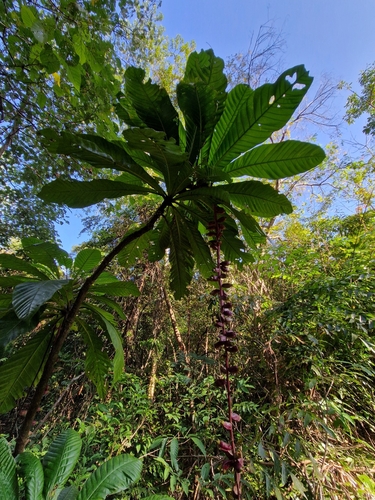
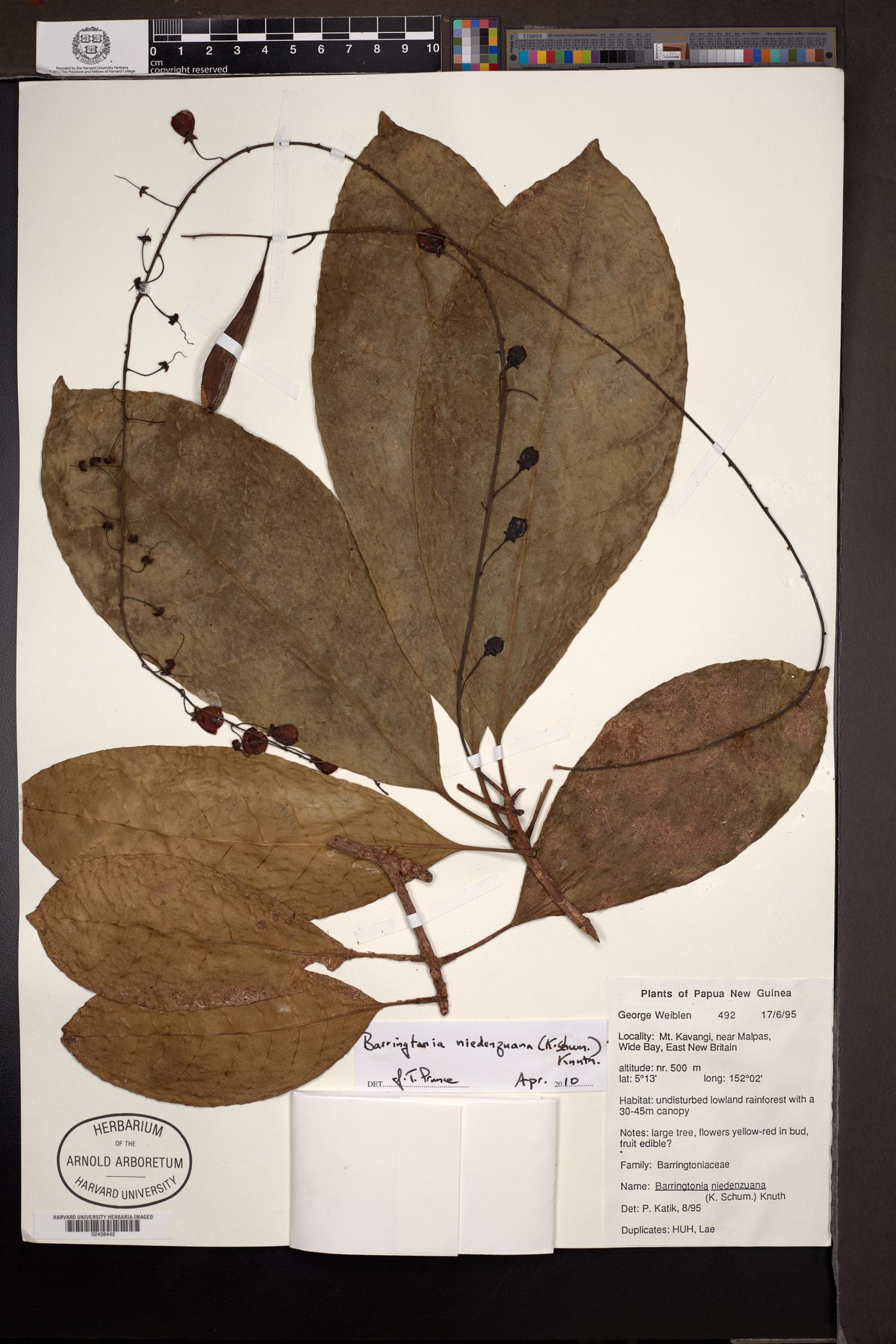
Cariniana pyriformis
Miers
Columbian mahogany
iNaturalist· cc-by-nc-sa
(c) Gabriel Camilo Jaramillo Giraldo, some rights reserved (CC BY-NC-SA), uploaded by Gabriel Camilo Jaramillo Giraldo
iNaturalist· cc-by-nc-sa
(c) Gabriel Camilo Jaramillo Giraldo, some rights reserved (CC BY-NC-SA), uploaded by Gabriel Camilo Jaramillo Giraldo
iNaturalist· cc-by-nc-sa
(c) Gabriel Camilo Jaramillo Giraldo, some rights reserved (CC BY-NC-SA), uploaded by Gabriel Camilo Jaramillo Giraldo
Summary
Source: WikipediaCariniana pyriformis (known as Colombian mahogany or abarco) is a species of woody plant in the family Lecythidaceae. It is found in Brazil, Colombia, Costa Rica, and Venezuela. It is threatened by habitat loss.
Description
A tropical tree in the Lecythidaceae family native to Colombia.
This description is brief — help expand it
Edible Uses
The aril surrounding the seed is eaten.
Traditional Uses
The aril around the seed is eaten.
This uses section is brief — help expand it
Distribution
It is a tropical plant.
Where It Grows
Colombia, South America, Trinidad-Tobago, Venezuela,
Cultivation
A plant of the humid, lowland tropics, where it is found at elevations up to 600 metres. It grows best in areas where annual daytime temperatures are within the range 25 - 30°c, but can tolerate 18 - 34°c. It prefers a mean annual rainfall in the range 2,500 - 3,500mm, but tolerates 2,000 - 4,000mm. Succeeds in full sun or partial shade. Prefers a medium to heavy, moderately fertile soil. Prefers a pH in the range 5 - 6, tolerating 4.5 - 7. Annual wood production potential is 10 - 20 m3/ha.
Other Uses
The bark is made into cordage. The heartwood is pinkish brown or reddish; it is usually not clearly demarcated from the 5 - 7cm wide band of paler-coloured sapwood. The texture is rather fine; the grain straight to slightly interlocked, and sometimes attractively figured; lustre medium to high. The wood is moderately hard; moderately heavy; tough; strong; durable, being resistant to termites, dry wood and marine borers, and moderately resistant to fungi. It seasons somewhat slowly with only a slight risk of checking or distortion; once dry it is moderately stable in service. It is fairly difficult to work because of its silica content - it is reported to dull saws and other tools very quickly so cutters tipped with tungsten carbide and the use of slower feed-speeds are recommended; a filler is required to obtain a lustrous finish; it takes paints satisfactorily; nailing and screwing are good but require pre-boring; gluing is correct. Stock is resilient and quite resistant to shock. It peels and slices well. The wood has a wide range of applications, including for cabinet making and high class furniture, light carpentry, joinery, interior panelling, ship building, flooring and turnery. It is made into veneer.
Synonyms
Also Known As
Abarco, Bacu, Ceru, Chibuga, Jequitiba-amarella, Jequitiba-rosa, Tayrary
References (2)
- Kermath, B. M., et al, 2014, Food Plants in the Americas: A survey of the domesticated, cultivated and wild plants used for Human food in North, Central and South America and the Caribbean. On line draft. p 184
- Kew Plants of the World On line