Acanthocereus occidentalis
Britton & Rose
Bajinco
iNaturalist· cc-by-nc-sa
(c) María Eugenia Mendiola González, some rights reserved (CC BY-NC-SA)
iNaturalist· cc-by-nc-sa
(c) María Eugenia Mendiola González, some rights reserved (CC BY-NC-SA)
iNaturalist· cc-by
(c) Jonathan Layman, some rights reserved (CC BY)
Description
A shrub or small tree. It grows 5 m tall. There are prickles along the stem. The leaves are twice divided and there are 8-18 pairs of pinnae. There are up to 50 pairs of pinnules on each pinnae. The flowers are yellow. They are in large clusters at the ends of branches. The pods are flattened.
Edible Uses
Young stems are eaten as a vegetable.
Traditional Uses
Young stems are eaten as a vegetable.
This uses section is brief — help expand it
Known Hazards
Toxicodendron radicans: vine – yedra Toxicodendron radicans var. divaricatum: vine – yedra
Distribution
It is a subtropical plant.
Where It Grows
Mexico,
Also Known As
Tasajillo
References (1)
- Kermath, B. M., et al, 2014, Food Plants in the Americas: A survey of the domesticated, cultivated and wild plants used for Human food in North, Central and South America and the Caribbean. On line draft. p 10
More from Cactaceae
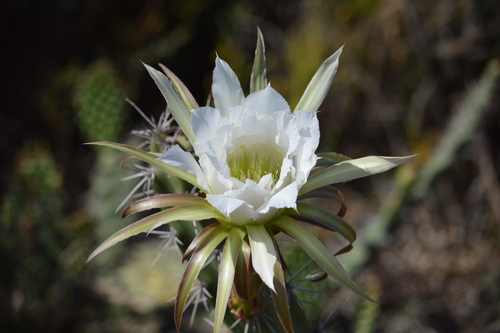
Harrisia bonplandii
Datura, Ajnia
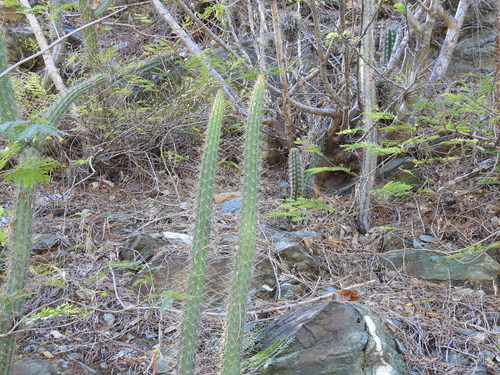
Harrisia eriophora
Fragrant prickly apple
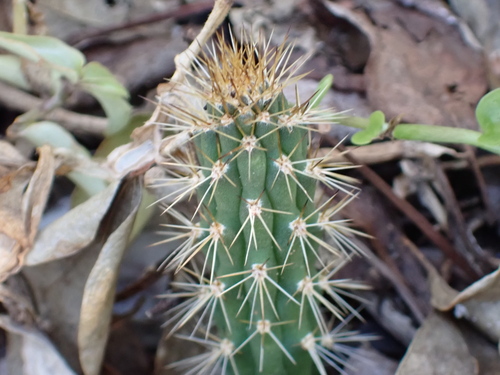
Harrisia fragrans
Caribbean apple cactus, Fragrant prickly-apple
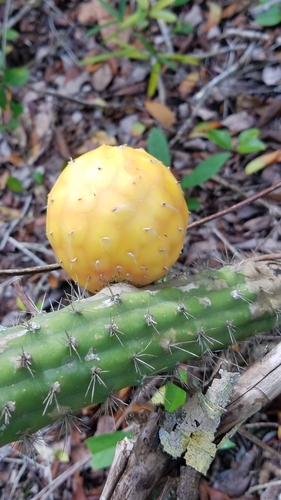
Harrisia simpsonii
Simpson's apple cactus
Helianthocereus atacamensis
Cardon
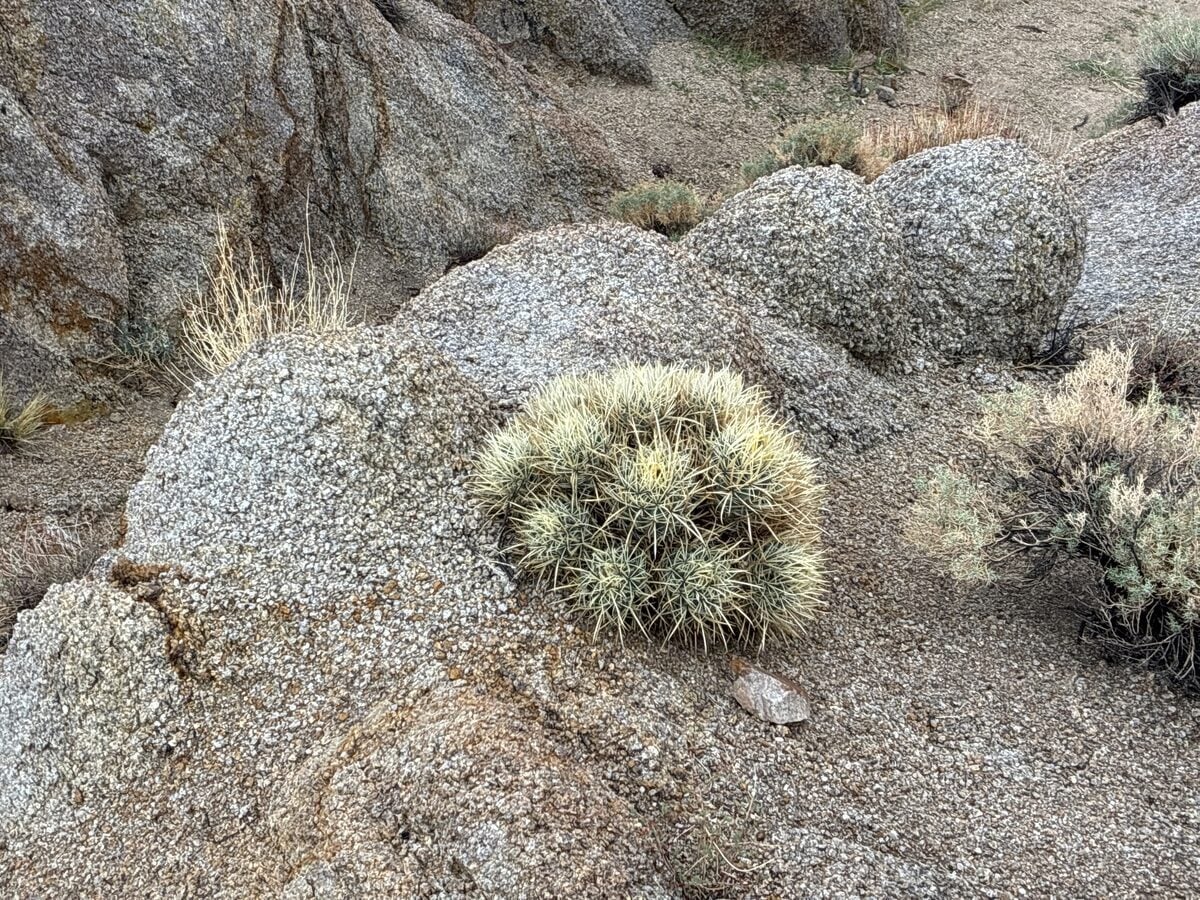
Homalocephala polycephala - (Engelm. & J.M.Bigelow) F.M.Knuth
Triangle Cactus, Cotton-top cactus