Costaria costata
(C. Agardh) De A. Saunders
Sujime
iNaturalist· cc-by-nc
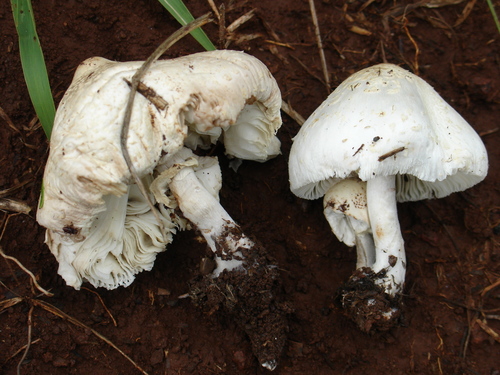
(c) Rebecca Johnson, some rights reserved (CC BY-NC), uploaded by Rebecca Johnson
iNaturalist· cc-by-nc
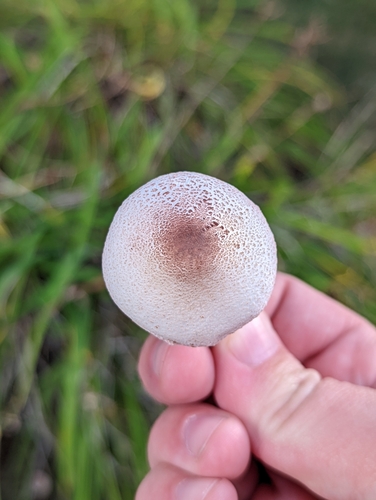
(c) Kate Turner, some rights reserved (CC BY-NC), uploaded by Kate Turner
iNaturalist· cc-by-nc
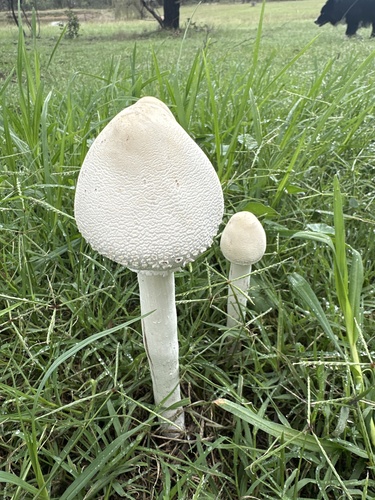
(c) Connor, some rights reserved (CC BY-NC), uploaded by Connor
Description
A seaweed that grows in temperate ocean waters.
This description is brief — help expand it
Edible Uses
Giant kelp can be harvested fairly easily because of its surface canopy and growth habit of staying in deeper water. Kelp ash is rich in iodine and alkali. In great amount, kelp ash can be used in soap and glass production. Until the Leblanc process was commercialized in the early 19th century, burning of kelp in Scotland was one of the principal industrial sources of soda ash (predominantly sodium carbonate). Around 23 tons of seaweed was required to produce 1 ton of kelp ash. The kelp ash would consist of around 5% sodium carbonate. Once the Leblanc Process became commercially viable in Britain during the 1820s, common salt replaced kelp ash as raw material for sodium carbonate. Though the price of kelp ash went into steep decline, seaweed remained the only commercial source of iodine. To supply the new industry in iodine synthesis, kelp ash production continued in some parts of West and North Scotland, North West Ireland and Guernsey. The species Saccharina latissima yielded the greatest amount of iodine (between 10 and 15 lbs per ton) and was most abundant in Guernsey. Iodine was extracted from kelp ash using a lixiviation process. As with sodium carbonate however, mineral sources eventually supplanted seaweed in iodine production. Alginate, a kelp-derived carbohydrate, is used to thicken products such as ice cream, jelly, salad dressing, and toothpaste, as well as an ingredient in exotic dog food and in manufactured goods. Alginate powder is also used frequently in general dentistry and orthodontics for making impressions of the upper and lower arches. Kelp polysaccharides are used in skin care as gelling ingredients and because of claimed, but unproven, benefits provided by fucoidan. Kombu (昆布 in Japanese, and 海带 in Chinese, Saccharina japonica and others), several Pacific species of kelp, is a very important ingredient in Chinese, Japanese, and Korean cuisines. Kombu is used to flavor broths and stews (especially dashi), as a savory garnish (tororo konbu) for rice and other dishes, as a vegetable, and a primary ingredient in popular snacks (such as tsukudani). Transparent sheets of kelp (oboro konbu) are used as an edible decorative wrapping for rice and other foods. Kombu can be used to soften beans during cooking, and to help convert indigestible sugars and thus reduce flatulence.
Medicinal Uses
In Russia, especially in the Russian Far East, and former Soviet Union countries several types of kelp are of commercial importance: Saccharina latissima, Laminaria digitata, Saccharina japonica. Known locally as "Sea Cabbage" (Морская капуста in Russian), it comes in retail trade in dried or frozen, as well as in canned form and used as filler in different types of salads, soups and pastries. Because of its high concentration of iodine, brown kelp (Laminaria) has been used to treat goiter, an enlargement of the thyroid gland caused by a lack of iodine, since medieval times. An intake of roughly 150 micrograms of iodine per day is beneficial for preventing hypothyroidism. Overconsumption can lead to kelp-induced thyrotoxicosis. In 2010, researchers found that alginate, the soluble fibre substance in sea kelp, was better at preventing fat absorption than most over-the-counter slimming treatments in laboratory trials. As a food additive, it may be used to reduce fat absorption and thus obesity. Kelp in its natural form has not yet been demonstrated to have such effects. Kelp's rich iron content can help prevent iron deficiency.
Distribution
It grows in temperate waters.
Where It Grows
Asia, Canada, Japan, Russia,
Synonyms
References (1)
- Kuhnlein, H. V. and Turner, N. J., 1991, Traditional Plant Foods of Canadian Indigenous Peoples. Food and Nutrition in History and Anthropology Volume 8. Gordon and Breach. p 18