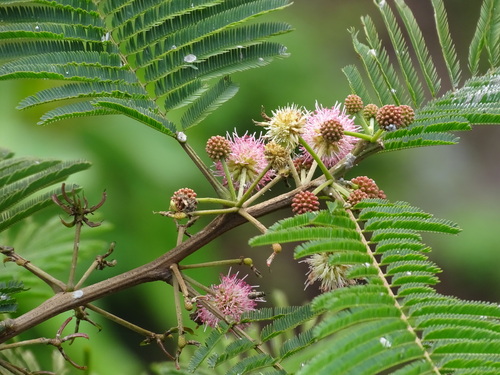
Styphnolobium japonicum
(L.) Schott
Japanese pagoda tree
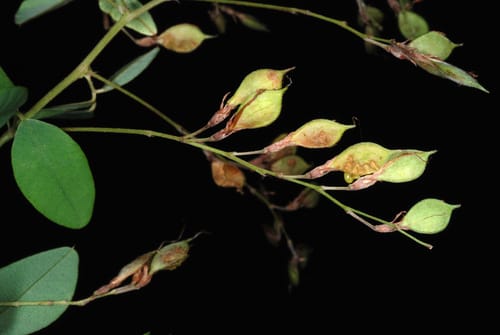
iNaturalist· cc-by
(c) Michael Ellis, some rights reserved (CC BY), uploaded by Michael Ellis
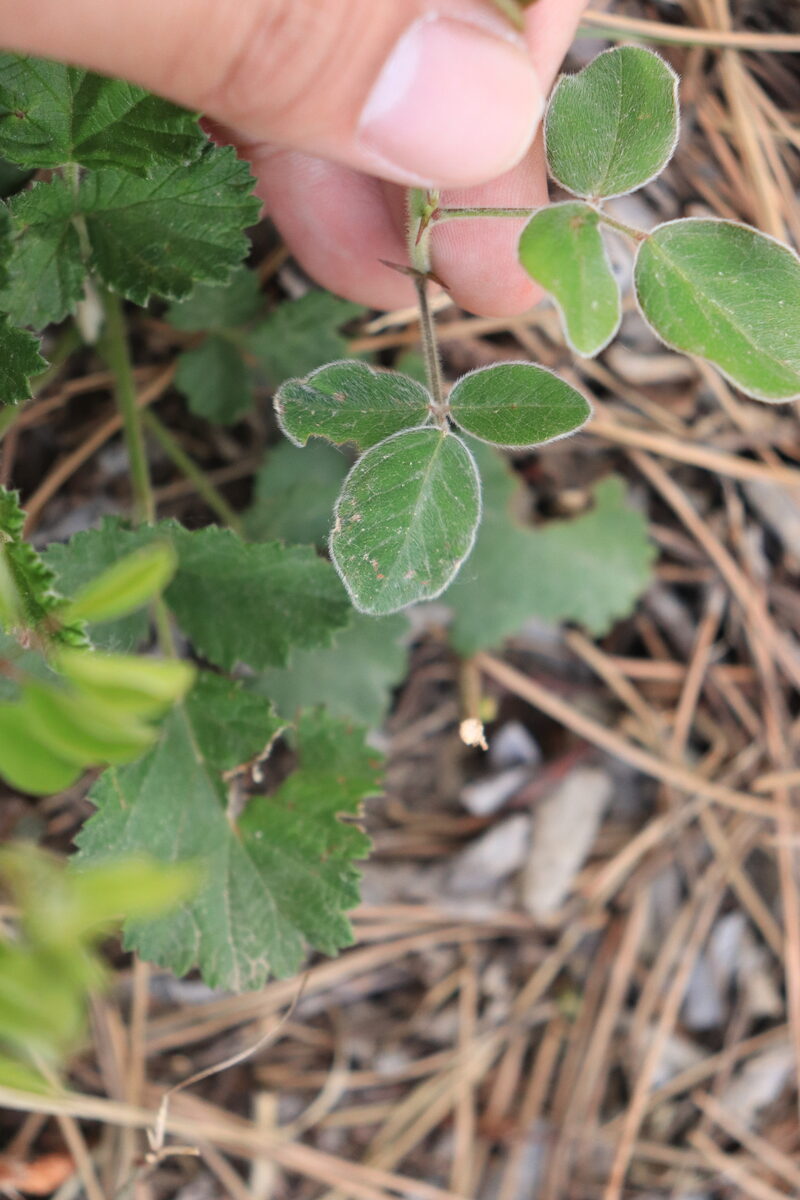
iNaturalist· cc-by-nc
(c) drchancey, some rights reserved (CC BY-NC), uploaded by drchancey
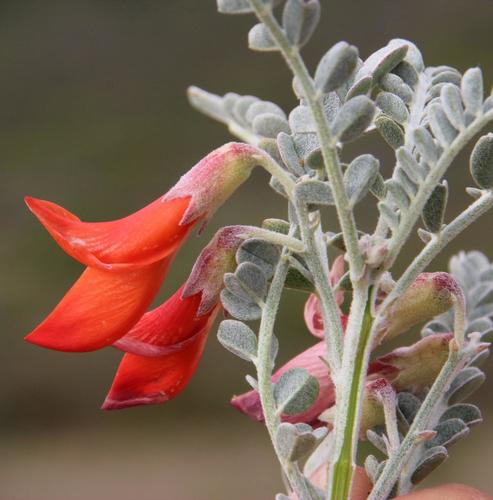
iNaturalist· cc-by-nc
(c) Víctor Huete Pelaez, some rights reserved (CC BY-NC), uploaded by Víctor Huete Pelaez
Summary
Source: WikipediaStyphnolobium japonicum, the Japanese pagoda tree (also known as the Chinese scholar tree and pagoda tree; syn. Sophora japonica) is a species of deciduous tree in the subfamily Faboideae of the pea family Fabaceae. It was formerly included within a broader interpretation of the genus Sophora. The species of Styphnolobium differ from Sophora in lacking the ability to form symbioses with rhizobia (nitrogen fixing bacteria) on their roots. It also differs from the related genus Calia (mescalbeans) in having deciduous leaves and flowers in axillary, not terminal, racemes. The leaves are alternate, pinnate, with nine to 21 leaflets, and the flowers in pendulous racemes similar to those of the black locust.
Description
A temperate tree in the legume family growing 10-20 m tall with white flowers, native to or grown in temperate regions such as Yunnan and cultivation areas like the National Arboretum Canberra.
Edible Uses
The flowers and leaves are brewed as tea.
Medicinal Uses
S. japonicum (Chinese: 槐; pinyin: huái; formerly Sophora japonica) is one of the 50 fundamental herbs used in traditional Chinese medicine. Its fruits have stress resistance and antioxidant properties.
Distribution
It is a temperate plant. In Yunnan. National Arboretum Canberra.
Where It Grows
Africa, Asia, Australia, Caucasus, China*, Czech Republic, Egypt, Europe, France, Himalayas, Hungary, India, Iraq, Japan, Korea, Kyrgyzstan, North America, Pakistan, Romania, Russia South Africa, Southern Africa, Tajikistan, Turkmenistan, Ukraine, Uzbekistan, Vietnam, Yemen, Zimbabwe,
Synonyms
Also Known As
Chinese scholar tree
References (3)
- Kew Plants of the World Online
- Liu, Yi-tao, & Long, Chun-Lin, 2002, Studies on Edible Flowers Consumed by Ethnic Groups in Yunnan. Acta Botanica Yunnanica. 24(1):41-56
- World Checklist of Useful Plant Species 2020. Royal Botanic Gardens, Kew