Cinnamomum pedatinervium
Meisn.
Fiji cinnamomon
gbif· cc0
Conveyor Belt
gbif· cc-by
The New York Botanical Garden
gbif· cc-by
The New York Botanical Garden
Description
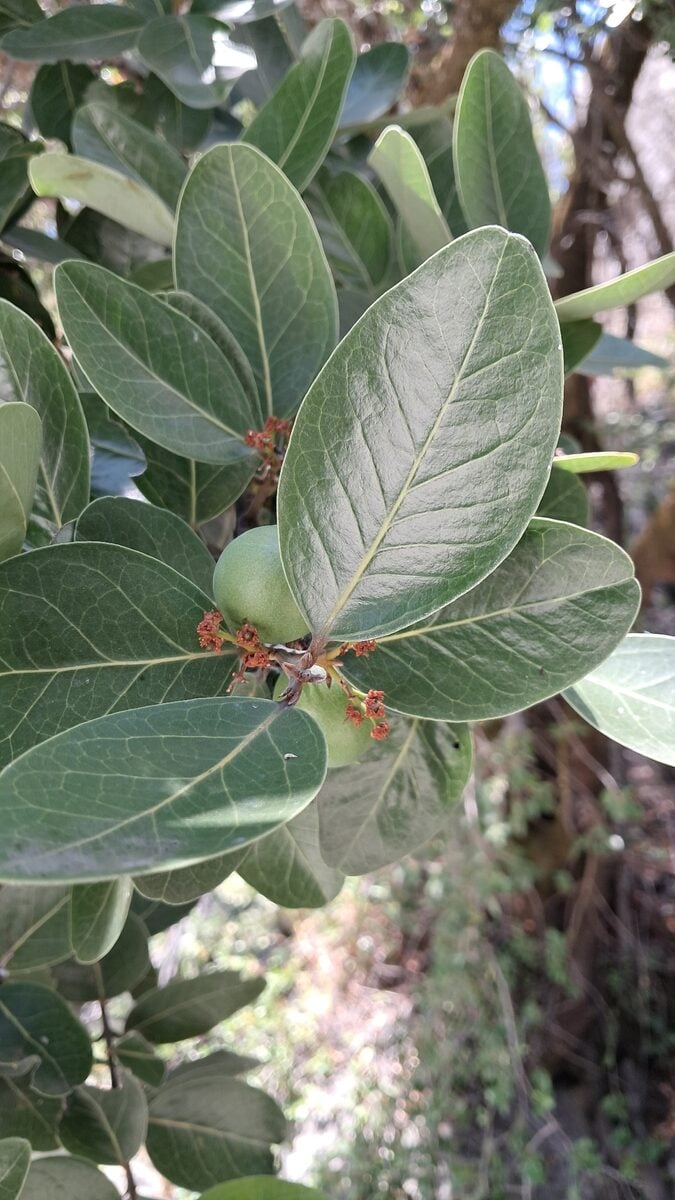
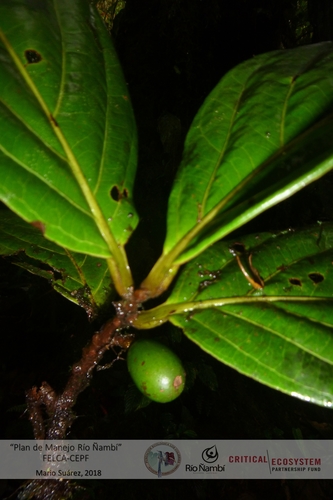
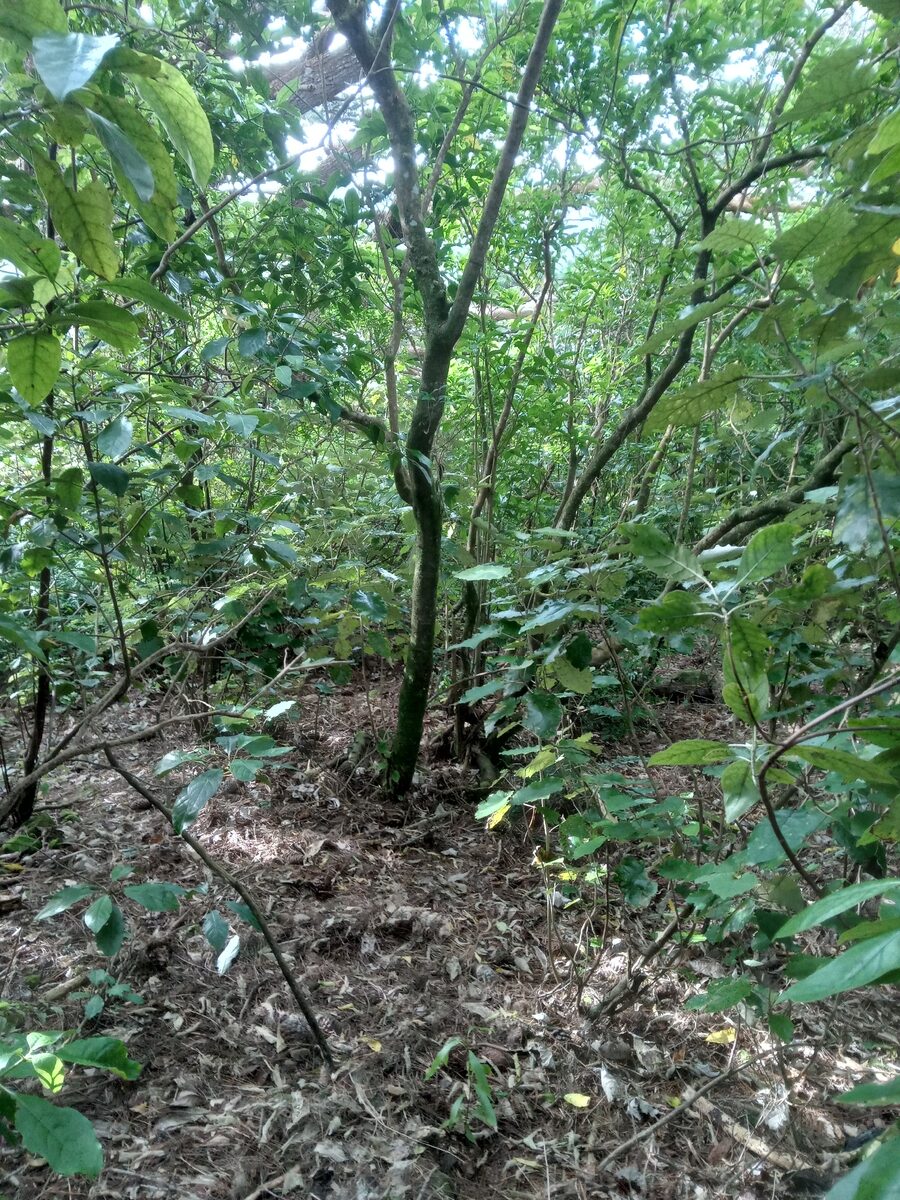
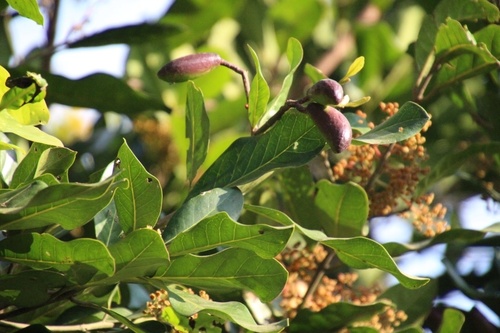
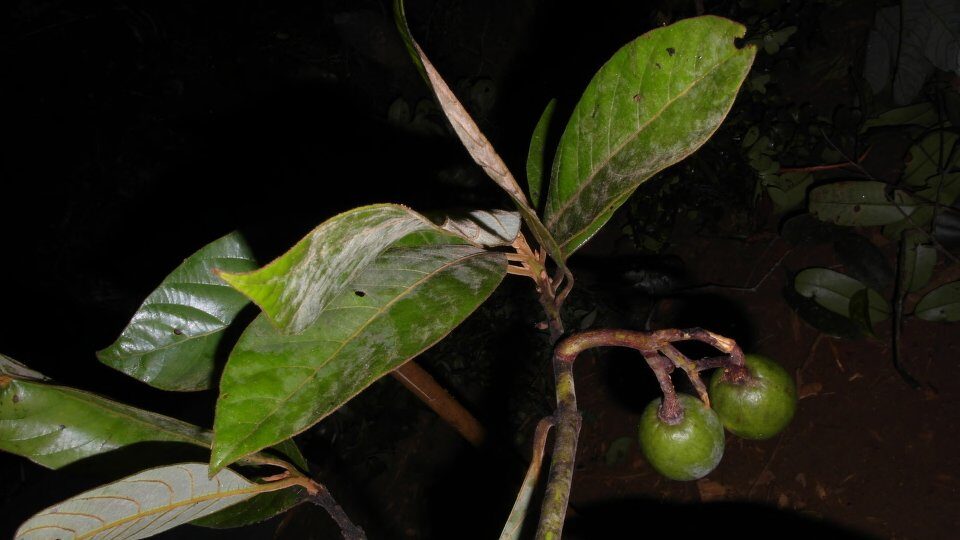
A tree. It grows 9 m tall. It can be 60 m tall. The bark has an aroma and is 2.5-4 cm thick. The leaves are opposite. They are 15 cm long by 8 cm wide. They have 3 main veins. Young leaves are red. The flowers are small and white. The fruit are round and deep red colour. The fruit can have 3-4 brown seeds.
Edible Uses
The bark is finely chopped, boiled, and drunk as a tea with sugar.
Traditional Uses
The bark is used to make a tea drink. It is finely chopped and drunk with sugar. They should be boiled first.
This uses section is brief — help expand it
Distribution
It is a tropical plant. It grows above 450 m above sea level in Fiji.
Where It Grows
Fiji, FSM, Kosrae, Micronesia, Pacific, Palau, Pohnpei,
Synonyms
Also Known As
Caroline island cinnamon, Macou, Macouvu, Madeu, Mahsro, Mattieu, Pohnpeian cinnamon
References (4)
- Etoh, T. & Sundaresan, 1985, Food Plants in Fiji and Their Utilization. Kagoshima Univ. Res. Center S. Pac, Occasional Papers, No. 5. p. 145-164.
- Kanehira, R., 1931, An enumaration of the woody plants collected in Micronesia, Japanese Mandate (in 1929 and 1930). The Botany Magazine. Vol. XLV, No. 53 p 280 (As Cinnamomum carolinense)
- Kuhnlein, H. V., et al, 2009, Indigenous Peoples' food systems. FAO Rome p 120 (As Cinnamomum carolinense)
- www.manoa.hawaii.edu/botany/plants of micronesia. People and Plants of Micronesia (As Cinnamomum carolinense)