Amelanchier utahensis
Koehne
Utah serviceberry
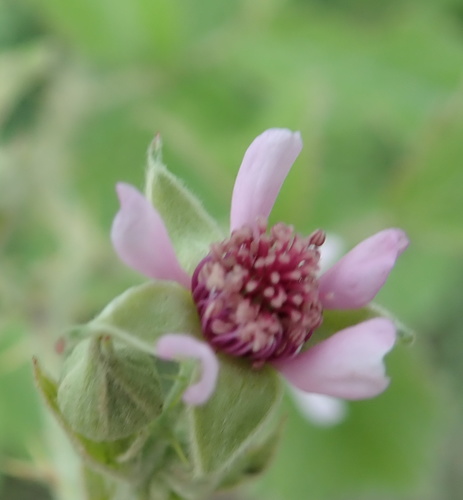
iNaturalist· cc-by-nc
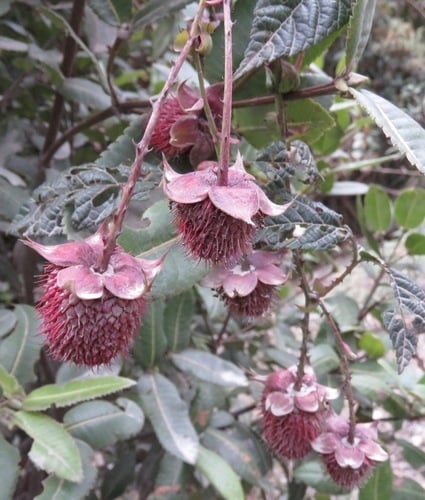
(c) Steve Ganley, some rights reserved (CC BY-NC), uploaded by Steve Ganley
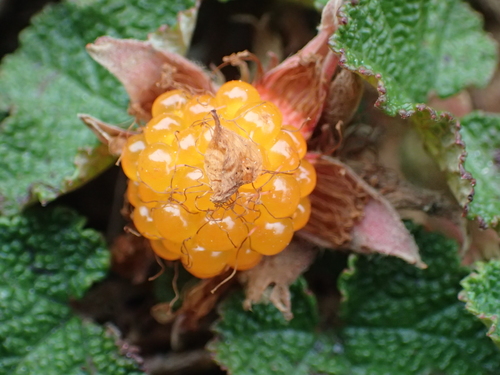
iNaturalist· cc-by-nc
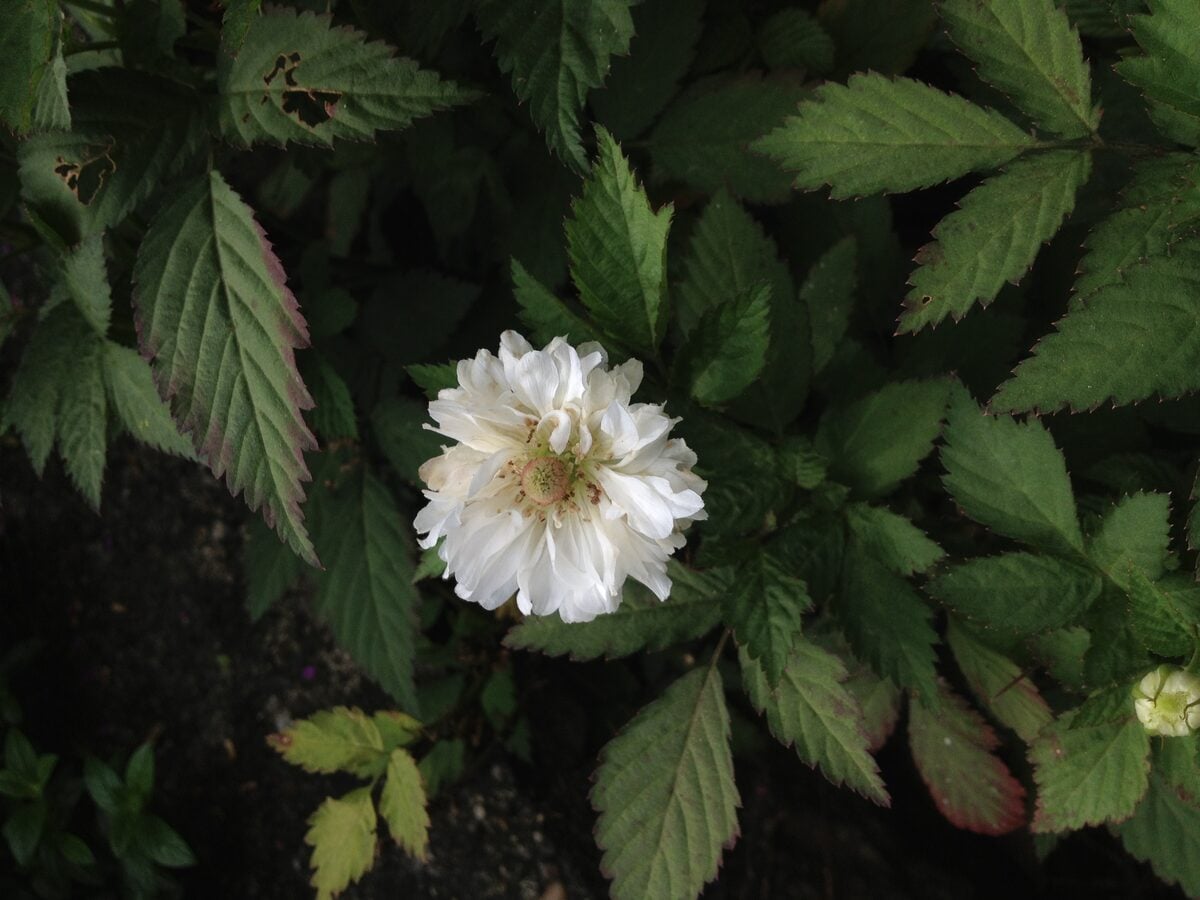
(c) Dayan J Anderson, some rights reserved (CC BY-NC), uploaded by Dayan J Anderson
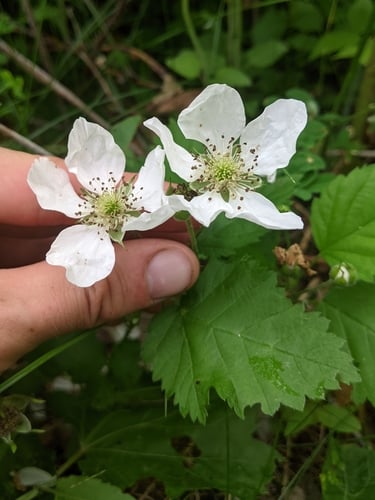
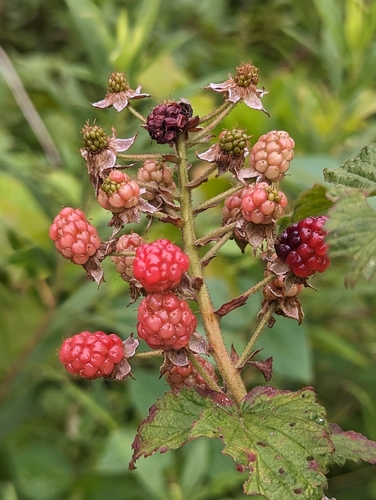
iNaturalist· cc-by-nc
(c) Mark Fishbein, some rights reserved (CC BY-NC), uploaded by Mark Fishbein
Summary
Source: WikipediaAmelanchier utahensis, the Utah serviceberry, is a species of serviceberry forming a shrub or small tree. It is native to western North America.
Description
A shrub. It grows to 5 m tall and spreads 3.5 m wide. The leaves have wedge shaped bases. The flowers are white. Fruit are produced in clusters and are 10 mm across.
Edible Uses
The fruits (pomes) are edible raw or cooked, though quality varies. At their best they are sweet with an apple-like flavour carrying hints of grape and almond, making them well suited to fresh eating or use in pies, jellies, desserts, and preserves. Some fruits, however, can be bland, dry, or develop a firm, apple-core-like texture. Fruits typically ripen from June to August depending on elevation and rainfall, passing through green, pink, red, and finally dark purple stages, though colour is not always a reliable ripeness indicator — yellow and tan forms also occur. Repeated harvests from the same shrub are often possible as fruits ripen gradually. Seeds make up a large portion of the fruit, giving them a chewy quality. Healthy fruits are high in pectin and suitable for jellies, but diseased fruit is common — this species is particularly prone to orange rust fungus, which can affect entire populations, so each berry should be inspected carefully before eating. Only the fruits are edible; other parts of the plant contain cyanogenic compounds (prunasin) and should not be consumed. The fruit can also be dried and used as a raisin substitute. It is produced in small clusters, reaches about 10mm in diameter, and is rich in iron and copper.
Traditional Uses
The fruit are dried and ground up with dried meat to make pemmican. The fruit are also eaten raw or stewed and are used in pancakes, jams, jellies and wine. Fried fruit are added to soups and stews.
Medicinal Uses
An infusion of the inner bark is used to treat snow-blindness. The plant has also been used to ease childbirth during labour and delivery.
Known Hazards
Parts of the plant other than the fruit contain cyanogenic compounds (prunasin) and should not be eaten.
Distribution
It is a temperate plant. It suits hardiness zones 5-9.
Where It Grows
Australia, North America, USA,
Cultivation
Found across a wide elevational range, from blackbrush deserts up through oak, juniper, pine, and spruce woodlands. Common in foothills, mountain slopes, canyons, and mixed shrublands. Prefers a rich loamy soil in a sunny position or semi-shade but thrives in any soil that is not water-logged. Grows well in heavy clay soils. Tolerates dry soils. All members of this genus have edible fruits and, whilst this is dry and uninteresting in some species, in many others it is sweet and juicy. Many of the species have potential for use in the garden as edible ornamentals. The main draw-back to this genus is that birds adore the fruit and will often completely strip a tree before it is fully ripe. This species is closely related to A. alnifolia. Hybridizes freely with other members of this genus. Grafting onto seedlings of A. lamarckii or Sorbus aucuparia is sometimes practised in order to avoid the potential problem of hybridizing. Hardy in zones 3–8. Tolerates cold winters and a wide range of elevations. Drought-tolerant once established but benefits from seasonal moisture. Blooms in spring; fruits persist into late summer or autumn, sometimes dropping quickly after ripening.
Propagation
Seed is best harvested green, when fully formed but before the seed coat has hardened, then sown immediately in pots outdoors or in a cold frame. Stored seed obtained early in autumn can be given 4 weeks of warm stratification before being left out over winter, and should germinate in spring. Otherwise germination can be very slow, potentially taking 18 months or more. When seedlings are large enough to handle, prick them out into individual pots and grow on in a sheltered outdoor position, planting out once they reach 20cm or more. Where seed is plentiful, sow thinly in an outdoor seedbed and grow on for two years before moving to permanent positions during winter. Layering in spring takes around 18 months. Suckers can be divided in late winter, but they need to have been growing for 2 years beforehand to have developed roots. Once rooted, they can be planted directly into permanent positions.
Other Uses
The wood is heavy, hard, and strong. Its hardness makes it suitable for use as the spindle of a fire drill, and it has been used to make basket rims. Trees are seldom large enough to be of commercial interest.
Synonyms
Also Known As
Amelanchier utahensis (Utah Serviceberry).
References (11)
- Beckstrom-Sternberg, Stephen M., and James A. Duke. "The Foodplant Database." http://probe.nalusda.gov:8300/cgi-bin/browse/foodplantdb.(ACEDB version 4.0 - data version July 1994) (As Amelanchier prunifolia)
- Cundall, P., (ed.), 2004, Gardening Australia: flora: the gardener's bible. ABC Books. p 146 (As Amelanchier utahensis)
- Facciola, S., 1998, Cornucopia 2: a Source Book of Edible Plants. Kampong Publications, p 193 (As Amelanchier utahensis)
- Gatt. Pomac. 25. 1890 (As Amelanchier utahensis)
- http://en.hortipedia.com
Show all 11 references Hide references
- Kermath, B. M., et al, 2014, Food Plants in the Americas: A survey of the domesticated, cultivated and wild plants used for Human food in North, Central and South America and the Caribbean. On line draft. p 57
- Lambert,S., 2005, Guide to the Seeds of Native and Non-Native Grasses, Forbs and Shrubs of the Great Basin, Idaho BLM Technical Bulletin 2005-04 p 71
- NYBG Herbarium "edible"
- Plants for a Future database, The Field, Penpol, Lostwithiel, Cornwall, PL22 0NG, UK. http://www.scs.leeds.ac.uk/pfaf/. (As Amelanchier utahensis)
- Reis, S. V. and Lipp, F. L., 1982, New Plant Sources for Drugs and Foods from the New York Botanical Garden herbarium. Harvard. p 96
- World Checklist of Useful Plant Species 2020. Royal Botanic Gardens, Kew