Chlorophytum laxum
R. Br.
Bichetii grass, Siam lily
iNaturalist· cc-by
(c) Shami Narayanan, some rights reserved (CC BY), uploaded by Shami Narayanan
iNaturalist· cc-by-nc
(c) atwebb, some rights reserved (CC BY-NC)
iNaturalist· cc-by-nc
(c) atwebb, some rights reserved (CC BY-NC)
Summary
Source: WikipediaChlorophytum laxum (Bichetii grass, Siam lily, false lily turf, wheat plant) is a flowering plant species in the genus Chlorophytum, widespread through tropical Africa, Asia, and Australia.
Description
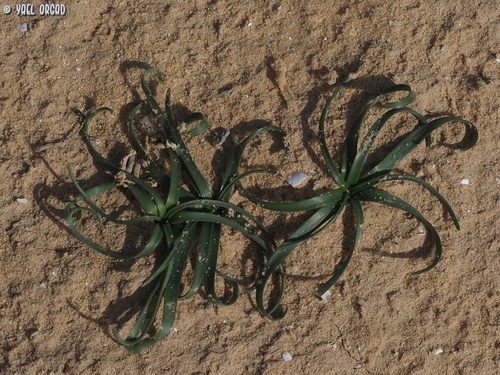
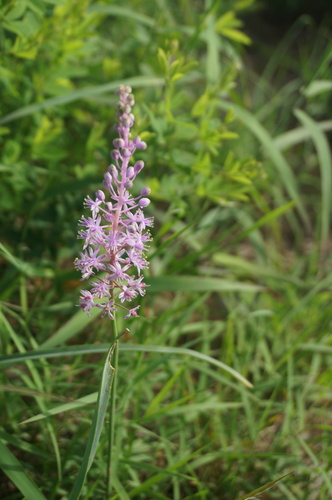
A grass-like plant. It forms a ground cover. It grows 10 cm tall. The roots have tuberous swellings. These are 2-4 cm long by 1 mm wide. The leaves are 10-25 cm long by 0.8 cm wide. The flower stalks are 10-20 cm long with 2 flowers are the nodes.
Edible Uses
The tubers are cooked and eaten. The leaves and roots are also edible portions.
Traditional Uses
The tubers are cooked and eaten.
This uses section is brief — help expand it
Medicinal Uses
The plant is used as medicine.
Distribution
A tropical plant. It often occurs on the top of hills.
Where It Grows
Africa, Asia, Australia, India, Middle East, Oman,
Cultivation
Chlorophytum species require a frost free climate, and can succeed from the subtropical zone to the tropics, in moist to humid climates. Species in this genus seem to be adapted to a wide range of conditions in cultivation, though they are generally found in soils rich in organic matter and can succeed in full sun or in shade. The flowers only open in bright sunshine.
Other Information
Famine food
Notes
There are between 100-150-215 Chlorophytum species. They are mostly in the tropics. Also put in the family Anthericaceae and Liliaceae. It is used as medicine.
Synonyms
Also Known As
Nelatengu
References (4)
- Kumar, G.M., & Shiddamallayya, N., 2014, Documentation of Wild Plant Tubers as Food Resources in Hassan District, Karnataka, International Journal of Applied Biology and Pharmaceutical Technology. 5(2) p 90
- Miller, A. G., Morris, M. & Stuart-Smith, S., 1988, Plants of Dhofar. The Southern Region of Oman, Traditional, Economic and Medicinal Uses. Sultanate of Oman. p 186
- Singh, H.B., Arora R.K.,1978, Wild edible Plants of India. Indian Council of Agricultural Research, New Delhi. p 39 (As Chlorophytum parviflorum)
- WATT, (As Chlorophytum parviflorum)