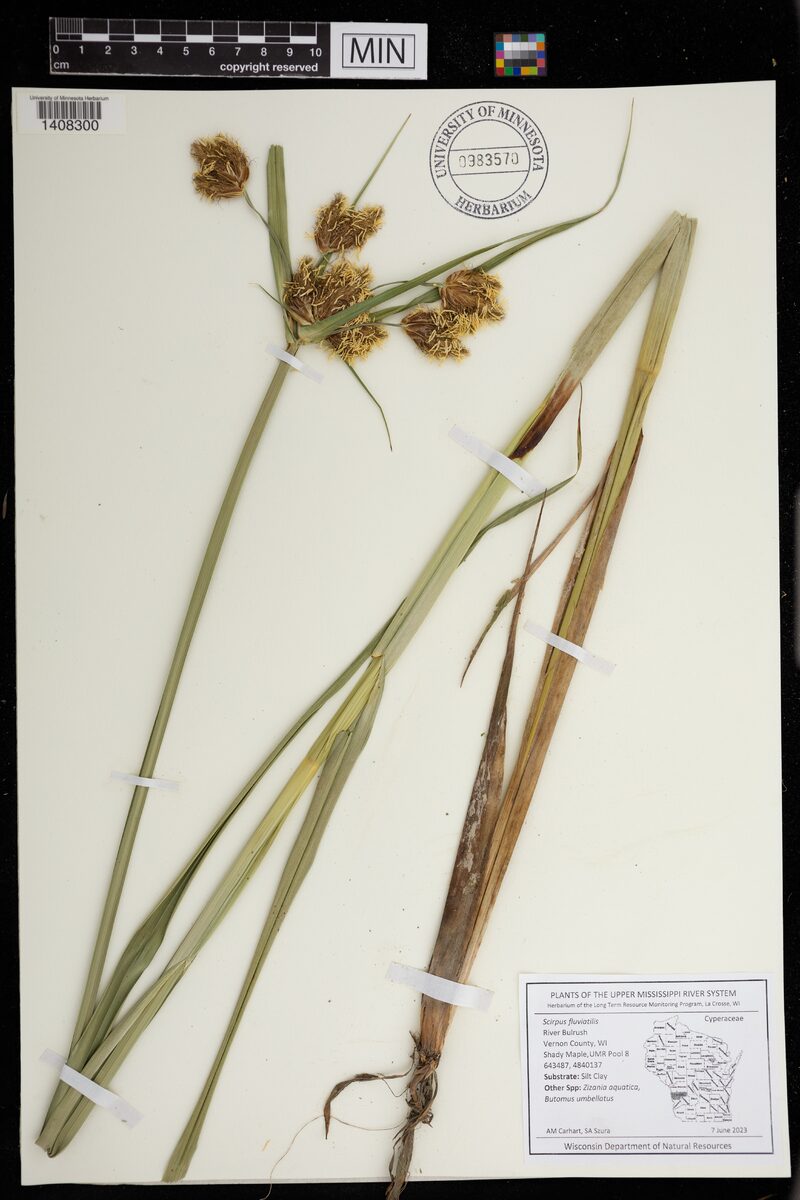
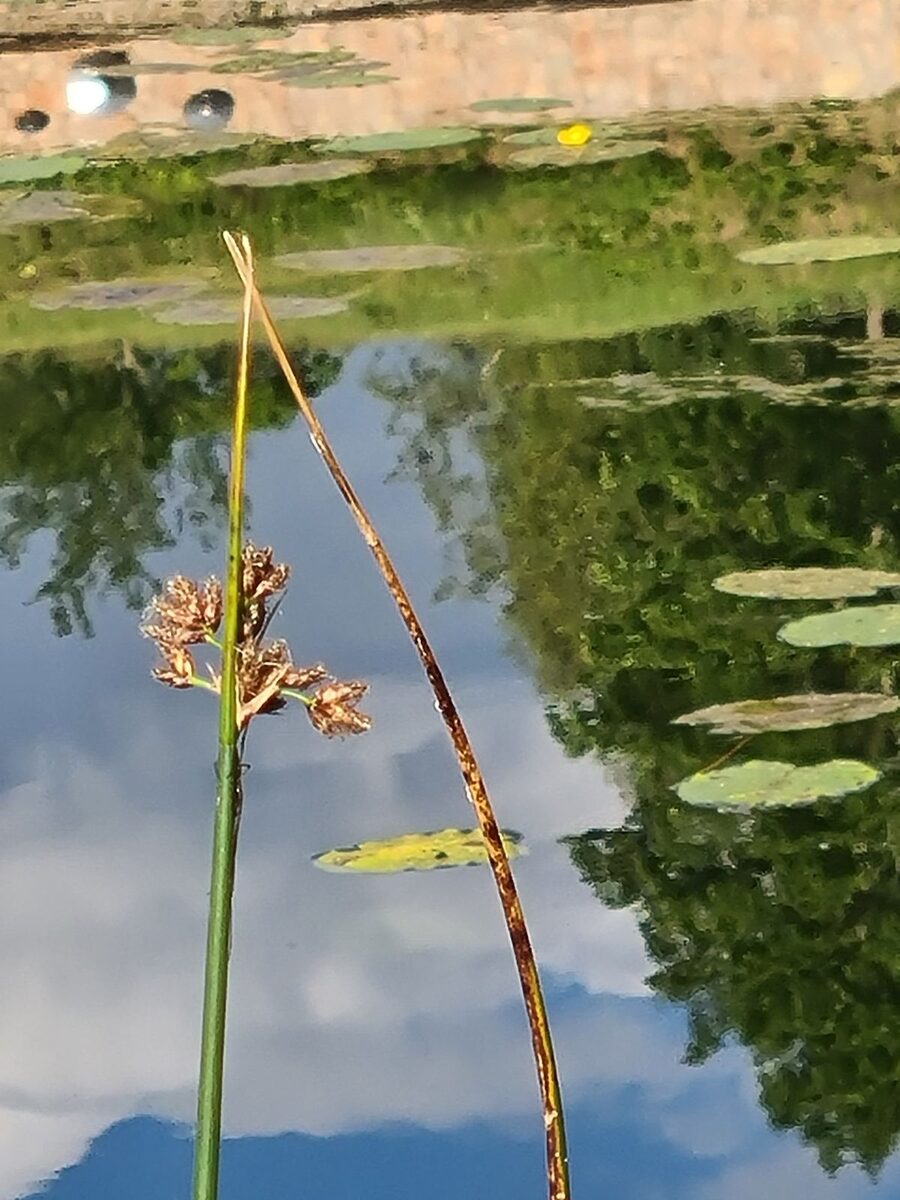
Schoenoplectiella mucronata
(L.) J. Jung & H. K. Choi
Bog bulrush, Rice bulrush
iNaturalist· cc0
no rights reserved, uploaded by 葉子
iNaturalist· cc-by-nc
(c) Piotr Kobierski, some rights reserved (CC BY-NC)
iNaturalist· cc-by-nc
(c) Piotr Kobierski, some rights reserved (CC BY-NC)
Summary
Source: WikipediaSchoenoplectiella mucronata is a species of flowering plant in the sedge family known by the common names bog bulrush, rough-seed bulrush, and ricefield bulrush.
Description
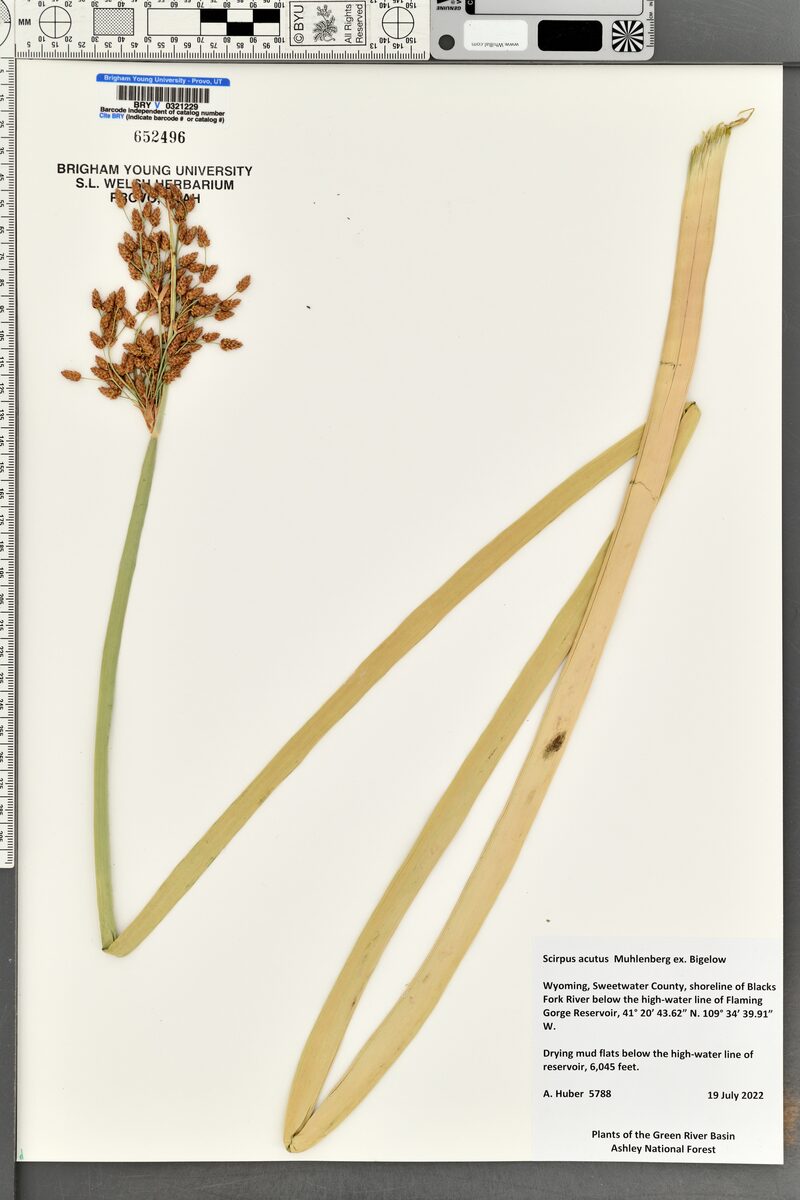
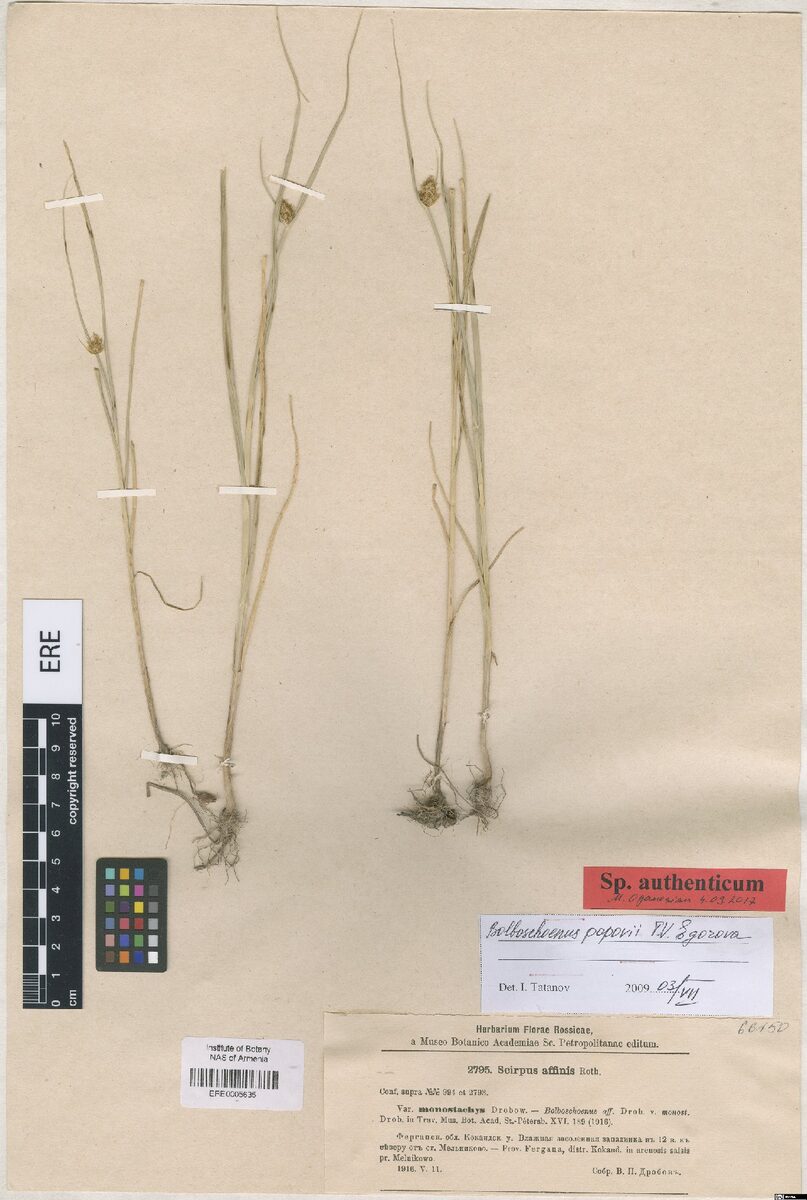
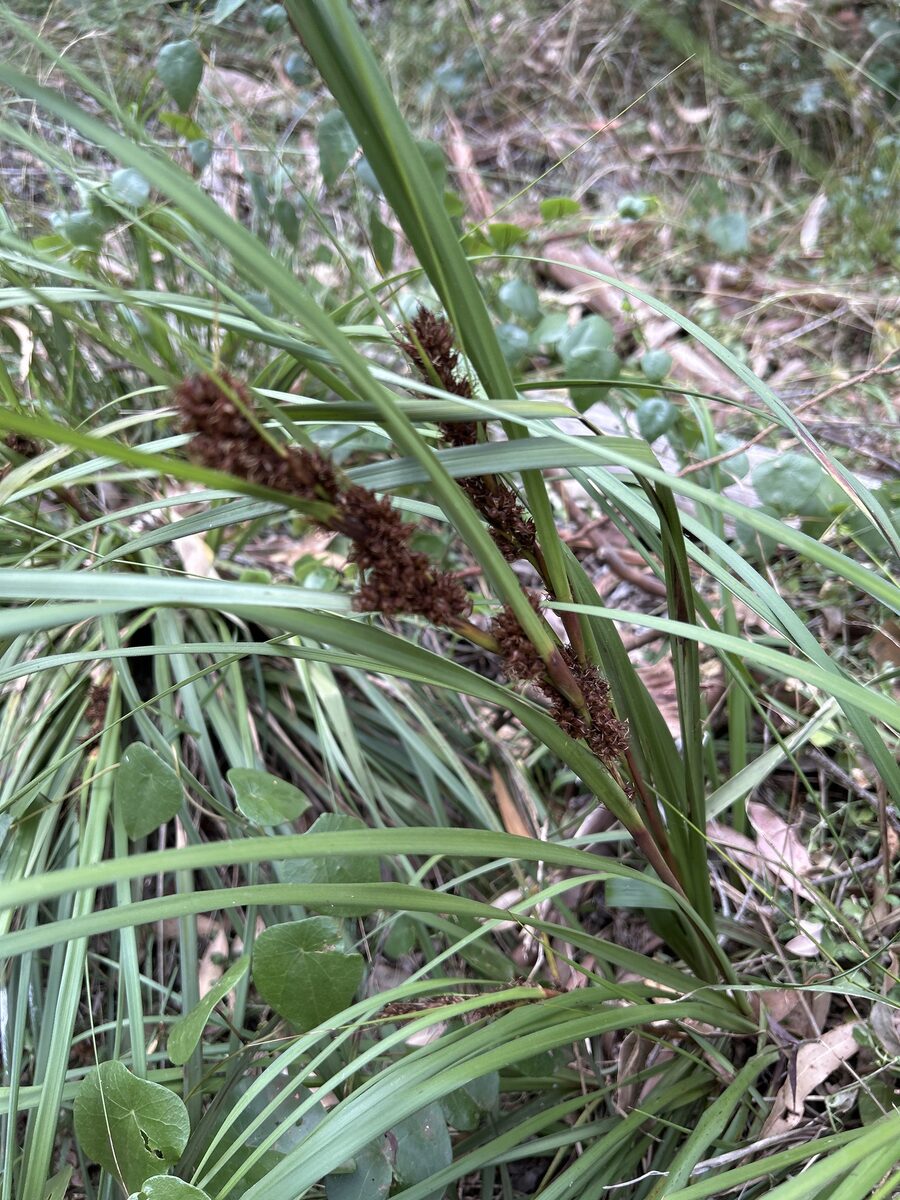
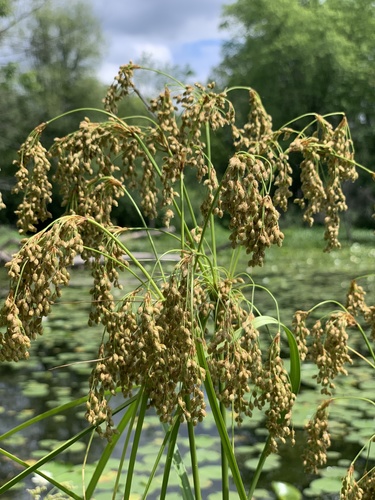
A sedge. The stems are 100 cm long and 2-8 mm wide. It has horizontal rhizomes. The leaves are reduced to a sheath 4-15 cm long. The flowers are in a dense head-like cluster of 4-25 spikelets.
Edible Uses
The rhizome and root are edible.
Medicinal Uses
In China the plant is used medicinally to release heat, clear the eyes, and relieve coughing.
Distribution
It is a tropical, subtropical and warm temperate plant.
Where It Grows
Africa, Asia, Australia, Central Asia, East Africa, Indonesia, Japan, Madagascar, North America, Pacific, SE Asia, South America, Tajikistan, USA, West Papua,
Cultivation
It can be grown by seeds or division of old clumps.
Propagation
Propagate by seed or division.
Other Uses
Used in constructed wetlands. Dried stems are woven into various products or used as string; in Madagascar stems are made into hats, and in South-East Asia they are used to produce string, mats, sacks, and bags. The plant has ornamental foliage, tolerates waterlogged soils, and is suitable for pond, lake, river, marsh, bog, and water garden settings. Birds feed on the seeds. The plant is also used as an industrial biomass crop providing materials, chemicals, and energy.
Synonyms
Also Known As
Castanhol
References (2)
- Milliken, W., 2000, Ethnobotany of the Yali of West Papua. Royal Botanical Garden, Edinburgh. p 10 (As Schoenoplectus mucronatus) (near Baliem)
- World Checklist of Useful Plant Species 2020. Royal Botanic Gardens, Kew