Tarennoidea wallichii
(Hook.f.) Turveng. & Sastre
iNaturalist· cc-by-nc
(c) narido, some rights reserved (CC BY-NC)
iNaturalist· cc-by-nc
(c) tsailw, some rights reserved (CC BY-NC)
iNaturalist· cc-by-nc
(c) tsailw, some rights reserved (CC BY-NC)
Description
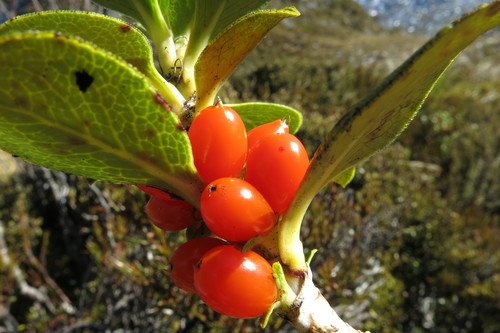
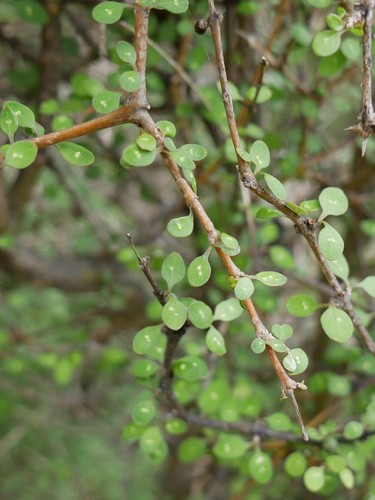
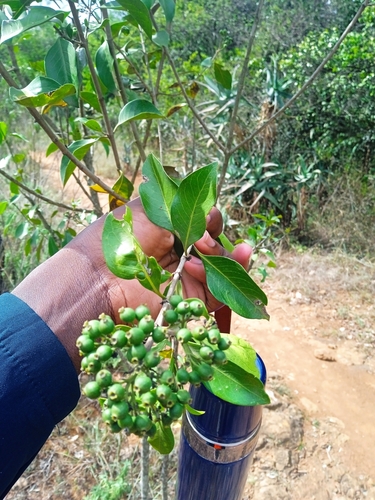
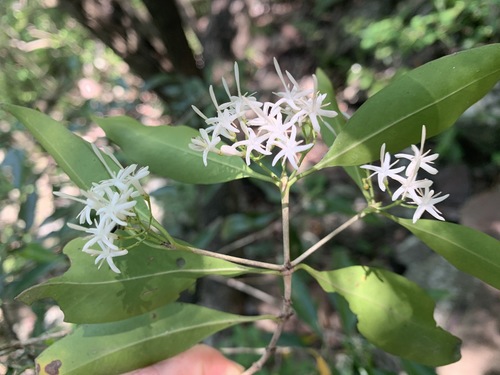
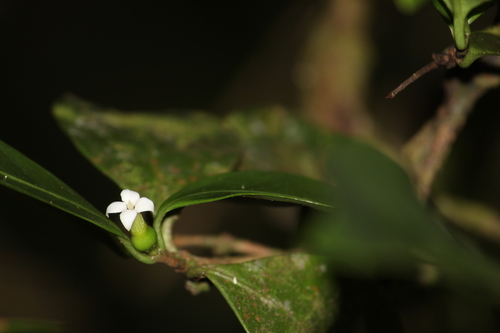
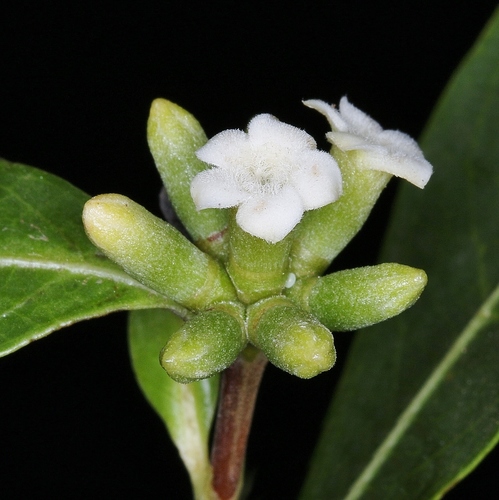
A tree. It grows 3-20 m tall. The branches are stout, angled and with wrinkled, cracked bark. The leaves are 7-30 cm long by 3-9 cm wide. They are hairy underneath. The flowering groups are 4-12 cm long by 8-13 cm wide. The flowers are yellow or white. The fruit is an oval berry. It is 7-18 mm across.
Edible Uses
The ripe fruit are eaten.
Traditional Uses
The ripe fruit are eaten.
This uses section is brief — help expand it
Distribution
It is a tropical plant. It grows in forests and along streams and on hills and mountain sides between 400-2,200 m above sea level in southern China.
Where It Grows
Asia, Bangladesh, Bhutan, Cambodia, China, Himalayas, India, Indochina, Indonesia, Malaysia, Myanmar, Nepal, Northeastern India, Philippines, SE Asia, Thailand, Vietnam,
Synonyms
Also Known As
Sa-phut
References (1)
- Kar, A., et al, 2013, Wild Edible Plant Resources used by the Mizos of Mizoram, India. Kathmandu University Journal of Science, Engineering and Technology. Vol. 9, No. 1, July, 2013, 106-126 (As Randia wallichii)