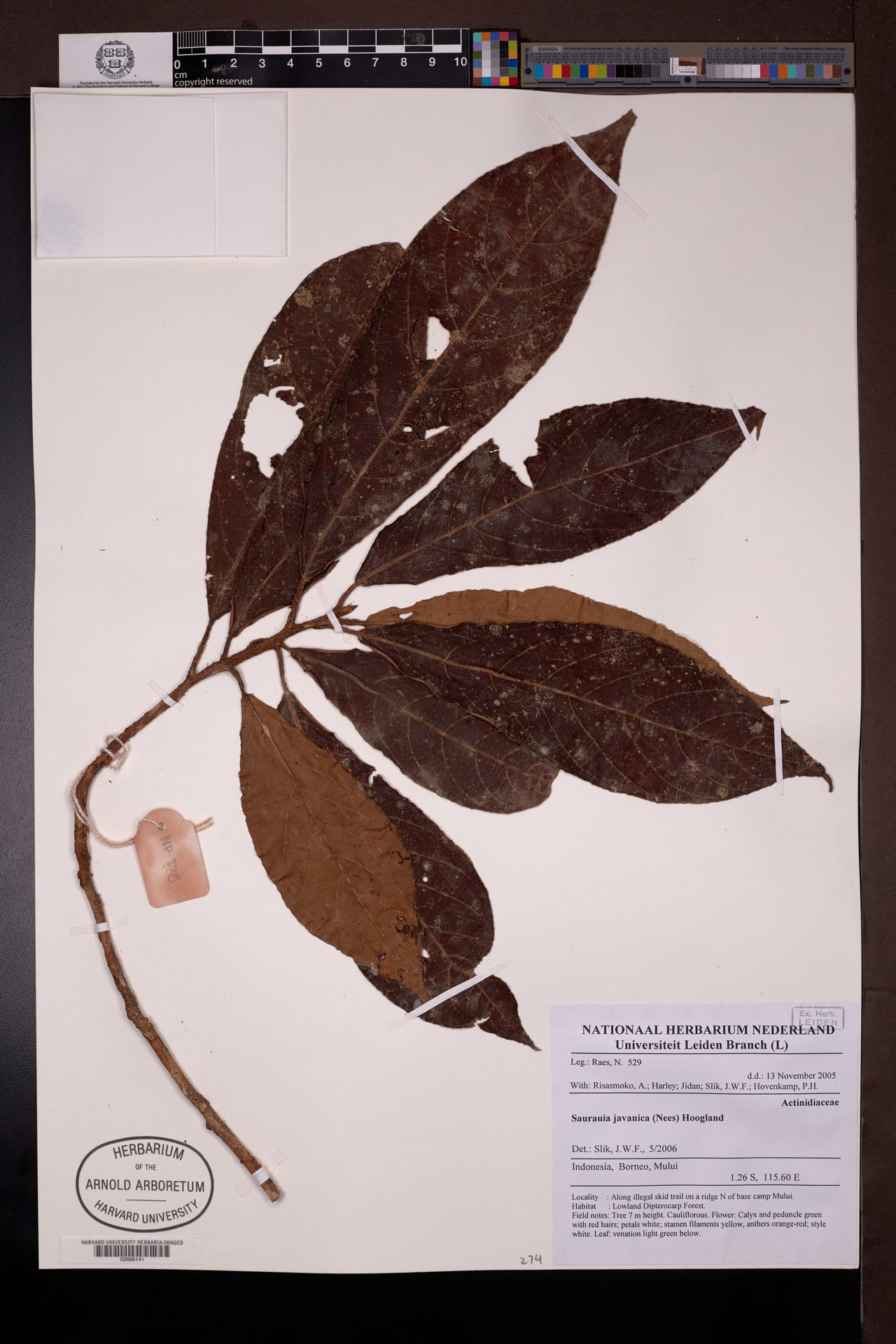
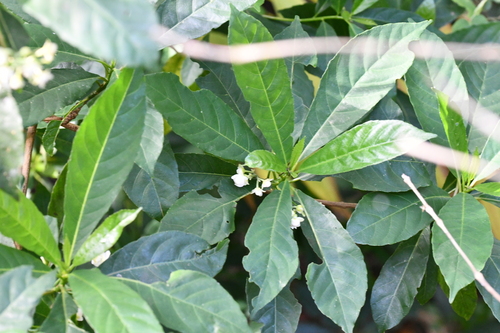
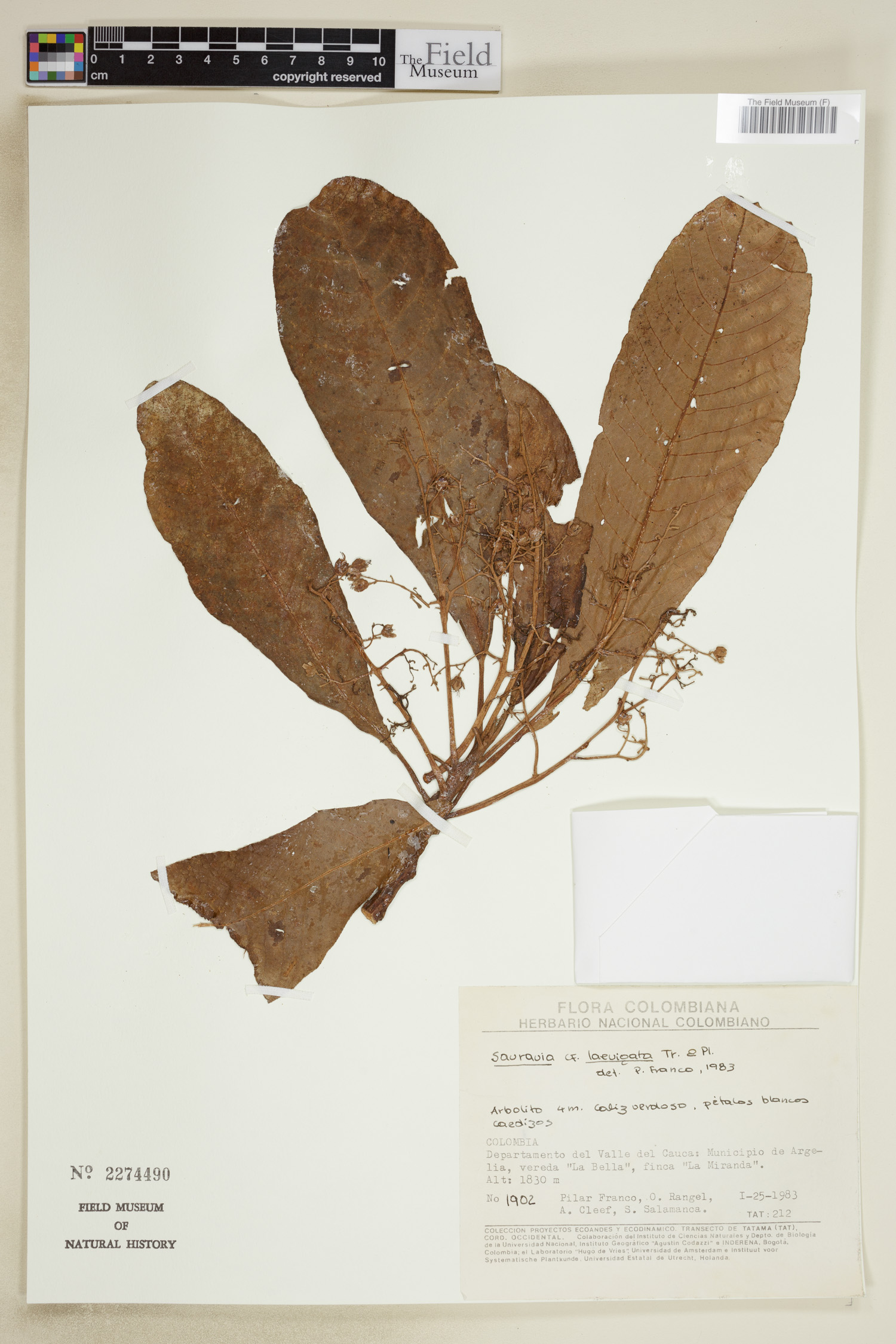
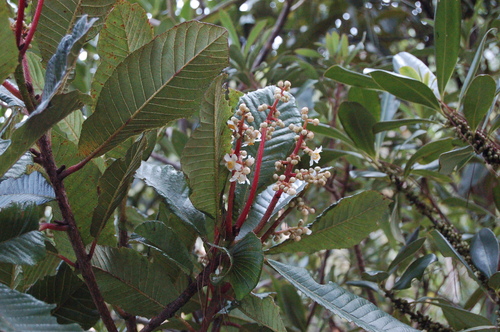
Saurauia tomentosa
(Kunth) Spreng.
Tomentose saurauia
iNaturalist· cc-by-nc
(c) Holger Beck, some rights reserved (CC BY-NC), uploaded by Holger Beck
iNaturalist· cc-by
(c) Skjold Søndergaard, some rights reserved (CC BY)
Description
A tree. It grows 30 m tall. The crown is open. The trunk is long and straight and 40 cm across. The fruit are green berries with a red tinge. They are 15 mm across.
Edible Uses
Fruit - raw or cooked. Sweet and mucilaginous. The green berries often have a purple or maroon tint; globose to ovoid, they are up to 15mm across.
Traditional Uses
Fruit can be eaten raw or cooked.
This uses section is brief — help expand it
Distribution
It is a tropical plant. It grows in wet forests and along wind swept hills. It grows between 2,000-2,800 m above sea level.
Where It Grows
Andes, Colombia, Ecuador, Peru, South America, Venezuela,
Cultivation
Plants can be cut back and will re-grow.
Other Uses
The light brown wood is coarsely fibrous. We have no more information on the wood of this species, but the following is a general description of the wood from species in this genus. The wood is little used, except locally for fuel. It is a pale reddish brown throughout; not attractive; lustre rather low; odourless and tasteless; rather light, but firm, tough, and strong; texture medium; grain straight; easy to cut, saws finely woolly, is rather hairy under the plane; probably not durable. Useful locally for general carpentry and interior construction.
Other Information
Fruit are sold in local markets.
Synonyms
Also Known As
Caton, Cunalulum, Kuna lulun, Moquilo, Tochte
References (8)
- Fern, K., 2012, Tropical Species Database http://theferns.info/tropical/
- Grandtner, M. M. & Chevrette, J., 2013, Dictionary of Trees, Volume 2: South America: Nomenclature, Taxonomy and Ecology. Academic Press p 587
- Kermath, B. M., et al, 2014, Food Plants in the Americas: A survey of the domesticated, cultivated and wild plants used for Human food in North, Central and South America and the Caribbean. On line draft. p 788
- Kew Plants of the World onLine
- Penafield Anchundia, D. D., 2017, Traditional food consumption and its nutritional contribution in Guasaganda, Central Ecuador. PhD Ghent University p 71
Show all 8 references Hide references
- Reis, S. V. and Lipp, F. L., 1982, New Plant Sources for Drugs and Foods from the New York Botanical Garden herbarium. Harvard. p 181
- Roa, J. A. G. & Boada, D. S. G., 2018, Fundación para el Fortalecimiento de la Fruticultura y Plantas Alimenticias no Convencionales en Colombia.
- Torre, de la L., et al, 2008, Enciclopedia de las Plantas Útiles del Ecuador. Herbario QCA. Pontificia Universidad Católica del Ecuador. p 149