Rubus rufus
Focke
iNaturalist· cc-by
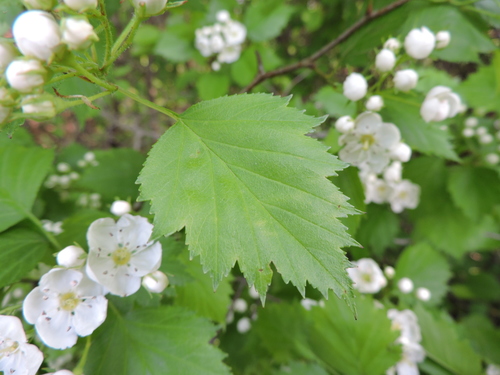
(c) Jacy Chen, some rights reserved (CC BY), uploaded by Jacy Chen
iNaturalist· cc-by-nc
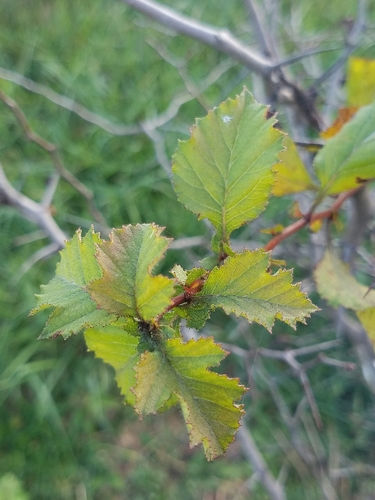
(c) Han-Ting Liu, some rights reserved (CC BY-NC), uploaded by Han-Ting Liu
iNaturalist· cc-by
(c) Jacy Chen, some rights reserved (CC BY), uploaded by Jacy Chen
Description
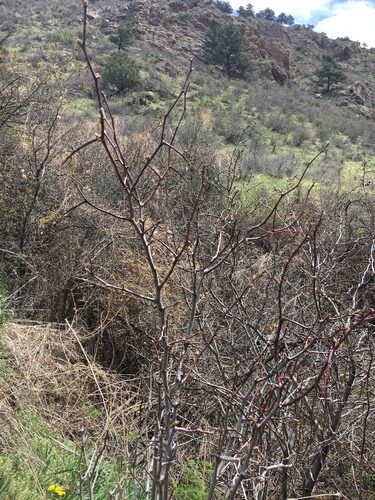
A shrub. It grows 3 m tall. There are a few needle-like prickles. The branches have red-brown hairs. The leaves are simple and lobed and then divided again. The flowers can be in clusters in the axils of leaves. The flowers are 1 cm across. The petals are white. The fruit are aggregate and orange-red.
Edible Uses
The fruits are eaten raw.
Traditional Uses
The fruit are eaten raw.
This uses section is brief — help expand it
Distribution
It is a tropical plant. It grows in valleys near rivers between 900-2,500 m above sea level. In Vietnam it occurs between 800-1,800 m above sea level. It grows in Sichuan and Yunnan in China.
Where It Grows
Asia, China, Indochina, SE Asia, Thailand, Vietnam,
Dangerous Lookalikes
This plant can be confused with the following toxic species. Always verify identification carefully before consuming any wild plant.
Red Baneberry
Actaea rubra
Walter Siegmund (talk)
Rubus rufus
Rubus rufus
(c) Jacy Chen, some rights reserved (CC BY), uploaded by Jacy Chen
Red Baneberry: Short herbaceous plant (no thorns), berries on thick red stems, each berry has a single seed, compound sharply-toothed leaves.
Rubus rufus: Thorny woody canes (brambles), aggregate berry made of many drupelets, berries pull easily from receptacle.
Also Known As
Dum do
References (2)
- Flora of China @ efloras.org Volume 9
- Ghorbani, A., et al, 2012, A comparison of the wild food plant use knowledge of ethnic minorities in Naban River Watershed Nature Reserve, Yunnan, SW China. Journal of Ethnobiology and Ethnomedicine; 8:17