Rhizopogon roseolus
(Corda) Th. Fr.
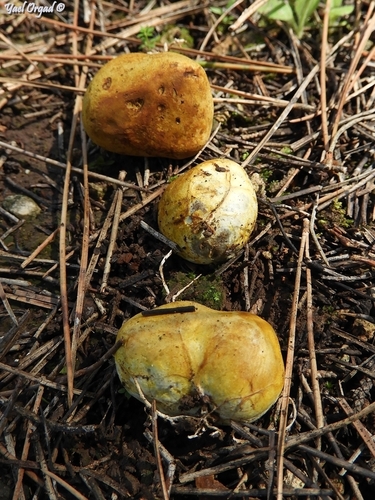
iNaturalist· cc-by-nc
(c) T. Abe Lloyd, some rights reserved (CC BY-NC), uploaded by T. Abe Lloyd
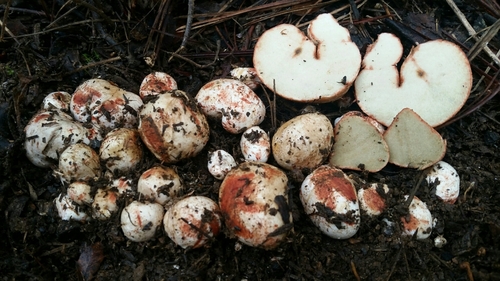
iNaturalist· cc-by-nc
(c) Cándido Sos, some rights reserved (CC BY-NC), uploaded by Cándido Sos
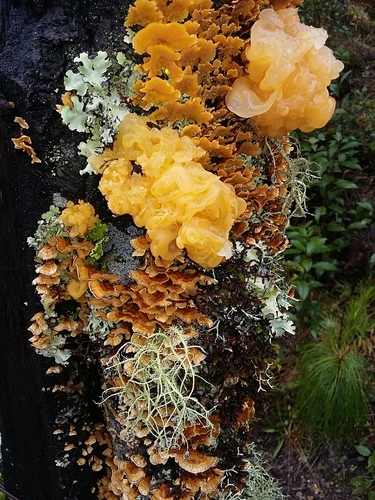
iNaturalist· cc-by-nc
(c) fotis-samaritakis, some rights reserved (CC BY-NC), uploaded by fotis-samaritakis
Summary
Source: WikipediaRhizopogon roseolus, shōro (Japanese: 松露/ショウロ), is a species of ectomycorrhizal fungus. It is considered a delicacy in Japan.
Description
A mushroom.
This description is brief — help expand it
Edible Uses
It is considered a delicacy in Japan, where it is known as shōro. Immature fruiting bodies that are still pure white inside are considered the best, and they are commonly called komeshōro (米松露/コメショウロ). After washing thoroughly with a diluted salt solution to remove debris, it is generally used as a vegetable for soup, grilled with salt, and as an ingredient in chawanmushi. Techniques for the commercial cultivation of this fungus in pine plantations have been developed and applied with successful results in Japan and New Zealand. The fungus is used as a soil inoculant in agriculture and horticulture.
Distribution
It is a temperate climate plant.
Where It Grows
Europe, Russia, South America, Turkey, Türkiye, Uruguay,
References (2)
- Akata, I., et al, 2012, Chemical Composition and Antioxidant Activities of 16 Wild Edible Mushroom Species Grown in Anatolia. International Journal of Pharmacology 8(2): 134-138
- Boa, E. R., 2004, Wild edible fungi and their importance to people. FAO Non Wood Forest Products Booklet 17