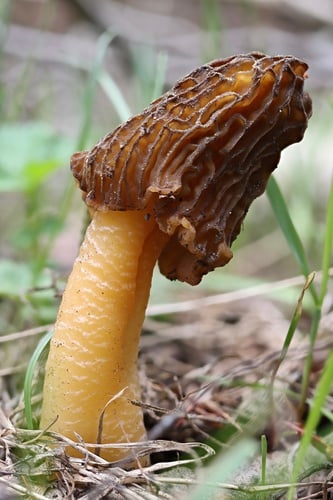
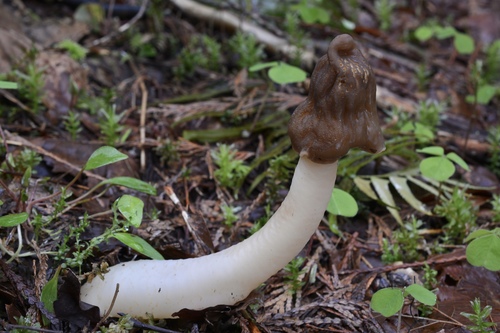
Morchella esculenta var. rotunda
(Pers.) Pers.
iNaturalist· cc-by-nc-sa
(c) k_eper, some rights reserved (CC BY-NC-SA)
iNaturalist· cc-by-nc
(c) Nicolò Oppicelli, some rights reserved (CC BY-NC), uploaded by Nicolò Oppicelli
iNaturalist· cc-by-nc
(c) Nicolò Oppicelli, some rights reserved (CC BY-NC), uploaded by Nicolò Oppicelli
Summary
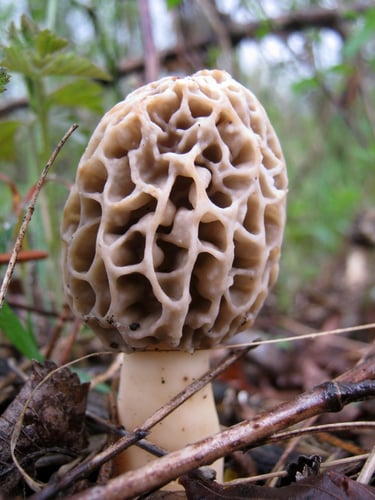
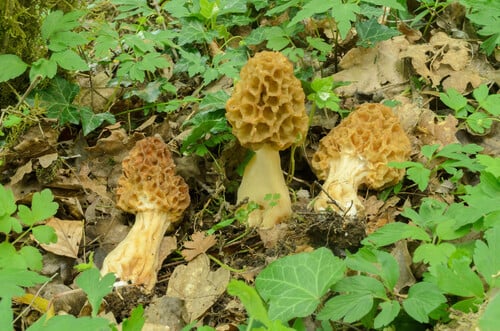
Source: WikipediaMorchella esculenta (commonly known as common morel, morel, yellow morel, true morel, morel mushroom, and sponge morel) is a species of fungus in the family Morchellaceae of the Ascomycota. Each fruit body begins as a tightly compressed, grayish sponge with lighter ridges, and expands to form a large yellowish sponge with large pits and ridges raised on a large white stem. The pitted yellow-brown caps measure 2–7 centimetres (1–3 inches) broad by 2–10 cm (1–4 in) tall, and are fused to the stem at its lower margin, forming a continuous hollow. The pits are rounded and irregularly arranged. The hollow stem is typically 2–9 cm (1–3+1⁄2 in) long by 2–5 cm (1–2 in) thick, and white to yellow. The fungus fruits under hardwoods and conifers during a short period in the spring, depending on the weather, and is also associated with old orchards, woods and disturbed grounds. It is one of the most readily recognized of all the edible mushrooms and highly sought after.
Description
A fungal fruiting body in the family Morchellaceae found in temperate to tropical regions.
This description is brief — help expand it
Edible Uses
The mushroom fruiting body is edible.
Medicinal Uses
In Jammu and Kashmir wild mushrooms, locally known as Himalayan wild mushroom, Gucchi, Morchella conica and M. esculenta, are gathered and supplied as medical remedy.
Distribution
It is a temperate to tropical plant.
Where It Grows
Asia, China, Central America, Costa Rica, Europe, Turkey, Türkiye,
Notes
They have also been put in the family Agaricaceae.
Dangerous Lookalikes
This plant can be confused with the following toxic species. Always verify identification carefully before consuming any wild plant.
False Morel
Gyromitra esculenta
Unknown
Morchella esculenta var. rotunda
Morchella esculenta var. rotunda
(c) k_eper, some rights reserved (CC BY-NC-SA)
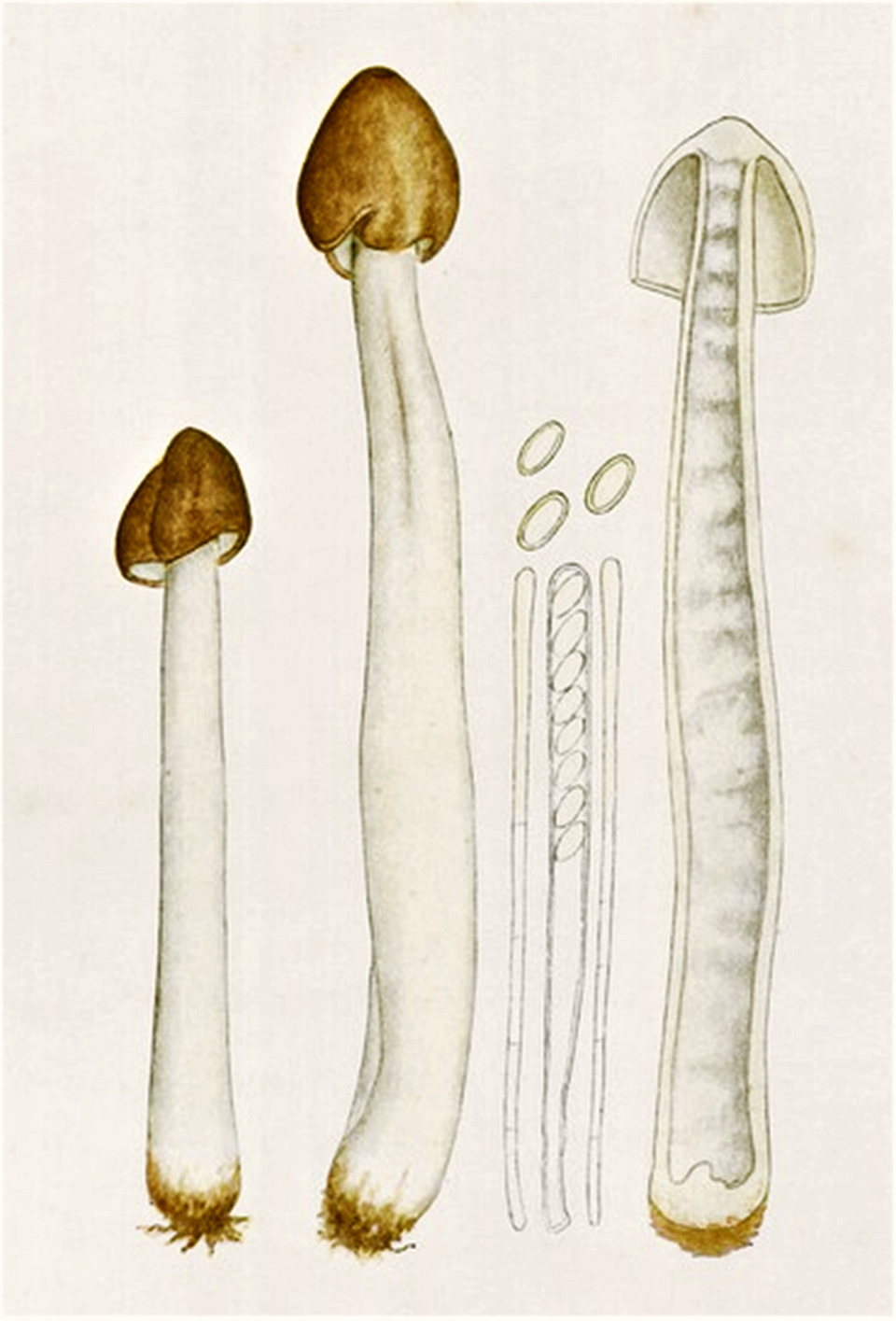
False Morel: Irregular brain-like wrinkles/folds, chambered or solid inside (not hollow), cap often hangs free from stem.
Morchella esculenta var. rotunda: Regular honeycomb/pitted pattern on cap, completely hollow inside, cap attached directly to stem.
References (2)
- Boa, E. R., 2004, Wild edible fungi and their importance to people. FAO Non Wood Forest Products Booklet 17
- Hall, I. R., et al, 2003, Edible and Poisonous Mushrooms of the World. Timber Press. p 315