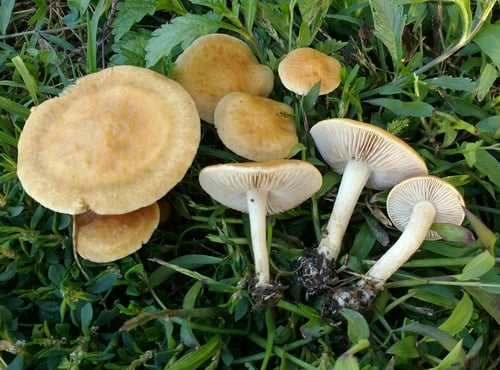
Conocybe apala
(Fr.) Arnolds
White dunce cap
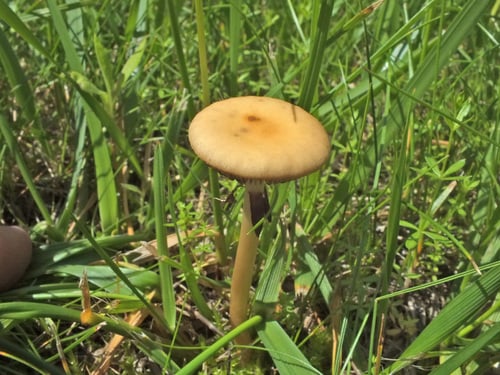
iNaturalist· cc-by-nc
(c) maricel patino, some rights reserved (CC BY-NC), uploaded by maricel patino
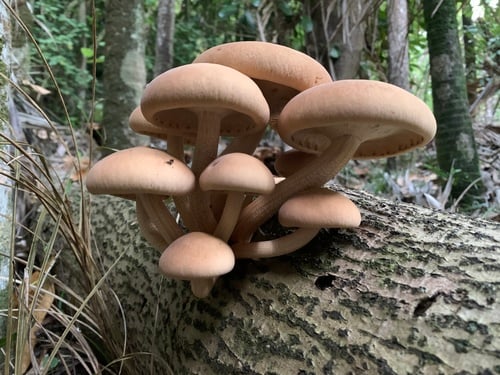
iNaturalist· cc-by-nc
(c) excited-axolotl, some rights reserved (CC BY-NC)
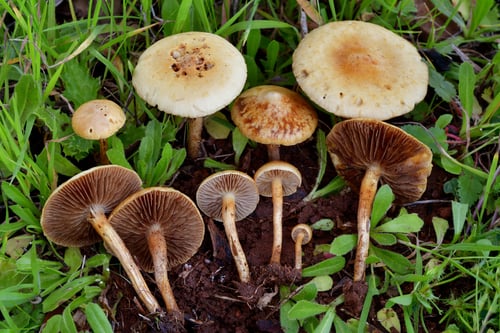
iNaturalist· cc-by-nc
(c) Christian Schwarz, some rights reserved (CC BY-NC), uploaded by Christian Schwarz
Summary
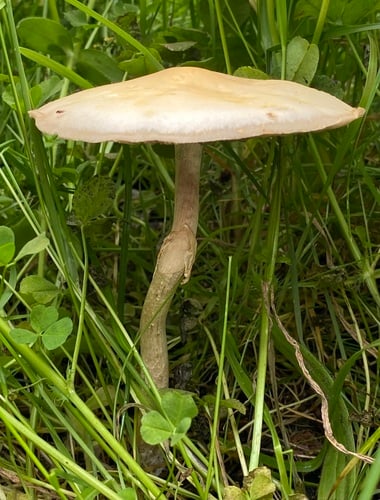
Source: WikipediaConocybe apala is a basidiomycete fungus belonging to the genus Conocybe. The species has been taxonomically reclassified a number of times. Until recently, it was also commonly called Conocybe lactea or Conocybe albipes and is colloquially known as the white dunce cap or the milky conecap. It is a fairly common fungus, both in North America and Europe, found growing among short green grass.
Description
A small mushroom in the family Bolbitiaceae that grows in areas with rich soil and short grass.
This description is brief — help expand it
Traditional Uses
Probably poisonous.
This uses section is brief — help expand it
Known Hazards
This species is poisonous and should not be eaten.
Distribution
It grows in areas with rich soil and short grass.
Where It Grows
Asia, Europe, Himalayas, Nepal, North America,
Synonyms
References (2)
- Dongol, et al, 1995, Edible Mushrooms in Nepal (As Conocybe lactea)
- Li, H., et al, 2020, Reviewing the world’s edible mushroom species: A new evidence-based classification system. Compr Rev Food Sci Food Saf. 2021;20:1982–2014.