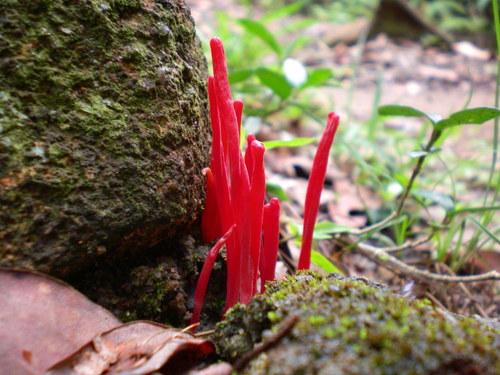
Clavulinopsis fusiformis
(Sowerby) Corner
Golden spindles
iNaturalist· cc-by-nc
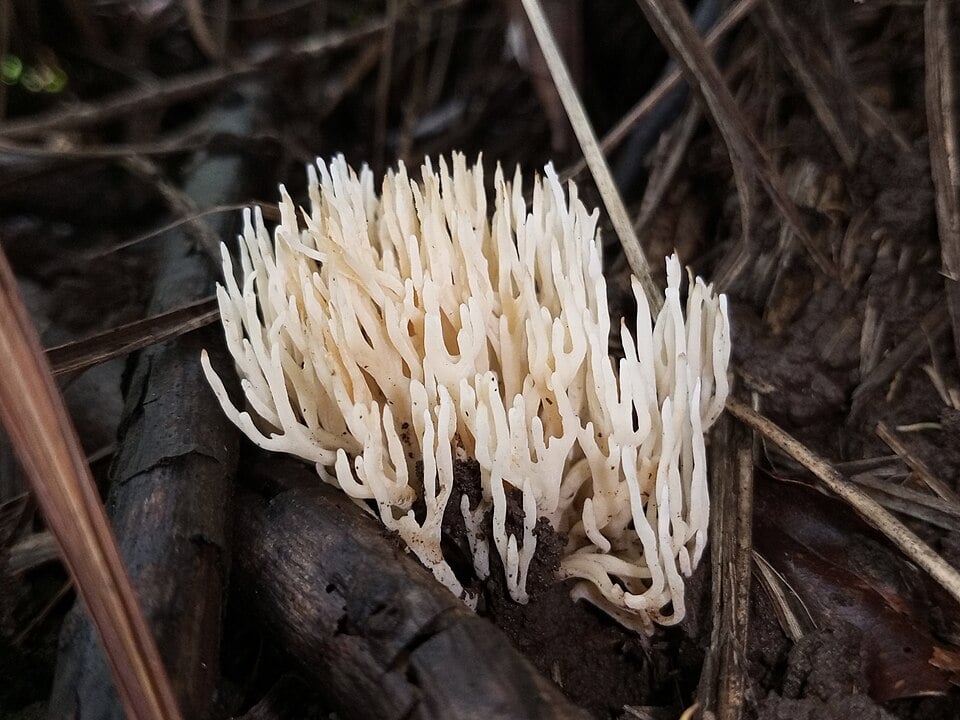
(c) Susan Elliott, some rights reserved (CC BY-NC), uploaded by Susan Elliott
iNaturalist· cc-by-nc
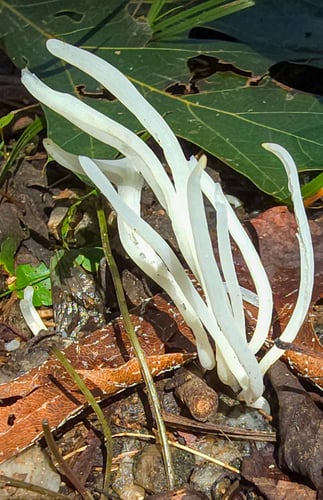
(c) Adam Bryant, some rights reserved (CC BY-NC), uploaded by Adam Bryant
iNaturalist· cc-by-nc
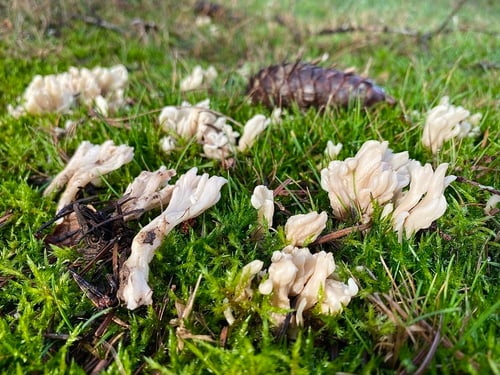
(c) Susan Elliott, some rights reserved (CC BY-NC), uploaded by Susan Elliott
Summary
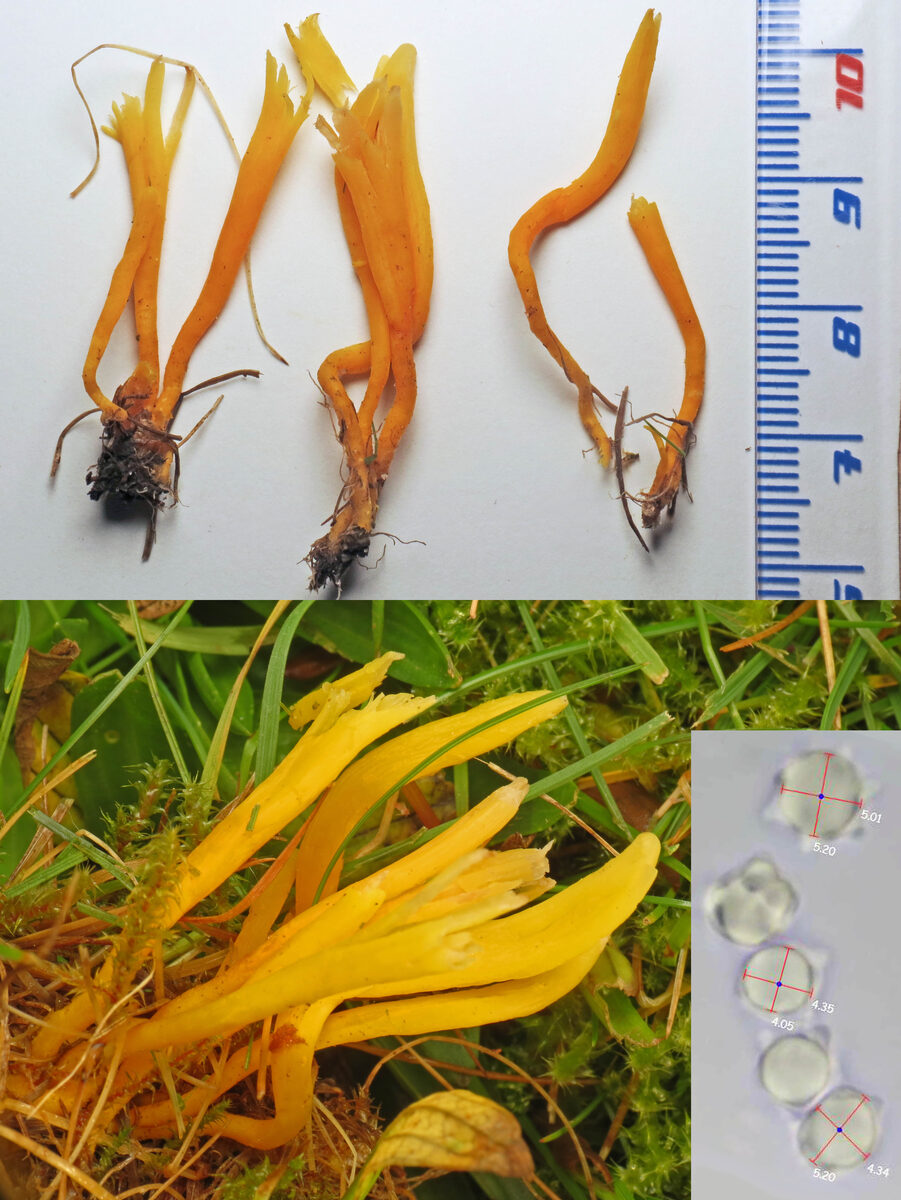
Source: WikipediaClavulinopsis fusiformis is a clavarioid fungus in the family Clavariaceae. In the UK, it has been given the recommended English name of golden spindles. In North America it has also been called spindle-shaped yellow coral or golden fairy spindle. It was originally described from England and is part of an unresolved species complex. Clavulinopsis fusiformis forms cylindrical, bright yellow fruit bodies that grow in dense clusters on the ground in agriculturally unimproved grassland or in woodland litter.
Description
A mushroom.
This description is brief — help expand it
Edible Uses
Fruit bodies are commonly collected and consumed in Nepal, where the fungus is known locally as Kesari chyau. Extracts from Japan have been found to contain an anti-B red blood cell agglutinin protein.
Traditional Uses
It is bitter.
This uses section is brief — help expand it
Distribution
It is a temperate plant. It grows under hardwood trees and conifers.
Where It Grows
Asia, Himalayas, India, Nepal,
References (5)
- Ambasta, S.P. (Ed.), 2000, The Useful Plants of India. CSIR India. p 131 (As Clavaria fusiformis)
- Boa, E. R., 2004, Wild edible fungi and their importance to people. FAO Non Wood Forest Products Booklet 17
- Christensen, M., et al, 2008, Collection and Use of Wild Edible Fungi in Nepal. Economic Botany, 62(1), 2008, pp. 12–23
- Dongol, et al, 1995, Edible Mushrooms in Nepal
- Pace, G., 1998, Mushrooms of the world. Firefly books. p 221 (As Clavaria fusiformis)