Solanum rude-pannum
Dunal
Fendler potato
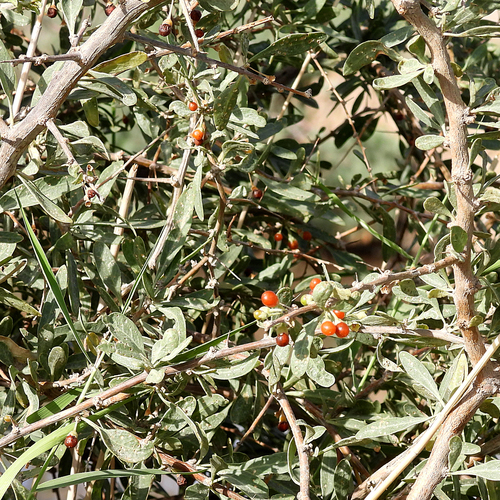
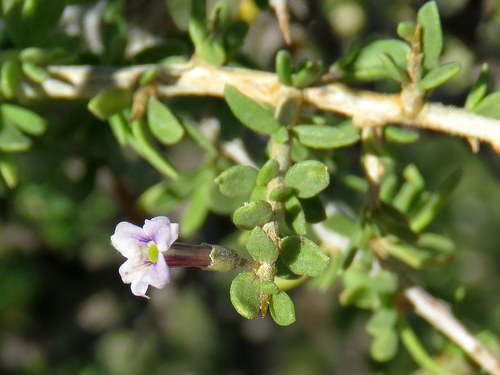
iNaturalist· cc-by-nc
(c) Ignacio Torres-García, some rights reserved (CC BY-NC)
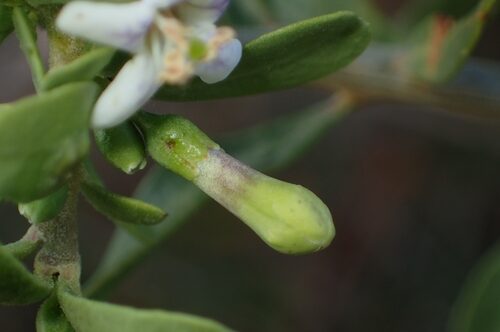
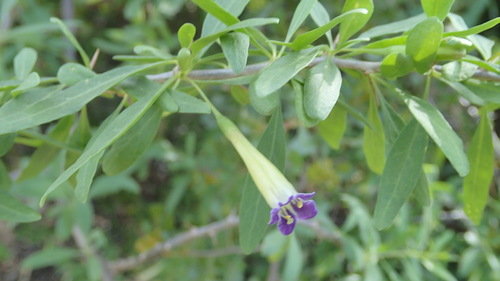
iNaturalist· cc-by-nc
(c) Ignacio Torres-García, some rights reserved (CC BY-NC)
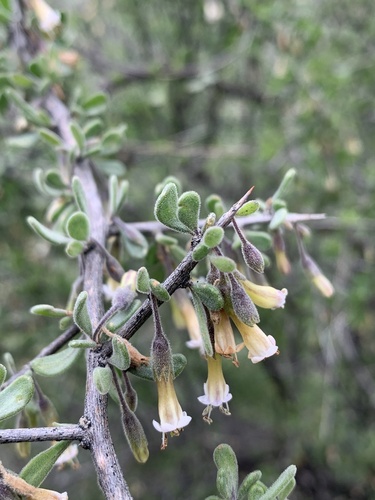
iNaturalist· cc-by-nc
(c) Cerón-Jiménez, O.E., some rights reserved (CC BY-NC)
Description
A shrub or small tree. It can grow 5 m tall. The leaves are 15 cm long. The edges have shallow lobes. The fruit are 1-1.5 cm across and yellow.
This description is brief — help expand it
Edible Uses
The tubers are eaten raw or cooked. The ripe fruit are eaten raw or cooked, and young fruit are chopped, salted, and eaten as a relish with fish.
Traditional Uses
The tubers are eaten raw or cooked. The ripe fruit are eaten raw or cooked. The young fruit are chopped and salted and eaten as a relish with fish.
Distribution
It is a tropical plant. It grows in high mountain regions in Costa Rica. In Northeastern India it grows between 600-800 m above sea level. In XTBG Yunnan.
Where It Grows
Asia, Central America*, China, Colombia, Costa Rica, Ecuador, India, Indonesia, Mexico, North America, Northeastern India, Panama, SE Asia, South America, USA,
Synonyms
Also Known As
Akapu, Berenjena, Campur-campur, Dengabheji, Kalumpu, Kantua, Rimbang, Sundai, Tepozan, Wiigame
References (10)
- Cancilla, D., 2018, Ethnobotanical and Ethnozoological Values Desktop Assessment - Eliwana Project. p 45 (As Solanum diversifolium Schlecht.)
- Kapelle, M., et al, 2000, Useful plants within a Campesino Community in a Costa Rican Montane Cloud Forest. Mountain Research and Development, 20(2): 162-171
- Kermath, B. M., et al, 2014, Food Plants in the Americas: A survey of the domesticated, cultivated and wild plants used for Human food in North, Central and South America and the Caribbean. On line draft. p 824 (Also as Solanum diversifolium Schlecht.)
- Misra S. & Misra M., 2016, Ethnobotanical and Nutritional Evaluation of Some Edible Fruit Plants of Southern Odisha, India. International Journal of Advances in Agricultural Science and Technology, Vol.3 Issue.1, March- 2016, pg. 1-30
- Rangel-Landa, S., et al, 2017, Sociocultural and ecological factors influencing management of edible and non-edible plants: the case of Ixcatlan, Mexico. Journal of Ethnobiology and Ethnomedicine. 13:59
Show all 10 references Hide references
- Rasingam, L., 2012, Ethnobotanical studies on the wild edible plants of Irula tribes of Pillur Valley, Coimbatore district, Tamil Nadu, India. Asian Pacific Journal of Tropical Biomedicine. (2012) S1493-S1497
- Roa, J. A. G. & Boada, D. S. G., 2018, Fundación para el Fortalecimiento de la Fruticultura y Plantas Alimenticias no Convencionales en Colombia.
- Smith, P.M., 1979, Solanums, in Simmonds, N.W., (ed), Crop Plant Evolution. Longmans. London. p 322 (As Solanum diversifolium Schlecht.)
- Terra, G.J.A., 1973, Tropical Vegetables. Communication 54e Royal Tropical Institute, Amsterdam, p 76 (As Solanum diversifolium Schlecht.)
- Tsering, J., et al, 2017, Ethnobotanical appraisal on wild edible plants used by the Monpa community of Arunchal Pradesh. Indian Journal of Traditional Knowledge. Vol 16(4), October 2017, pp 626-637