Millettia leucantha
Kurz
iNaturalist· cc-by-nc
(c) ab_satta, some rights reserved (CC BY-NC), uploaded by ab_satta
iNaturalist· cc-by-nc
(c) ab_satta, some rights reserved (CC BY-NC)
Description
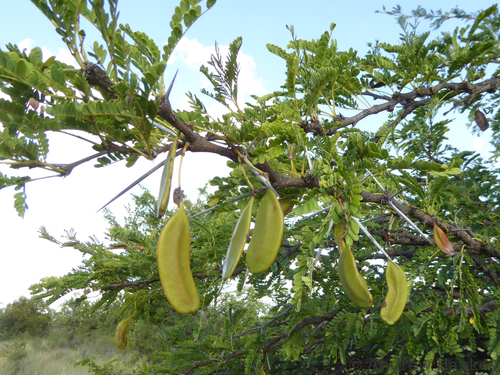
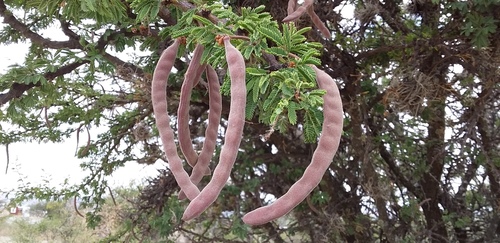
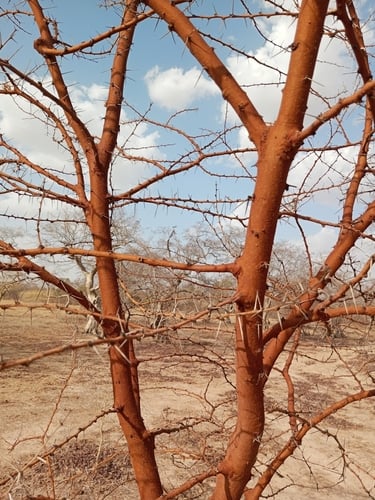
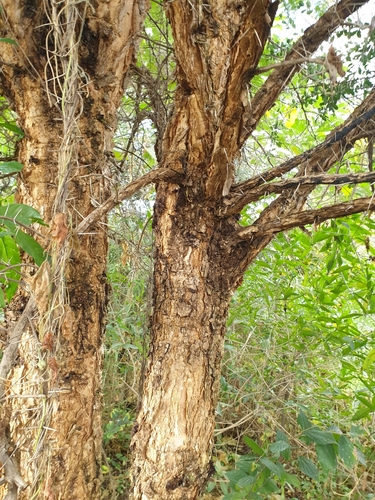
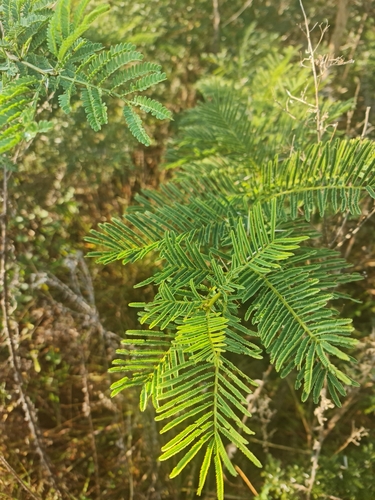
A small tree. It grows 6-7 m tall. The bark is grey. The leaves have 7-9 leaflets. These are oblong and 8-30 cm long by 3-6 cm wide. The flowers are in groups of 2-5 and are white. The pod is oblong and flat and 10-27 cm long by 3-4 cm wide. They are woody. There are 3 or 4 seeds.
Edible Uses
Sathon sauce is a flavouring sauce used in Isaan cuisine. The leaves of two species of Millettia are used for making sathon sauce: Millettia utilis and Millettia leucantha var. buteoides (aka Imbralyx leucanthus var. buteoides). This sauce used for cooking is the only OTOP product made from the sathon tree.
Traditional Uses
The young leaves are eaten.
This uses section is brief — help expand it
Distribution
It is a tropical plant. It grows in limestone areas. In southern China it grows in sparse woodlands at about 1,100 m above sea level.
Where It Grows
Asia, China, Indochina, Laos, Myanmar, SE Asia, Thailand,
Cultivation
Millettia leucantha is native to a monsoonal tropical climate in Myanmar, where the mean annual rainfall is around 1,500mm, though it can be only half of this in some years. The mean maximum temperature of the hottest month is 41.5°c, the mean minimum temperature of the coldest month is 10.7°c. Species in this genus generally grow best in a sunny position in a fertile, moisture-retentive but well-drained soil.
Propagation
Like many species within the family Fabaceae, once they have been dried for storage the seeds of this species may benefit from scarification before sowing in order to speed up and improve germination. This can usually be done by pouring a small amount of nearly boiling water on the seeds (being careful not to cook them!) and then soaking them for 12 - 24 hours in warm water. By this time they should have imbibed moisture and swollen - if they have not, then carefully make a nick in the seedcoat (being careful not to damage the embryo) and soak for a further 12 hours before sowing.
Other Uses
The purplish-black wood is beautifully streaked, dense and hard with narrow, concentric bands of soft tissue. It is used for cross-pieces of harrows, and is worthy of attention for its beautiful grain and dark colour. It can be used for cabinet making and to produce high quality furniture.
Synonyms
Also Known As
Kra cho
References (2)
- Thitiprasert, W., et al, 2007, Country report on the State of Plant Genetic Resources for Food and Agriculture in Thailand (1997-2004). FAO p 95
- World Checklist of Useful Plant Species 2020. Royal Botanic Gardens, Kew