Cantharellus cibarius var. defibulatus
Heinem.
Amethyst Chanterelle
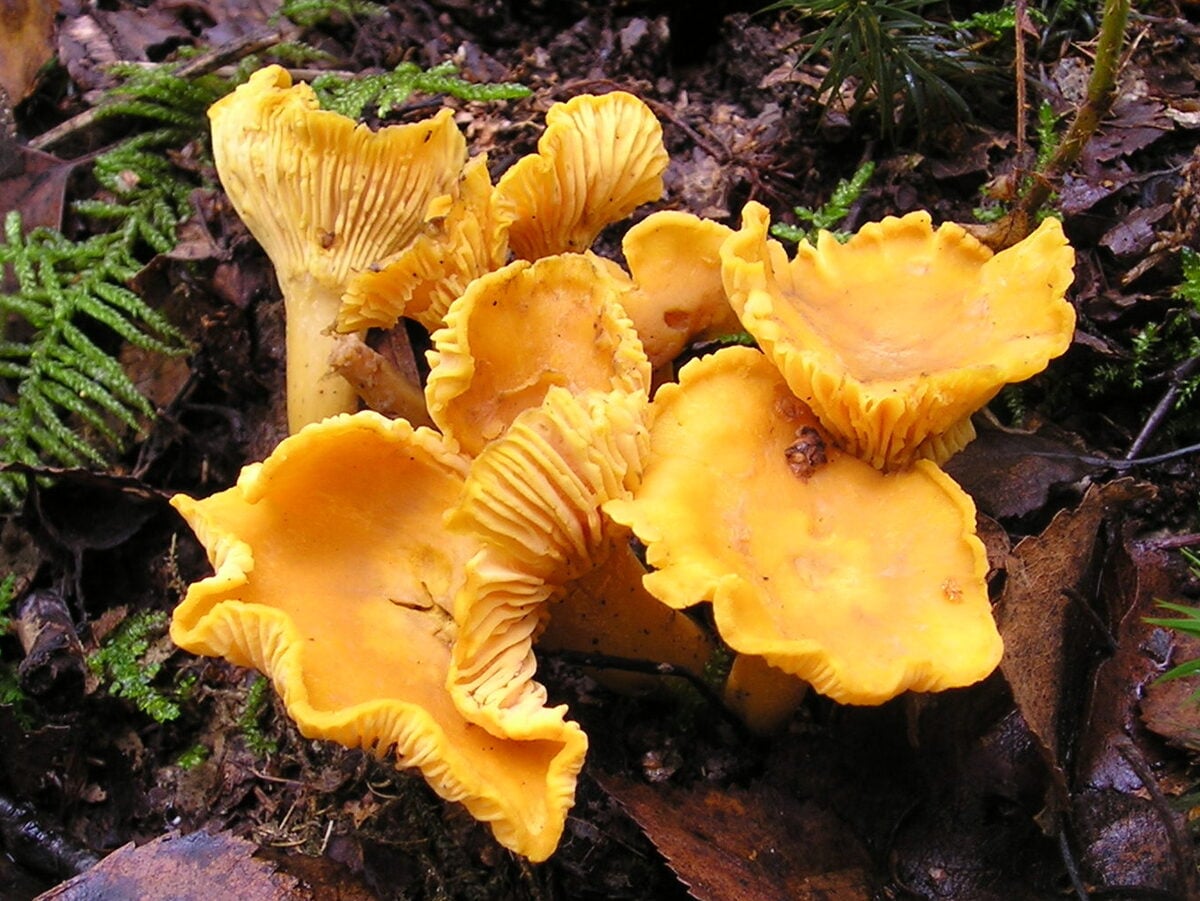
iNaturalist· cc-by-nc
(c) Federico Calledda, some rights reserved (CC BY-NC), uploaded by Federico Calledda
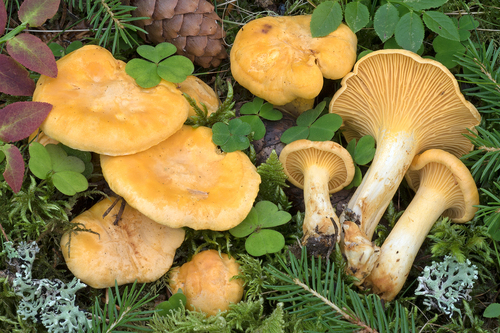
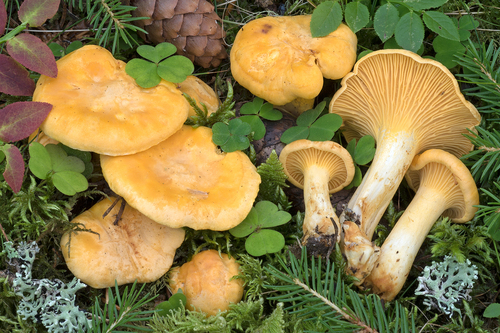
iNaturalist· cc-by-nc
(c) Jeroen Van Akkeren, some rights reserved (CC BY-NC), uploaded by Jeroen Van Akkeren
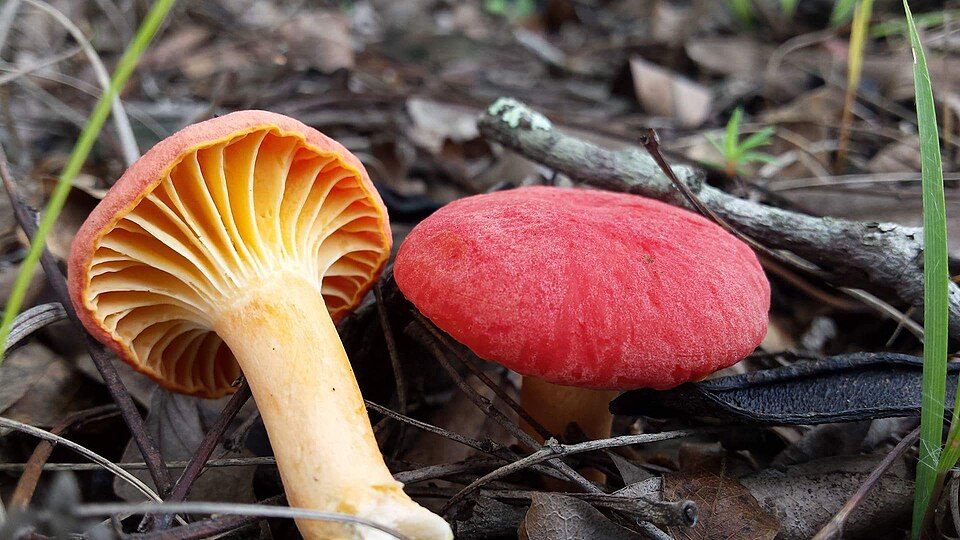
iNaturalist· cc-by-sa
(c) Björn S..., some rights reserved (CC BY-SA)
Summary
Source: WikipediaCantharellus cibarius (Latin: cantharellus, "chanterelle"; cibarius, "culinary") is the golden chanterelle, the type species of the chanterelle genus Cantharellus. It is also known as girolle (or girole). Despite its characteristic features, C. cibarius can be confused with species such as the poisonous Omphalotus illudens. The golden chanterelle is a commonly consumed and choice edible species.
Description
A mushroom.
This description is brief — help expand it
Edible Uses
A commonly eaten and favored mushroom, the chanterelle is typically harvested from late summer to late fall in its European distribution. Chanterelles are used in many culinary dishes, but watery specimens are more susceptible to rot. The mushrooms can be preserved by either drying or freezing. The use of an oven for drying is not recommended because it can make the mushroom bitter.
Distribution
It is a tropical plant. It grows in Miombo woodland. It can grow in termite mounds.
Where It Grows
Africa, Burundi, Central Africa, Congo DR, East Africa,
Dangerous Lookalikes
This plant can be confused with the following toxic species. Always verify identification carefully before consuming any wild plant.
Jack-O'-Lantern Mushroom
Omphalotus olearius
Antonio Abbatiello
Amethyst Chanterelle
Cantharellus cibarius var. defibulatus
(c) Federico Calledda, some rights reserved (CC BY-NC), uploaded by Federico Calledda
Jack-O'-Lantern Mushroom: True knife-like gills, grows in clusters on wood/stumps, glows in the dark, orange throughout.
Amethyst Chanterelle: Blunt forked ridges (not true gills), grows singly from soil, apricot/fruity smell, solid flesh.
Also Known As
Bwitondwe, Kasuta, Nyarumpu, Ubunzuguru
References (3)
- Boa, E. R., 2004, Wild edible fungi and their importance to people. FAO Non Wood Forest Products Booklet 17
- Buyck, B., & Nzigidahera, B., 1995, Ethnomycological Notes from Western Burundi. Belg. Journ. Bot. 128(2): 131-138
- Degreef, J., et al, 1997, Edible Mushrooms of the Zambezian woodland area. A nutritional and ecological approach. Biotechnol. Agron. Soc. Envir. 1(3): 221-231