Lancea tibetica
Hook.f. & Thomson
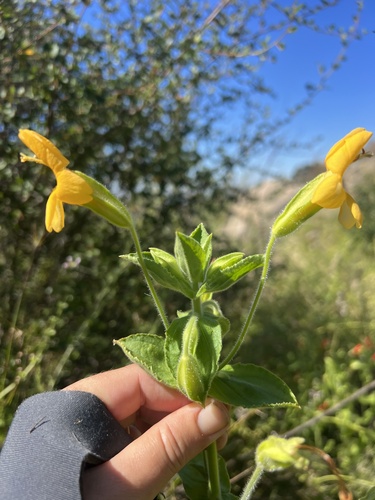
iNaturalist· cc-by-nc
(c) K S Gopi Sundar, some rights reserved (CC BY-NC)
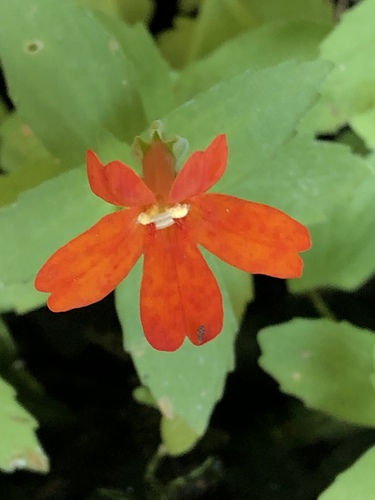
iNaturalist· cc-by-nc
(c) qianli_feng, some rights reserved (CC BY-NC)
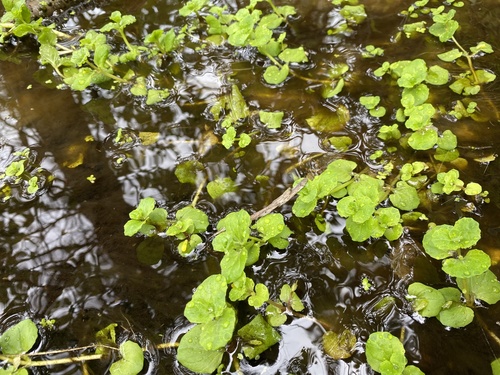
iNaturalist· cc-by-nc
(c) hilyshao, some rights reserved (CC BY-NC)
Summary
Source: WikipediaLancea tibetica is a herbaceous plant of the Mazaceae family. Lancea tibetica is found in grasslands, sparse forests, along streams between the altitudes of 2000 and 4500 meters in the Gansu, Qinghai, Sichuan and Tibet Autonomous Region regions of China, Bhutan, India, Mongolia, Sikkim and Nepal.
Description
A herb. It grows up to about 10 cm tall. It has rhizomes or underground stems 10 cm long. It has 2 soft scales near each node. There are 6-10 leaves in a ring. They are oval or spoon shaped and 2-7 cm long. The flowers are in groups of 3-5. They are dark blue to purple. The fruit is red to dark purple and oval and 1 cm long. There are many seeds. They are 1 mm across.
Edible Uses
No edible uses are known for this plant.
Traditional Uses
The young leaves are cooked as a vegetable.
This uses section is brief — help expand it
Medicinal Uses
In Tibetan medicine, the flowers, leaves, and fruit are considered to have a sweet and bitter taste with a cooling potency, and are used to treat pulmonary disorders. The fruit is used specifically for heart disorders and retention of the menses, while the leaves are applied to heal wounds.
Distribution
It is a subtropical plant. It grows in grassland and along streams between 2,000-4,500 m above sea level. In Sichuan and Yunnan.
Where It Grows
Asia, Bhutan, China, Himalayas, India, Mongolia, Nepal, Northeastern India, Sikkim, Tibet,
Cultivation
241070
Other Uses
No other uses are known for this plant.
Notes
Also put in the families Scrophulariaceae and Mazaceae.
References (3)
- Flora of China.
- Urgamal, M., Oyuntsetseg, B., Nyambayar, D. & Dulamsuren, Ch. 2014. Conspectus of the vascular plants of Mongolia. (Editors: Sanchir, Ch. & Jamsran, Ts.). Ulaanbaatar, Mongolia. “Admon“ Press. 334pp. (p. 79-90).
- Weckerle, C. S., et al, 2006, Plant Knowledge of the Shuhi in the Hengduan Mountains, Southwest China. Economic Botany 60(1):2-23