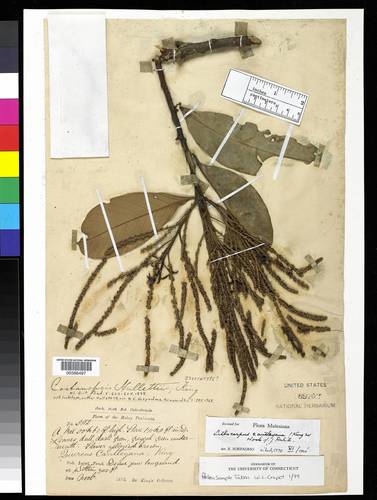
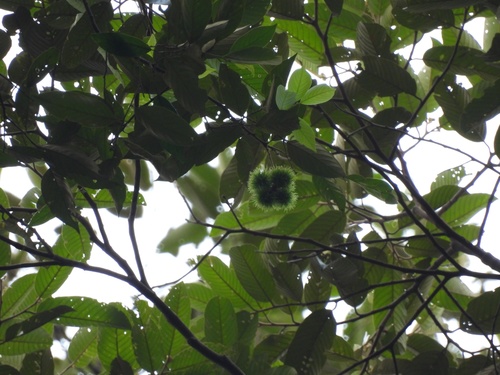
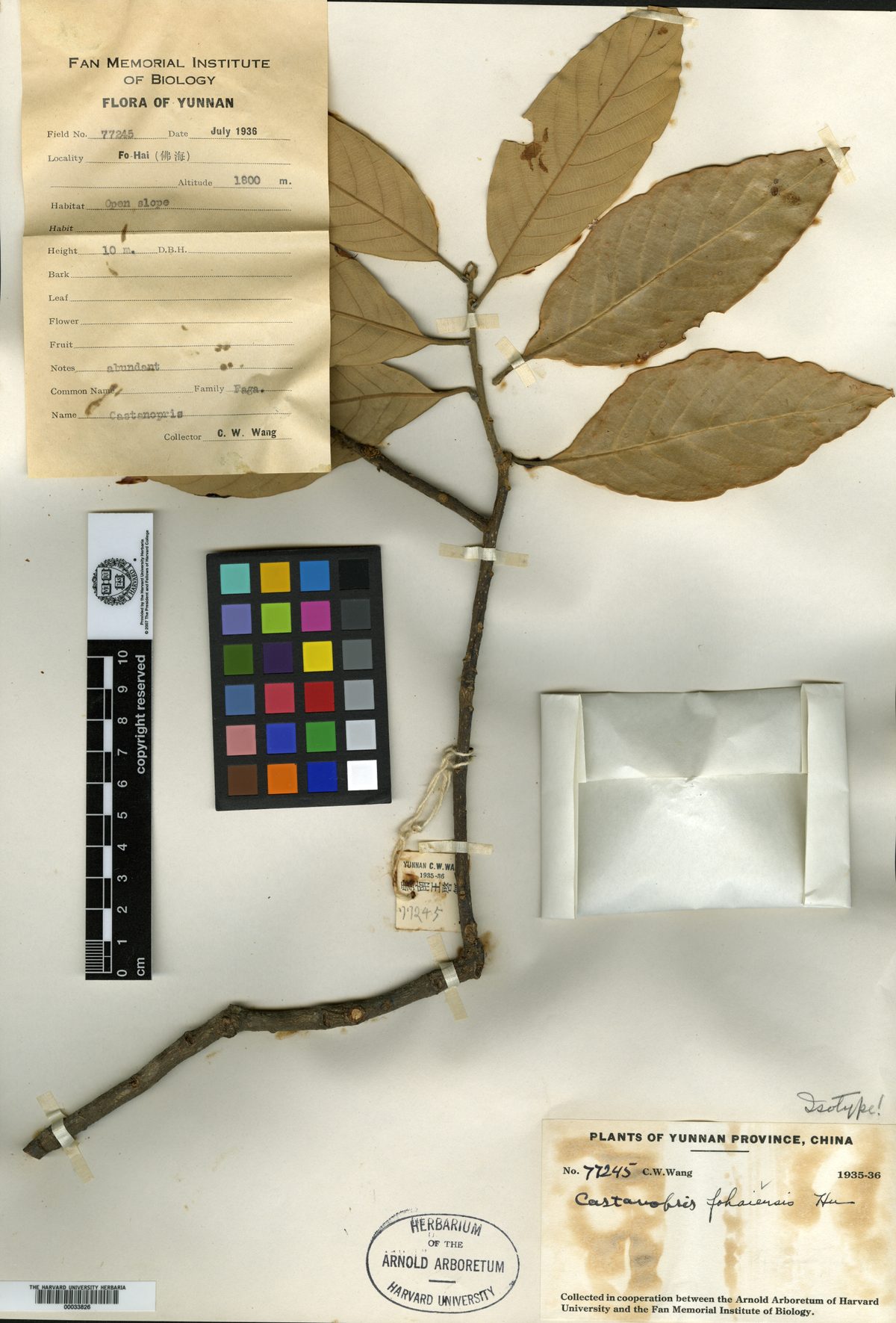
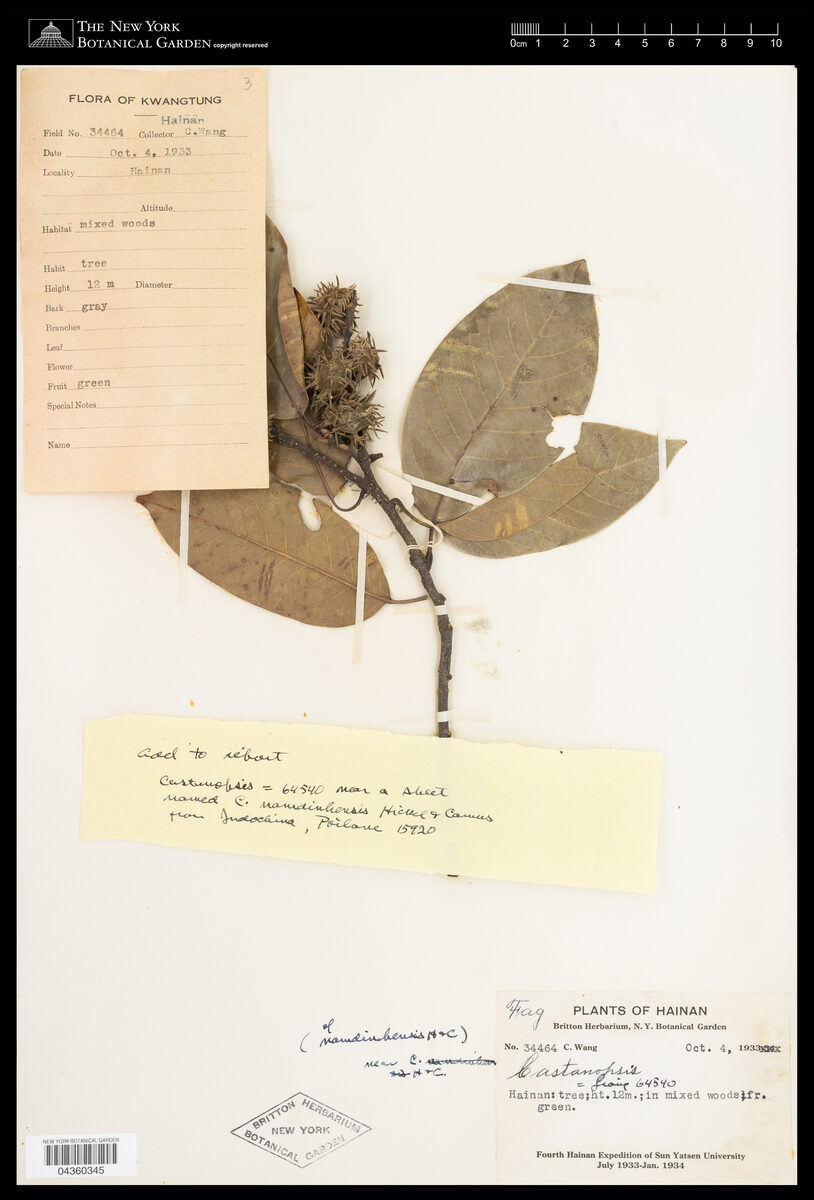
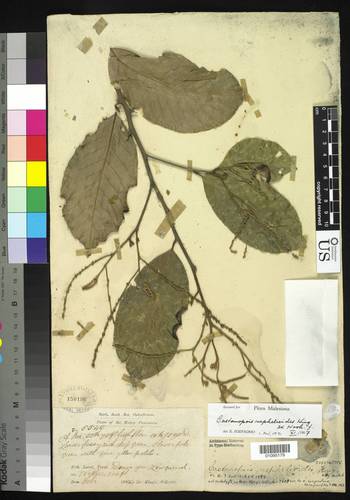
Castanea pumila subsp. ashei
Sudw.
gbif· cc0
Botanical Research Institute of Texas
gbif· cc0
Botanical Research Institute of Texas
gbif· cc0
Botanical Research Institute of Texas
Summary
Source: WikipediaCastanea pumila, commonly known as the Allegheny chinquapin, American chinquapin (from the Powhatan) or dwarf chestnut, is a species of chestnut native to the southeastern United States. The native range is from Massachusetts and New York to Maryland and extreme southern New Jersey and southeast Pennsylvania south to central Florida, west to eastern Texas, and north to southern Missouri and Kentucky. The plant's habitat is dry sandy and rocky uplands and ridges mixed with oak and hickory to 1000 m elevation. It grows best on well-drained soils in full sun or partial shade. Allegheny chinquapin is relatively resistant to chestnut blight compared to the closely-related American chestnut.
Description
A coastal temperate tree in the Fagaceae family bearing edible nuts and seeds. It is distinguished by having less spiny bracts compared to other forms.
Medicinal Uses
John Smith of Jamestown made the first record of the tree and its nuts in 1612, observing its use by the Native Americans. Native Americans made an infusion of chinquapin leaves to relieve headaches and fevers. The bark, leaves, wood, and seed husks of the plant contain tannin. The nuts can be blanched, dried, and rehydrated to be prepared as food. The wood is hard and durable and is sometimes used in fences and fuel, but the plant is too small for the wood to be of commercial importance. Chinquapins are used in landscapes for the purpose of attracting wildlife. When the base of the plant is cut or wounded at ground level the plant will grow multiple stalks producing a thick cover used by turkeys. The nuts are consumed by squirrels and rabbits while white-tailed deer graze upon the foliage.
Distribution
It is a temperate plant.
Where It Grows
Asia, Japan, North America, USA,
Cultivation
Plants can be grown from seed. Seedlings need transplanting very early.
Notes
All Castanea bear edible nuts. There are about 12 Castanea species.
Dangerous Lookalikes
This plant can be confused with the following toxic species. Always verify identification carefully before consuming any wild plant.
Horse Chestnut (Conker)
Aesculus hippocastanum
Solipsist
Castanea pumila subsp. ashei
Castanea pumila subsp. ashei
Botanical Research Institute of Texas
Horse Chestnut (Conker): Round smooth nuts (conkers), bumpy green husk (not very spiny), palmate compound leaves (like a hand).
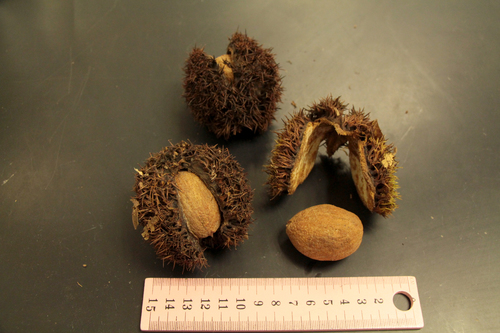
Castanea pumila subsp. ashei: Nuts with pointed tassel, very spiny bur casing, simple toothed leaves.
References (1)
- Plants for a Future database, The Field, Penpol, Lostwithiel, Cornwall, PL22 0NG, UK. http://www.scs.leeds.ac.uk/pfaf/