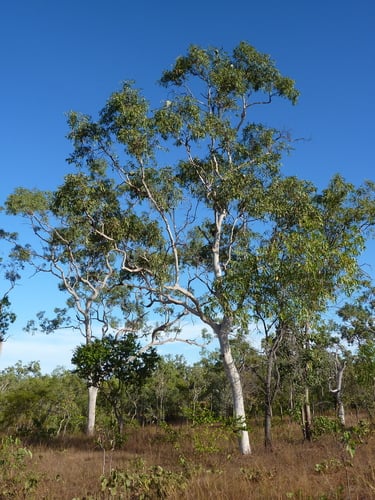
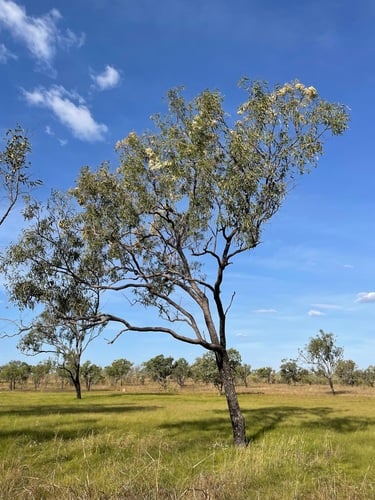
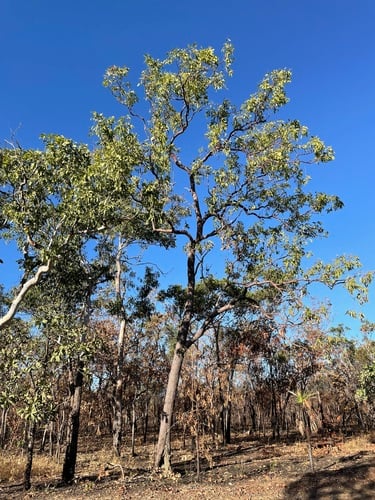
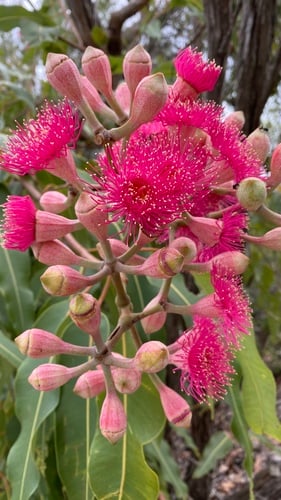
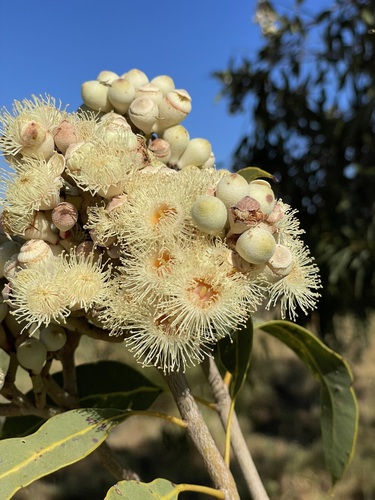
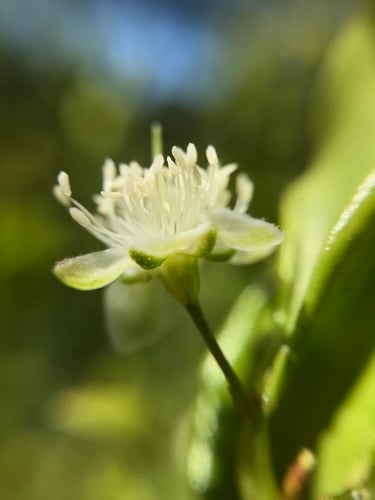
Eugenia lambertiana
DC.
iNaturalist· cc-by
(c) Enrique Salazar, some rights reserved (CC BY)
iNaturalist· cc-by
(c) Enrique Salazar, some rights reserved (CC BY)
iNaturalist· cc-by
(c) Enrique Salazar, some rights reserved (CC BY)
Description
A tree. It grows 10-15 m tall. The fruit are yellow and turn black when very ripe. The fruit are round and 1.5 cm across. There is sweet pulp and one seed.
Edible Uses
Fruit - raw. A thin flesh over a large seed. The yellow or orange to black, globose fruit is around 10mm in diameter, containing a single seed.
Traditional Uses
The pulp of the fruit is eaten.
This uses section is brief — help expand it
Distribution
It is a tropical plant. It grows near blackwater rivers. It grows in the lowlands. It can tolerate floods.
Where It Grows
Amazon, Bolivia, Brazil, Colombia, Ecuador, French Guiana, Guianas, Guyana, Lesser Antilles, Peru*, South America, Suriname, Trinidad-Tobago, Venezuela, Winward Is.,
Cultivation
Eugenia lambertiana is a plant of the moist tropics.
Production
Trees can produce fruit when 2 m high. Fruit are harvested in the rainy season.
Synonyms
Also Known As
Murta-do-campo, Quinilla, Sacha caimitillo, Swampoe goejaba, Yacuruna
References (5)
- Grandtner, M. M. & Chevrette, J., 2013, Dictionary of Trees, Volume 2: South America: Nomenclature, Taxonomy and Ecology. Academic Press p 239
- Kermath, B. M., et al, 2014, Food Plants in the Americas: A survey of the domesticated, cultivated and wild plants used for Human food in North, Central and South America and the Caribbean. On line draft. p 355
- Kew Plants of the World Online
- Roa, J. A. G. & Boada, D. S. G., 2018, Fundación para el Fortalecimiento de la Fruticultura y Plantas Alimenticias no Convencionales en Colombia.
- Smith, N., et al, 2007, Amazon River Fruits. Flavors for Conservation. Missouri Botanical Gardens Press. p 196