Miconia heteroclita
(Naudin) Michelang.
Japura Clidemia
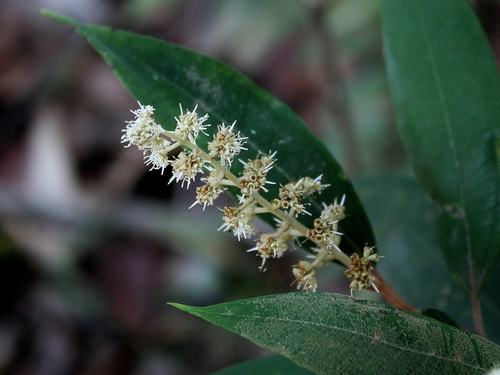
iNaturalist· cc-by-sa
(c) Lena Struwe, some rights reserved (CC BY-SA), uploaded by Lena Struwe
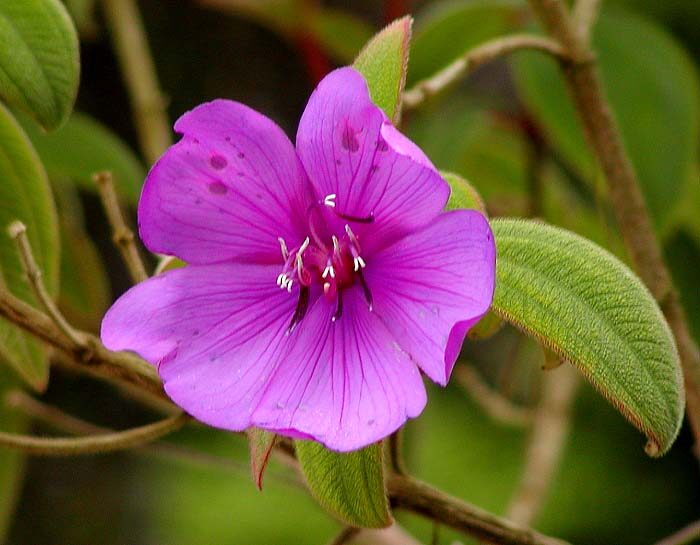
iNaturalist· cc-by-sa
(c) Djibo Zanzot, some rights reserved (CC BY-SA)
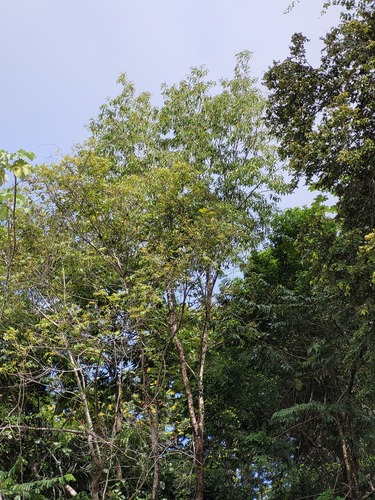
iNaturalist· cc-by-sa
(c) Djibo Zanzot, some rights reserved (CC BY-SA)
Description
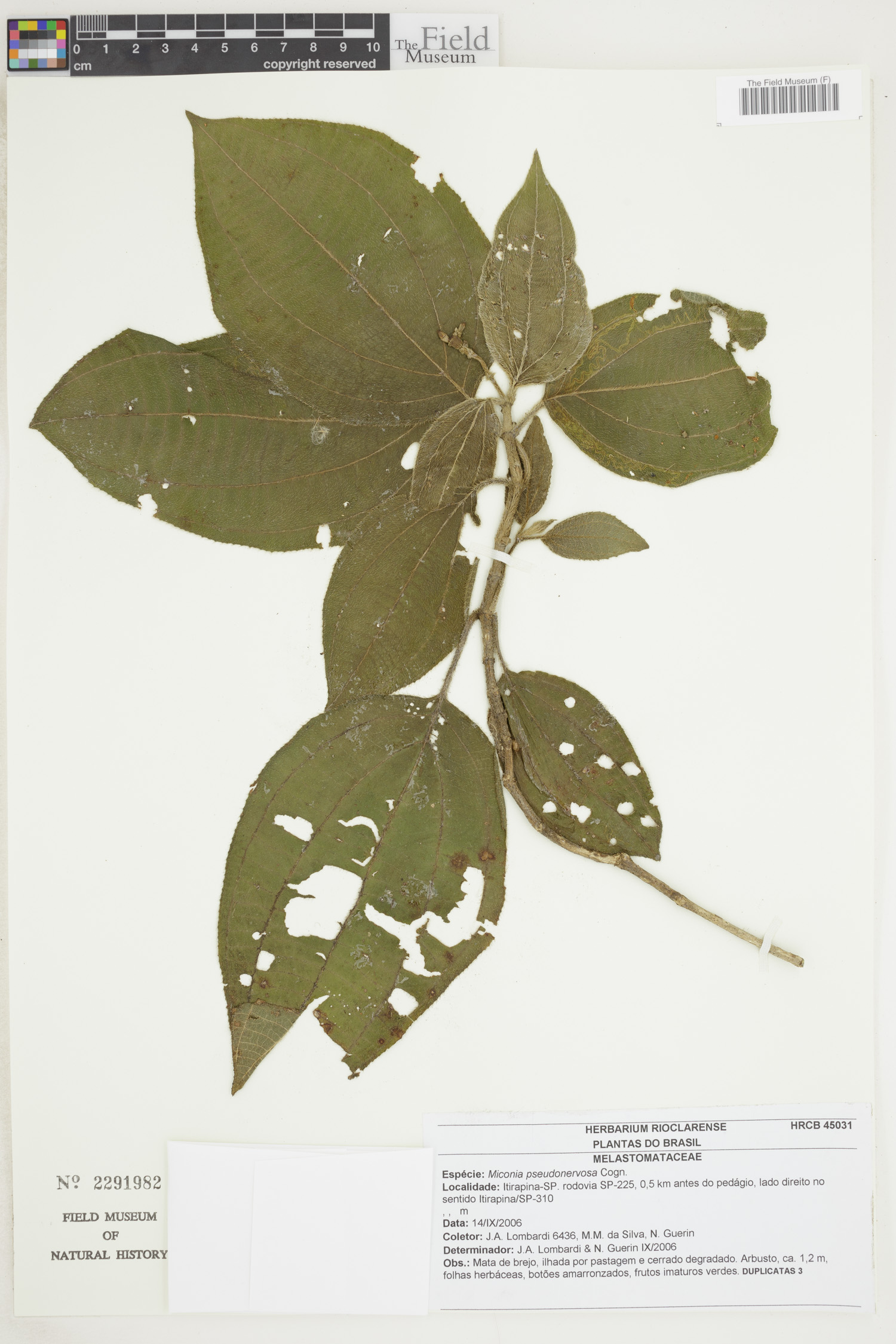
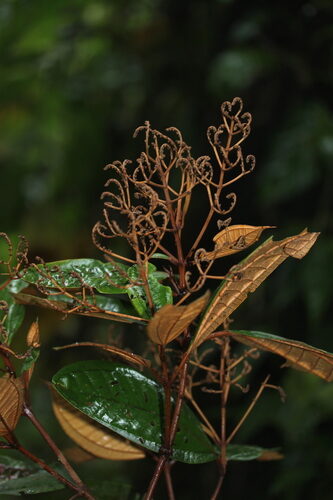
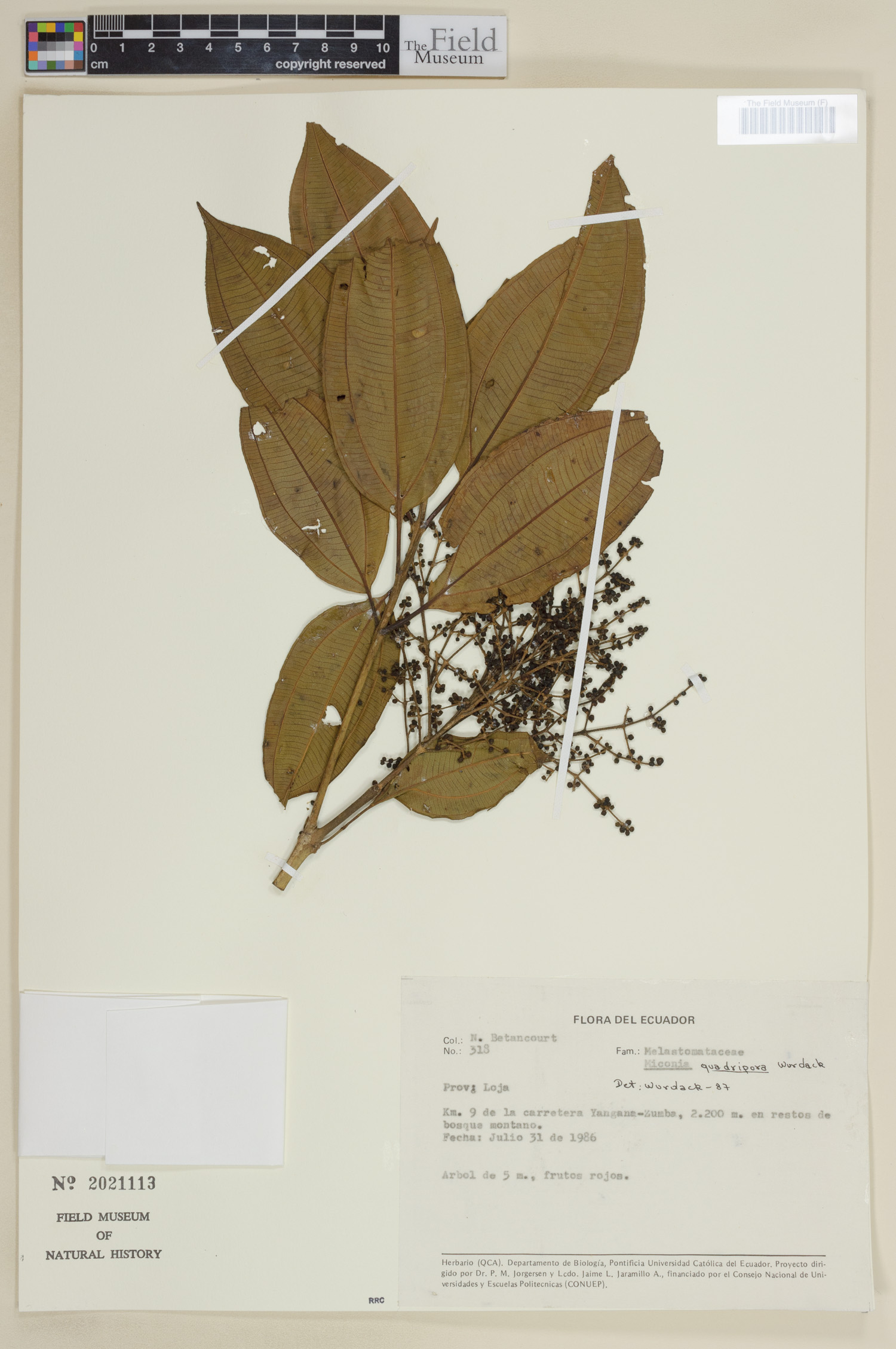
A shrub or small tree. It grows 70 cm to 2 m tall. The branches are hairy. The leaves are pointed. They are hairy on both surfaces. The flowers are in loose groups in the axils of leaves. The fruit are 8 mm long by 5 mm wide. They are soft skinned and hairy. They are blue.
Edible Uses
The fruits are edible and are especially eaten by children.
Distribution
It is a tropical plant. In the Amazon it grows up to 700 m above sea level.
Where It Grows
Amazon, Brazil*, Central America, Colombia, Costa Rica, Ecuador, French Guiana, Guianas, Guyana, Nicaragua, Peru, South America, Suriname, Venezuela,
Other Information
The fruit are eaten especially by children.
Synonyms
Also Known As
Matapasto, Mullaca sapo, Mullaquilla, Papailla, Sakusaku, Tikasyeng wokuru, Tonoro wokuru
References (4)
- Don, G., A General History of the Dichlamydeus Plants: Calyciflorae (As Clidemia japurensis)
- Kew Plants of the World On line
- Smith, N., et al, 2007, Amazon River Fruits. Flavors for Conservation. Missouri Botanical Gardens Press. p 172 (As Clidemia japurensis)
- van Andel, T., 2000, Useful plants of Guyana. Non-timber forest products of the North-West District of Guyana. Part 2. A Field Guide. Tropenbos-Guyana Programme. p 288 (As Clidemia japurensis)