Aporosa frutescens
Blume
iNaturalist· cc-by-nc
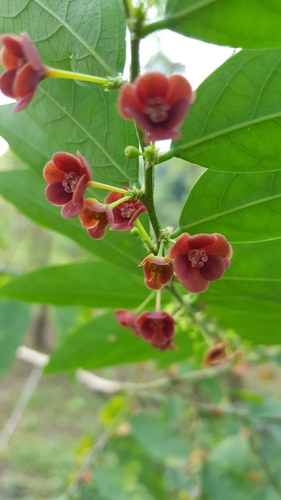
(c) SunGW, some rights reserved (CC BY-NC), uploaded by SunGW
iNaturalist· cc-by-nc-sa
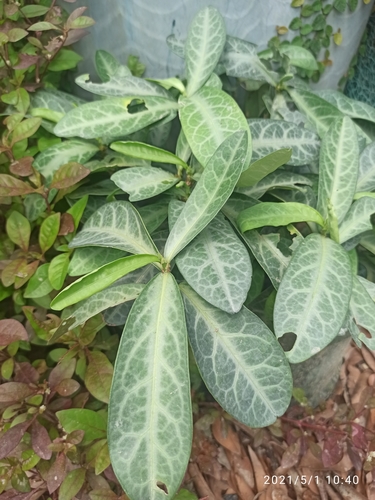
(c) Smithsonian Institution, National Museum of Natural History, Department of Botany, some rights reserved (CC BY-NC-SA)
Description
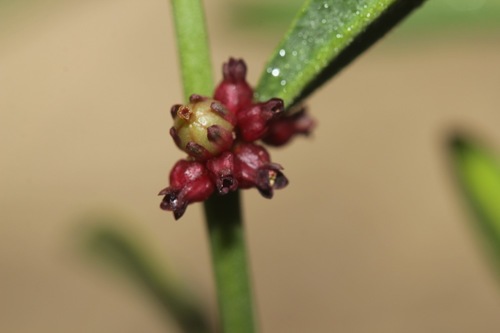
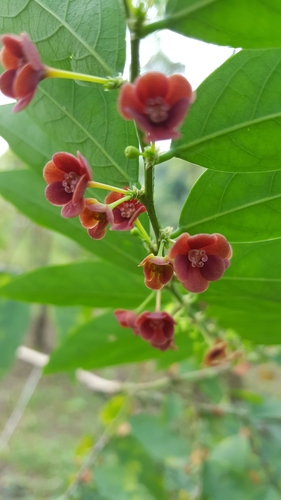
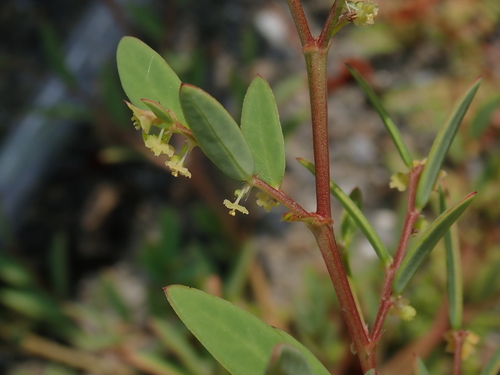
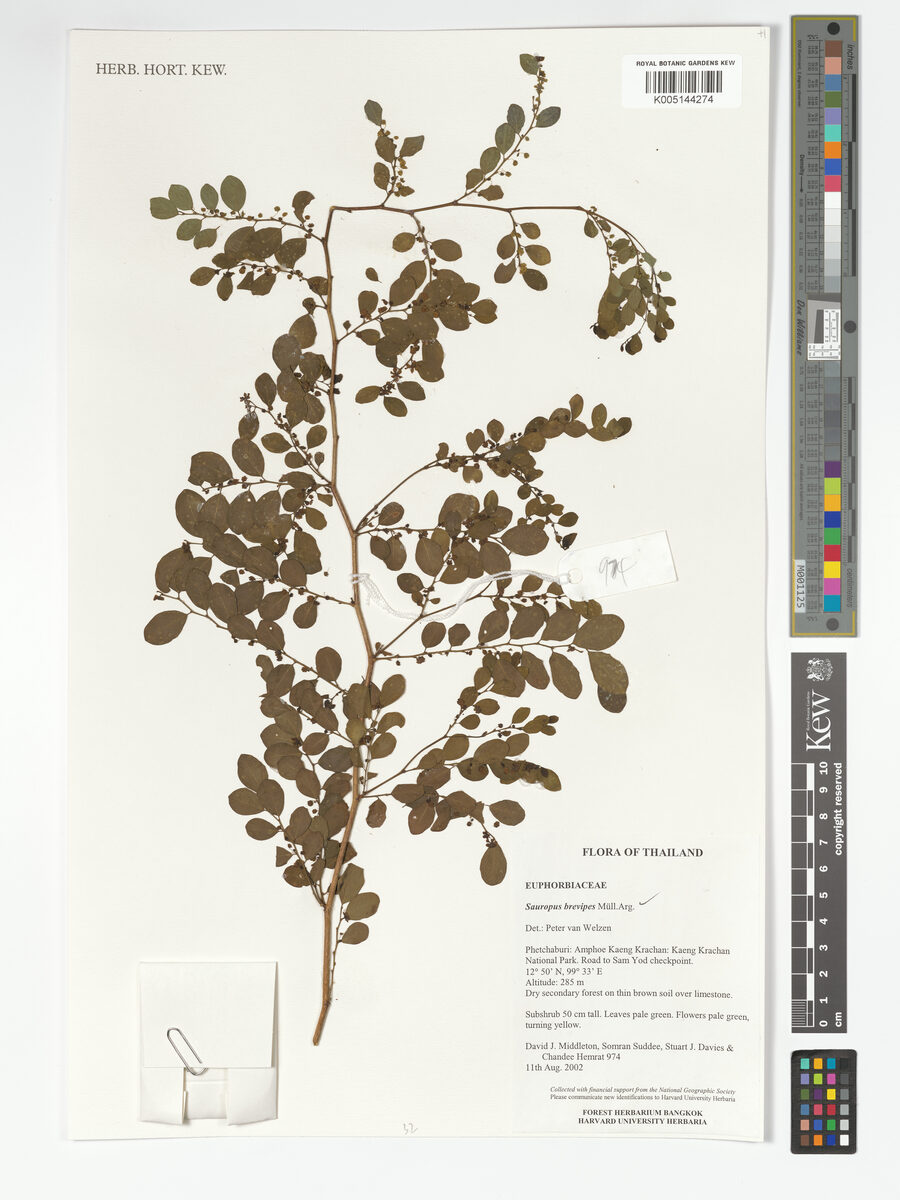
A small tree. It can grow to 22 m high. The leaves are alternate and simple. The flowers are about 0.5 mm across. They are yellow and in tight groups. The fruit are 12 mm long. They are yellow to orange or red. The seeds have an orange fleshy layer or aril.
Edible Uses
The fruit are eaten.
Distribution
It is a tropical plant. It grows in the forest up to 1,700 m above sea level.
Where It Grows
Asia, Brunei, Indonesia, Malaysia, Myanmar, Philippines, SE Asia, Thailand,
Cultivation
A tree of the tropical rainforests, where it grows naturally at elevations up to 1,700 metres. Found in the wild on granitic or yellow-red loamy sand, red clay, blackish stony or a silty clay brown laterite. It succeeds in dry and swampy conditions, and is often found growing in shade. A dioecious species, both male and female forms need to be grown if fruit and seed are required.
Other Uses
The bark, called 'sasah' is used in the batik industry as a mordant, for fixing the red dye of Morinda citrifolia. Sometimes the leaves were used for that purpose. The bark is probably rich in aluminium, which explains its action as a mordant. No chemical analysis of this plant is available, but accumulation of aluminium is reported as common in the genus. The crushed leaves smell of alum, and the yellowish colour of dried leaves also indicates a high content of aluminium The bark is also occasionally used to prepare a black dye. The wood is hard, yellow-brown, and radially striate. It is considered second-class, but is sometimes used for building houses and making tools.
Synonyms
Also Known As
Girak, Kalumanjat, Korosin, Lamog-lamog, Liposu gobuk, Monka-a, Rambai-rambai
References (1)
- Slik, F., www.asianplant.net