Crotalaria calycina
Schrank
iNaturalist· cc0
no rights reserved, uploaded by 葉子
iNaturalist· cc-by-nc
(c) 黃俊曄, some rights reserved (CC BY-NC)
Description
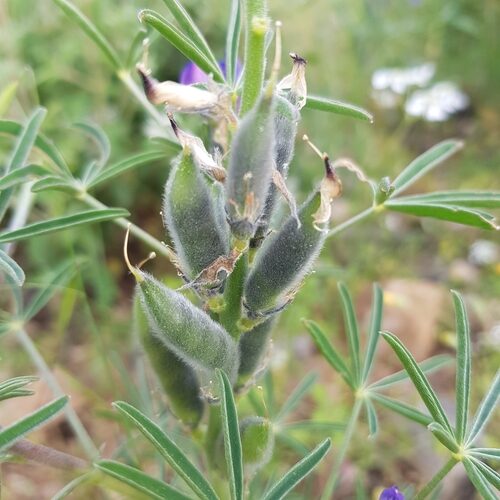
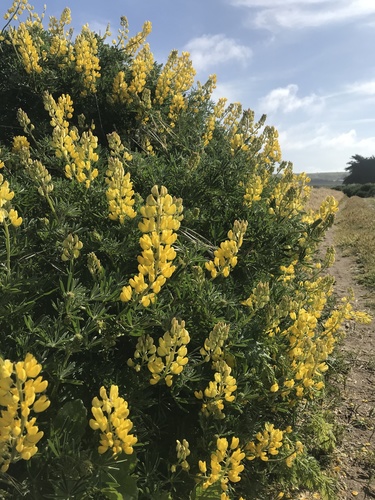
An erect or spreading herb. It grows each year from seeds. It grows 30 cm to 1 m high. The leaves are simple and with short stalks. The leaf blade is narrow and 3-12 cm long by about 1 cm wide. The flowers are at the top. There are 3-12 flowers in a group. There can be flowers occurring singly in the axils of the leaves below. The flowers are pea like and pale yellow. The fruit is a black pod 2-3 cm long with 20-30 seeds.
Edible Uses
The leaves and fruit are eaten, though the plant is probably only very occasionally consumed as food.
Medicinal Uses
The plant is used for treating pain, convulsions, wounds, venereal sores, syphilis etc.
Distribution
It is a tropical plant. It grows on clay and seasonally wet areas. It grows in wet savannah grassland and along river banks. It can be on the edge of flooded rice fields. In Sichuan and Yunnan.
Where It Grows
Africa, Australia, Bangladesh, Bhutan, Burkina Faso, Cambodia, China, East Africa, Guinea, Guinée, Guinea-Bissau, Himalayas, India, Indochina, Indonesia, Laos, Malaysia, Mozambique, Myanmar, Nepal, Pacific, Pakistan, Philippines, SE Asia, Sri Lanka, Taiwan, Thailand, Togo, Vietnam, West Africa,
Cultivation
Plants can be grown. Seed germinate more easily if treated.
Propagation
Seed - sow in situ. Pre-soaking the seed for 12 hours in warm water can help to reduce germination time.
Other Information
It is probably only very occasionally eaten.
Synonyms
Also Known As
Sucsac dai-to
References (1)
- Batawila, K., et al, 2007, Diversite et gestion des legumes de cueillete au Togo. African Journal of Food, Agriculture, Nutrition and Development 7( 3& 4): 65