Ustilago zeae
(Beckm.) Ung.
Corn smut
iNaturalist· cc-by-nc
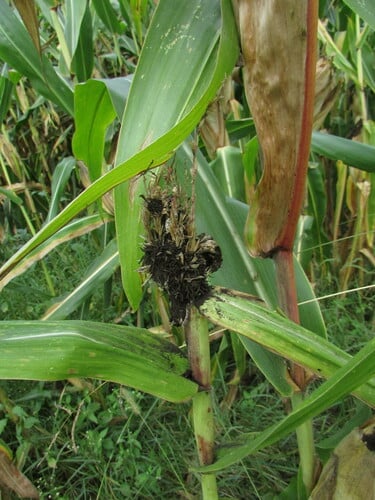
(c) Azul B.M, some rights reserved (CC BY-NC)
iNaturalist· cc-by-nc
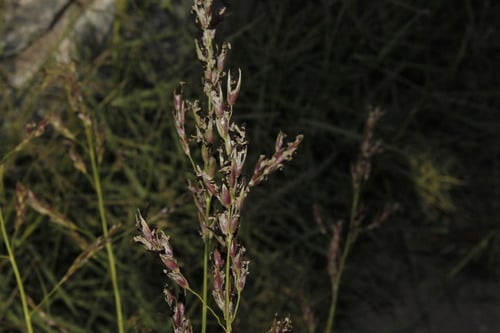
(c) Azul B.M, some rights reserved (CC BY-NC)
iNaturalist· cc-by-nc
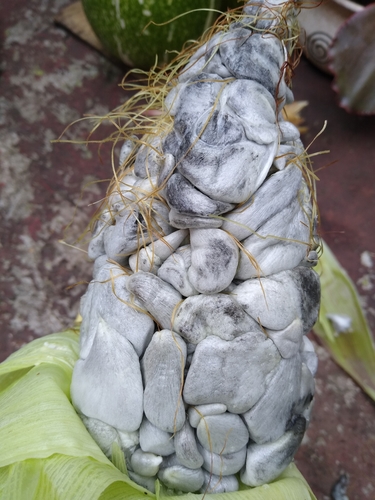
(c) Azul B.M, some rights reserved (CC BY-NC)
Description
A smut fungus in the family Ustilaginaceae found in temperate regions, where it affects corn plants.
This description is brief — help expand it
Edible Uses
Smut feeds on the corn plant and decreases the yield. Smut-infected crops are often destroyed, although some farmers use them to prepare silage. However, the immature infected galls are still edible, and in Mexico, they are highly esteemed as a delicacy. It is known as huitlacoche and sold for a significantly higher price than uninfected corn. The consumption of corn smut in Mexico originated directly from Aztec cuisine. For culinary use, the galls are harvested while still immature — fully mature galls are dry and almost entirely spore-filled. The immature galls, gathered 2 to 3 weeks after an ear of corn is infected, still retain moisture and, when cooked, have a flavor described as mushroom-like, sweet, savory, woody, and earthy. Flavor compounds include sotolon and vanillin, as well as the sugar glucose. Huitlacoche is a source of the essential amino acid lysine, which the body requires but cannot manufacture. It also contains levels of beta-glucans similar to, and protein content equal or superior to, most edible fungi. The fungus has had difficulty entering into the American and European diets as most farmers see it as blight, despite attempts by government and high-profile chefs to introduce it into food products. In the mid-1990s, due to demand created by high-end restaurants, Pennsylvania and Florida farms were allowed by the United States Department of Agriculture (USDA) to intentionally infect corn with huitlacoche. The cursory show of interest is significant because the USDA has spent a considerable amount of time and money trying to eradicate corn smut in the U.S. Moreover, in 1989, the James Beard Foundation held a high-profile huitlacoche dinner, prepared by Josefina Howard, chef at Rosa Mexicano restaurant. This dinner tried to get Americans to eat more of it by renaming it the "Mexican truffle" and it is often compared to truffles in food articles describing its taste and texture. Native American tribes in North America ate corn smut as well. The North Dakota Hidatsa tribe's practice of preparing and eating corn smut is described vividly in Buffalo Bird Woman's Garden. Native Americans of the American Southwest, including the Zuni people, have used corn smut in an attempt to induce labor. It has similar medicinal effects to ergot, but weaker, due to the presence of the chemical ustilagine.
Traditional Uses
The smut is boiled and eaten.
This uses section is brief — help expand it
Distribution
It is a temperate plant.
Where It Grows
North America, USA,
References (1)
- Moerman, D. F., 2010, Native American Ethnobotany. Timber Press. p 580