Asparagus schoberioides
Kunth
iNaturalist· cc-by-nc
(c) Chuangzao, some rights reserved (CC BY-NC), uploaded by Chuangzao
iNaturalist· cc-by-nc
(c) Alla Verkhozina, some rights reserved (CC BY-NC)
Summary
A perennial reaching 1m tall with flowers blooming May to June and seeds ripening August to September. Dioecious species requiring both male and female plants for seed production; bee-pollinated but not self-fertile. Tolerates light sandy, medium loamy, and heavy clay soils with good drainage. Adapts to mildly acid, neutral, and basic pH levels. Grows in semi-shade or full sun and prefers moist soil.
Description
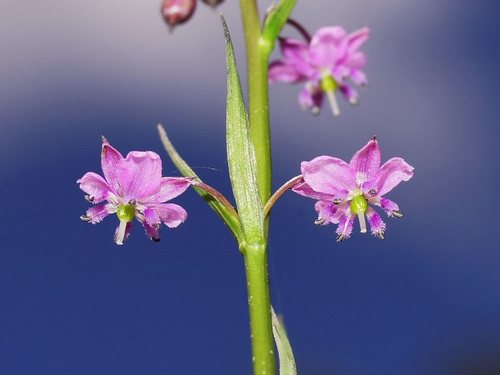
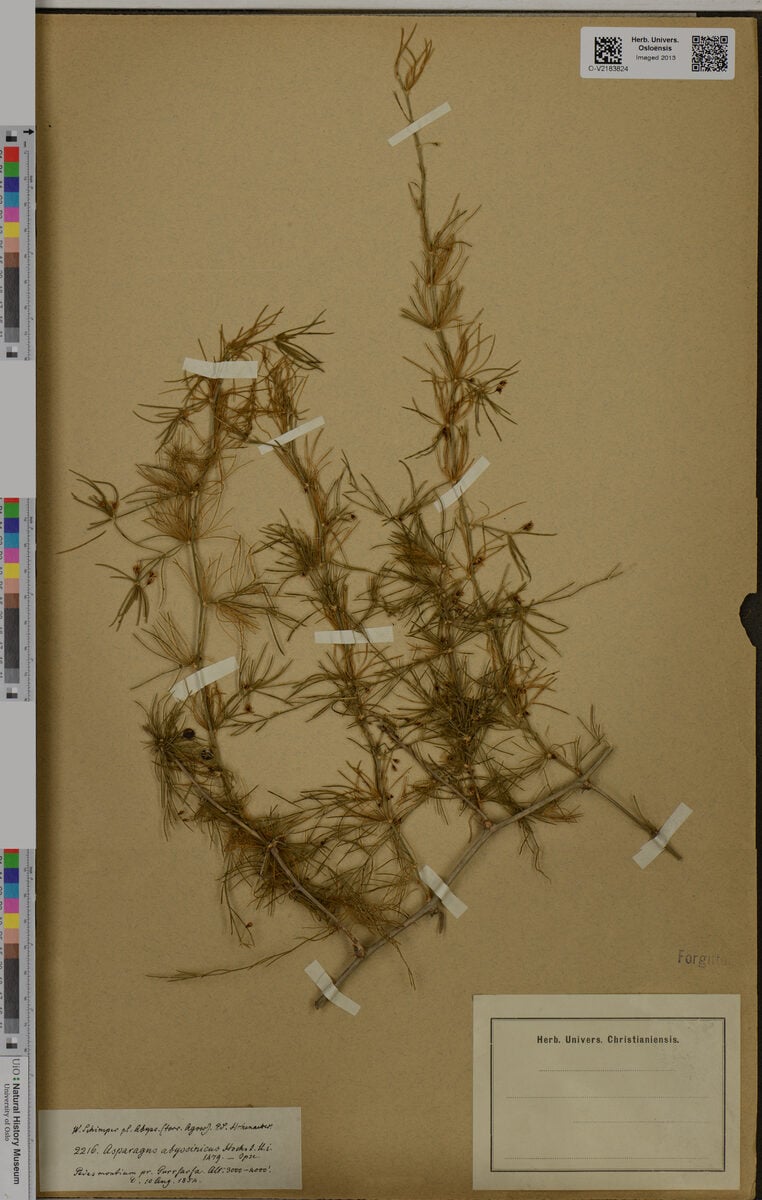
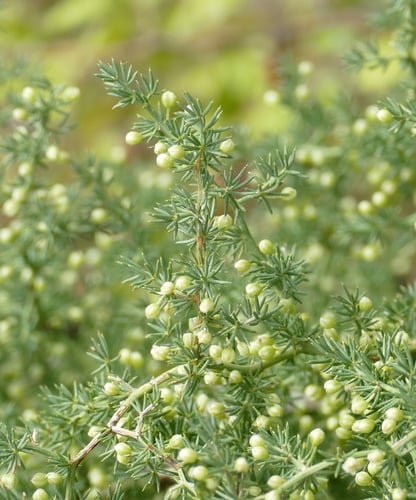
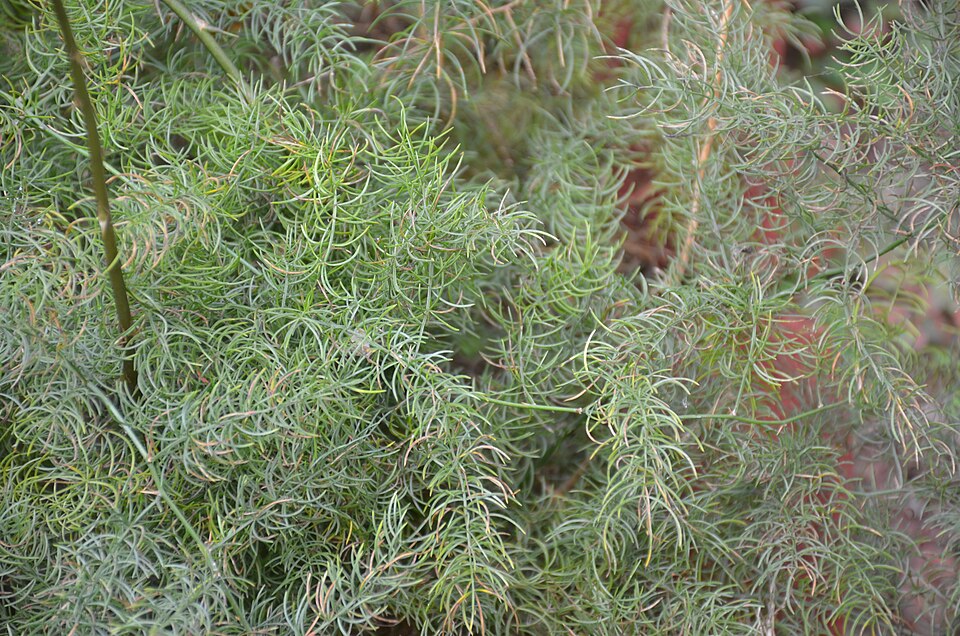
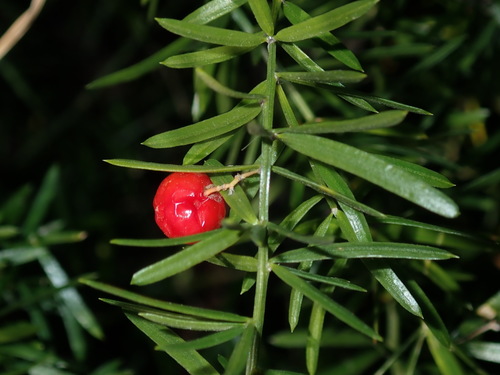
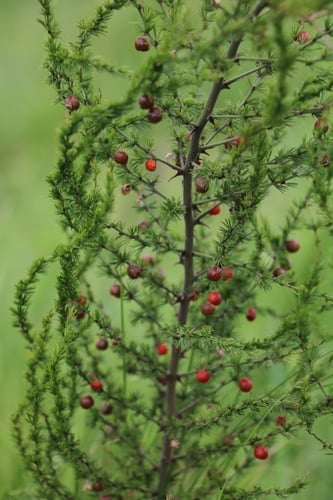
A herb. The stems are erect and 1 m tall. There are lines along it towards the end. The branches are angled and can have narrow wings. The flattened part coming from the stem are in groups of 3 or 4. The flowers are of both sexes in clusters or 2-4. The fruit is a red berry 6 mm across.
Edible Uses
Edible Parts: Shoots Stem Edible Uses: Young shoots - cooked.
Medicinal Uses
Anodyne Antitussive Expectorant The dried root, decocted with other herbs, is anodyne, antitussive and expectorant. This species is used as a substitute for Cynanchum stauntoni.
Distribution
It is a temperate plant. It grows on grassy slopes between 400-2,300 m above sea level in north China.
Where It Grows
Asia, Australia, China, Japan, Korea, Mongolia, Russia, Siberia,
Cultivation
We have very little information on this species and do not know if it will be hardy in Britain, though judging by its native range it should succeed outdoors in many parts of this country. The following notes are based on the general needs of the genus. Easily grown in any good garden soil. Prefers a rich sandy loam. Dioecious. Male and female plants must be grown if seed is required.
Propagation
Seed - pre-soak for 12 hours in warm water and then sow in spring or as soon as the seed is ripe in early autumn in a greenhouse. It usually germinates in 3 - 6 weeks at 25°c. Prick out the seedlings into individual pots when they are large enough to handle and grow them on in a sunny position in the greenhouse for their first winter. Plant them out into their permanent positions in late spring or early summer. Division in early spring as the plant comes into growth.
Other Uses
None known Special Uses
Synonyms
Also Known As
Hreed nud
References (6)
- Chen, B. & Qiu, Z., Consumer's Attitudes towards Edible Wild Plants, Ishikawa Prefecture, Japan. p 22 www.hindawi.com/journals/ijfr/aip/872413.pdf
- Hwang, H., et al, 2013, A Study on the Flora of 15 Islands in the Western Sea of Jeollanamdo Province, Korea. Journal of Asia-Pacific Biodiversity Vol. 6, No. 2 281-310
- Hwang, HS, et al, 2014, Distribution characteristics of plant in the Ungseokbong Mountain, Gyeongsangnam-do, Korea. Journal of Asia-Pacific Biodiversity. 7(2014) e164-e178
- Khasbagan, Yeruhan and Zhao Hui, 2011, Study on Traditional Knowledge of Wild Edible Plants Used by the Mongolians in Xilingol Typical Steppe Area. Plant Diversity and Resources. 33(2): 239-246
- Urgamal, M., Oyuntsetseg, B., Nyambayar, D. & Dulamsuren, Ch. 2014. Conspectus of the vascular plants of Mongolia. (Editors: Sanchir, Ch. & Jamsran, Ts.). Ulaanbaatar, Mongolia. p 49
Show all 6 references Hide references
- Wujisguleng, W., & Khasbagen. K., 2010, An integrated assessment of wild vegetable resources in Inner Mongolian Autonomous Region, China. Journal of Ethnobiology and Ethnomedicine 6:34