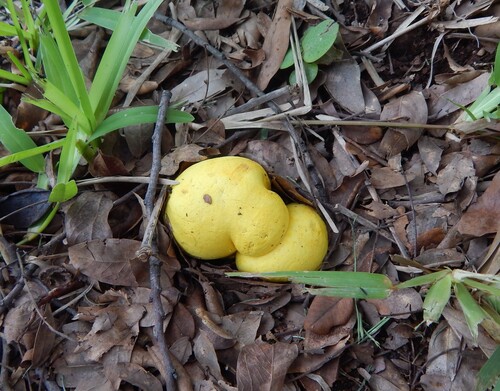
Leccinum manzanitae
Thiers
Manzanita bolete
iNaturalist· cc-by-nc
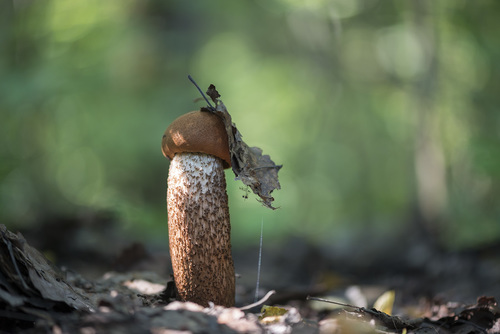
(c) Warren Cardimona, some rights reserved (CC BY-NC), uploaded by Warren Cardimona
iNaturalist· cc-by
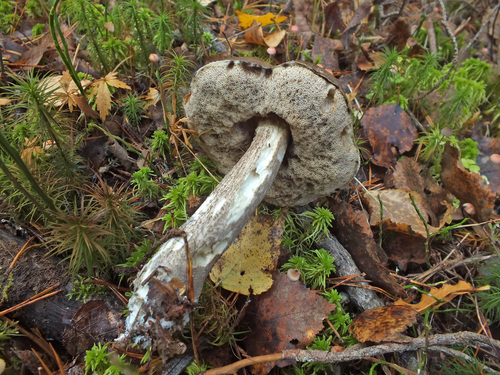
(c) Alan Rockefeller, some rights reserved (CC BY)
iNaturalist· cc-by
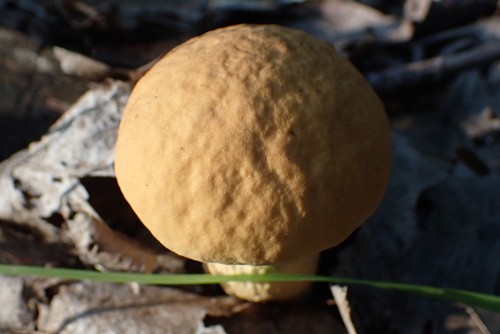
(c) Alan Rockefeller, some rights reserved (CC BY)
Summary
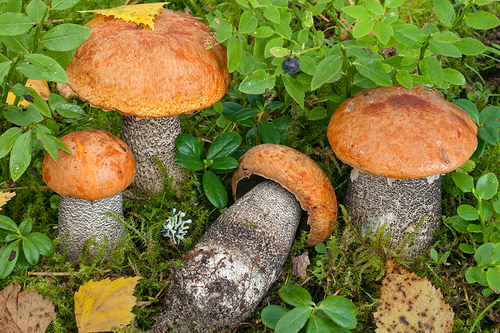
Source: WikipediaLeccinum manzanitae is a species of bolete fungus in the family Boletaceae. Described as new to science in 1971, it is commonly known as the manzanita bolete for its usual mycorrhizal association with manzanita trees. Its fruit bodies (mushrooms) have sticky reddish to brown caps up to 20 cm (8 in), and its stipes are up to 16 cm (6.3 in) long and 3.5 cm (1.4 in) thick. They have a whitish background color punctuated with small black scales known as scabers. L. manzanitae can be usually distinguished from other similar bolete mushrooms by its large size, reddish cap, dark scabers on a whitish stipe, and association with manzanita and madrone. Found only in the Pacific Northwest region of the United States and Canada, it is the most common Leccinum species in California. The mushroom is edible, although opinions vary as to its quality.
Description
A bolete mushroom in the Boletaceae family found in temperate California, typically associated with manzanita.
This description is brief — help expand it
Edible Uses
The mushroom fruiting body is eaten.
Distribution
It is a temperate plant. California.
Where It Grows
North America, USA,
References (2)
- http://www.mykoweb.com/CAF/edible.html
- Mycologia 63: 266. 1971.