Dicliptera laxata
C. B. Clarke
gbif· cc-by
Royal Botanic Gardens, Kew
gbif· cc-by
Royal Botanic Gardens, Kew
gbif· cc-by
Royal Botanic Gardens, Kew
Description
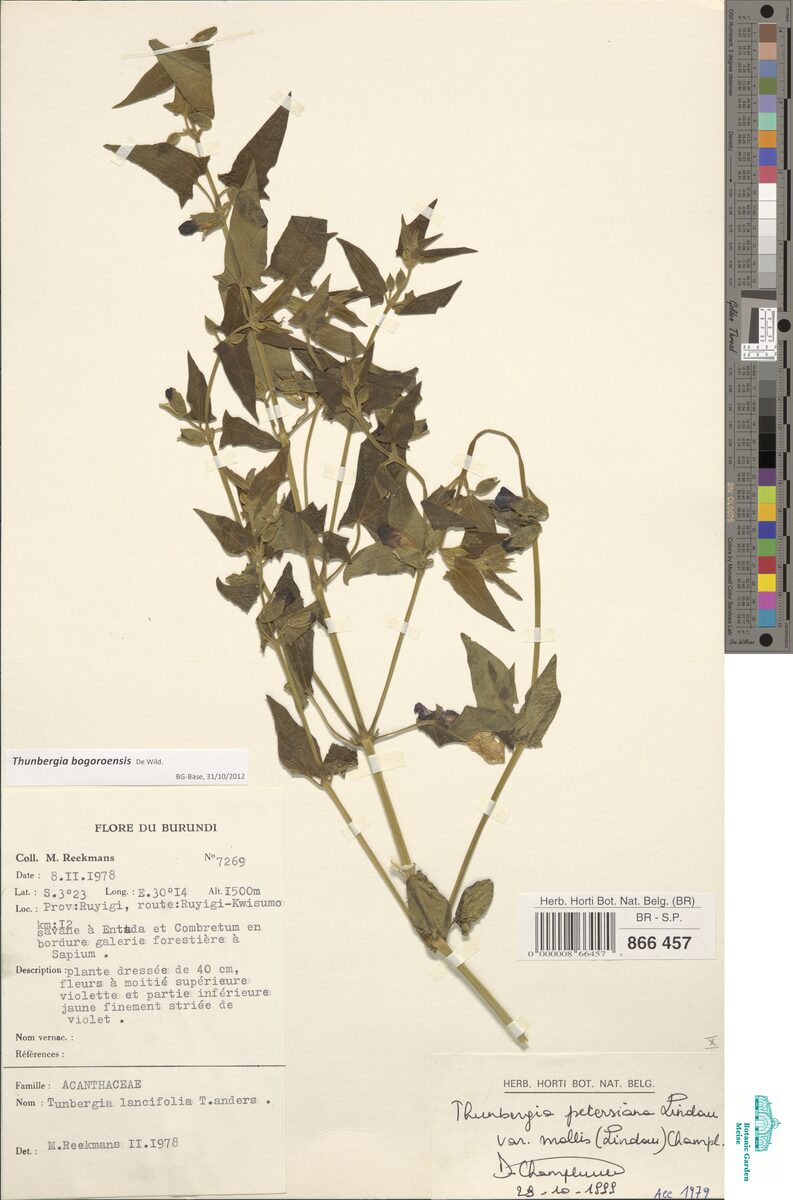
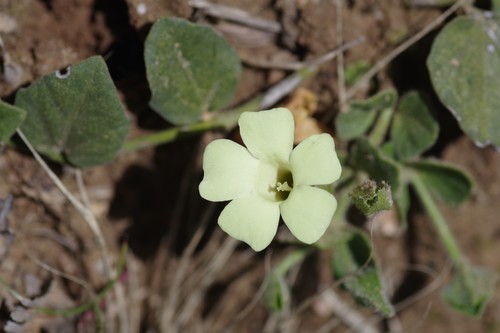
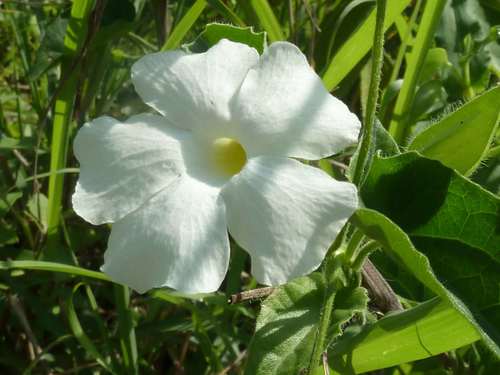
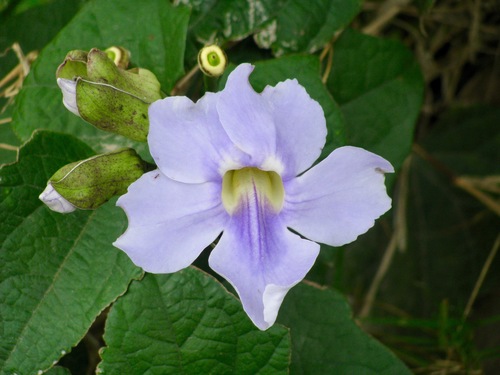
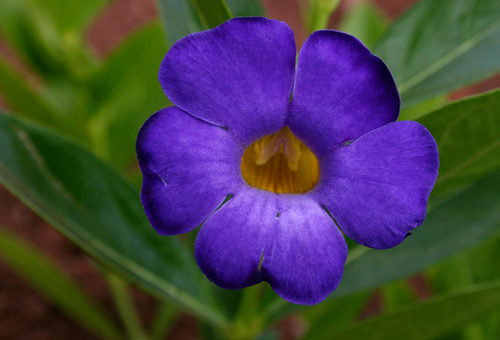
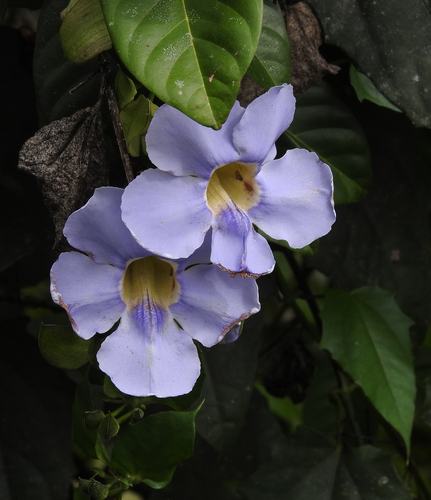
A straggling herb or small shrub. It keeps growing from year to year. It grows 1-5 m tall. The leaves are opposite and narrowly oval. They taper towards both ends. They are dark green. The flowers are in stalked clusters. There are a rind of green floral bracts around them. Each flower has 2 bracts. The flowers are tube shaped and white or pink. There are purple streaks. The fruit is an oval capsule about 1 cm long. It has 4 round black seeds.
Edible Uses
The tender leaves are cooked as a vegetable, typically prepared with coconut milk or ground peanuts added.
Traditional Uses
The leaves are used as a vegetable. The tender leaves are cooked and coconut milk or ground peanuts are added.
This uses section is brief — help expand it
Medicinal Uses
The plant is used as a remedy for general debility. A macerate in hot water is reported to result in a blood-like liquid. The roots are used to treat stomach-aches and coughs.
Distribution
It is a tropical plant. It grows in the high forest often in deep shade. It grows between 1,500-2,300 m above sea level.
Where It Grows
Africa, East Africa, Ethiopia, Kenya, Mozambique, Nigeria, Tanzania, Uganda,
Production
Leaves are harvested in the rainy season. The leaves can be dried and stored for a year.
Also Known As
Nyamtitu
References (3)
- Grubben, G. J. H. and Denton, O. A. (eds), 2004, Plant Resources of Tropical Africa 2. Vegetables. PROTA, Wageningen, Netherlands. p 561
- Ruffo, C. K., Birnie, A. & Tengnas, B., 2002, Edible Wild Plants of Tanzania. RELMA p 268
- World Checklist of Useful Plant Species 2020. Royal Botanic Gardens, Kew