Tylopilus felleus
(Bull.) P. Karst.
Bitter bolete
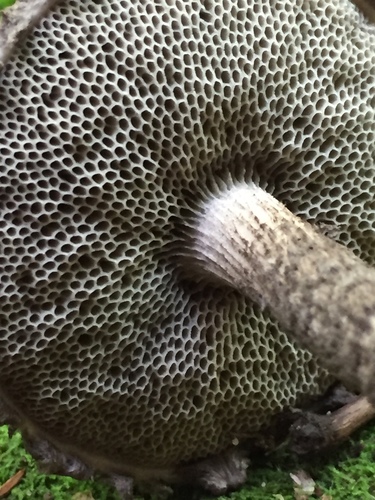
iNaturalist· cc-by-nc
(c) Federico Calledda, some rights reserved (CC BY-NC), uploaded by Federico Calledda
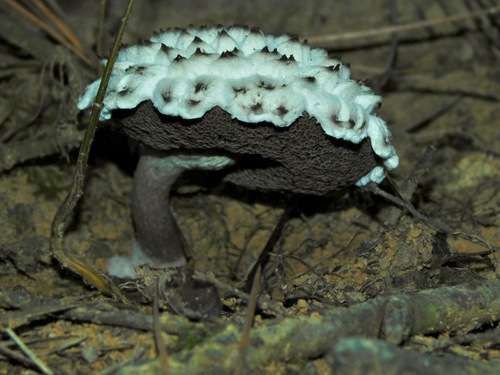
iNaturalist· cc-by
(c) Daniel Ghyselinck, some rights reserved (CC BY), uploaded by Daniel Ghyselinck
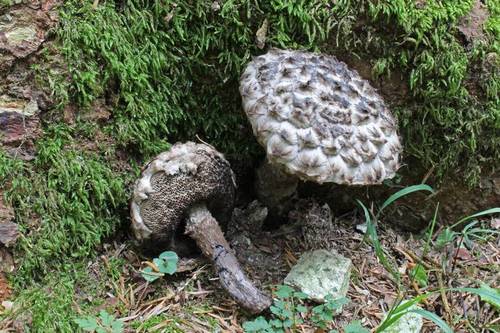
iNaturalist· cc-by
(c) Thomas Dreux, some rights reserved (CC BY), uploaded by Thomas Dreux
Summary
Source: WikipediaTylopilus felleus, commonly known as the bitter bolete or the bitter tylopilus, is a fungus of the bolete family. French mycologist Pierre Bulliard described this species as Boletus felleus in 1788 before it was transferred into the new genus Tylopilus. It is the type species of Tylopilus and the only member of the genus found in Europe. The fruit bodies have convex to flat caps that are some shade of brown, buff or tan and typically measure up to 15 cm (6 in) in diameter. The pore surface is initially white before turning pinkish with age. Like most boletes it lacks a ring and it may be distinguished from Boletus edulis and other similar species by its unusual pink pores and the prominent dark-brown net-like pattern on its stalk. Its distribution includes east Asia, Europe and eastern North America, extending south into Mexico and Central America. A mycorrhizal species, it grows in deciduous and coniferous woodland, often fruiting under beech and oak. It has been the subject of research into bioactive compounds that have been tested for antitumour and antibiotic properties. Although not poisonous it is generally considered inedible owing to its overwhelming bitterness.
Description
A tropical mushroom fungus, often found growing in Acacia auriculiformis plantations in Thailand.
This description is brief — help expand it
Edible Uses
While technically edible, this mushroom is bitter and therefore not particularly attractive for culinary use.
Traditional Uses
It is bitter therefore not particularly attractive.
This uses section is brief — help expand it
Distribution
It is a tropical plant. It often grows in Acacia auriculiformis plantations in Thailand.
Where It Grows
Asia, Indochina, Mexico, North America, SE Asia, Thailand,
References (3)
- Boa, E. R., 2004, Wild edible fungi and their importance to people. FAO Non Wood Forest Products Booklet 17
- Hall, I. R., et al, 2003, Edible and Poisonous Mushrooms of the World. Timber Press. p 234
- http://www.worldagroforestrycentre.org/sea/products/afdbases/af In notes about Acacia auriculiformis.