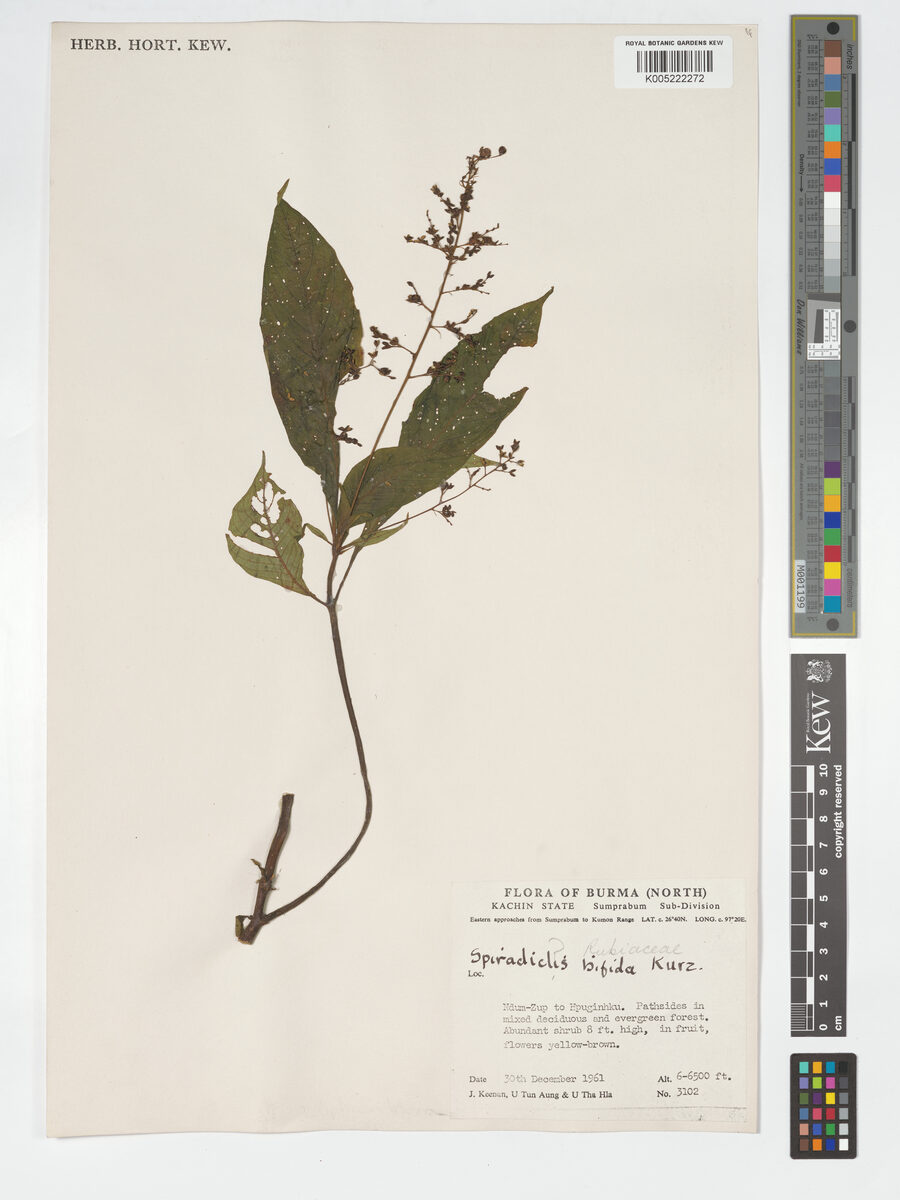
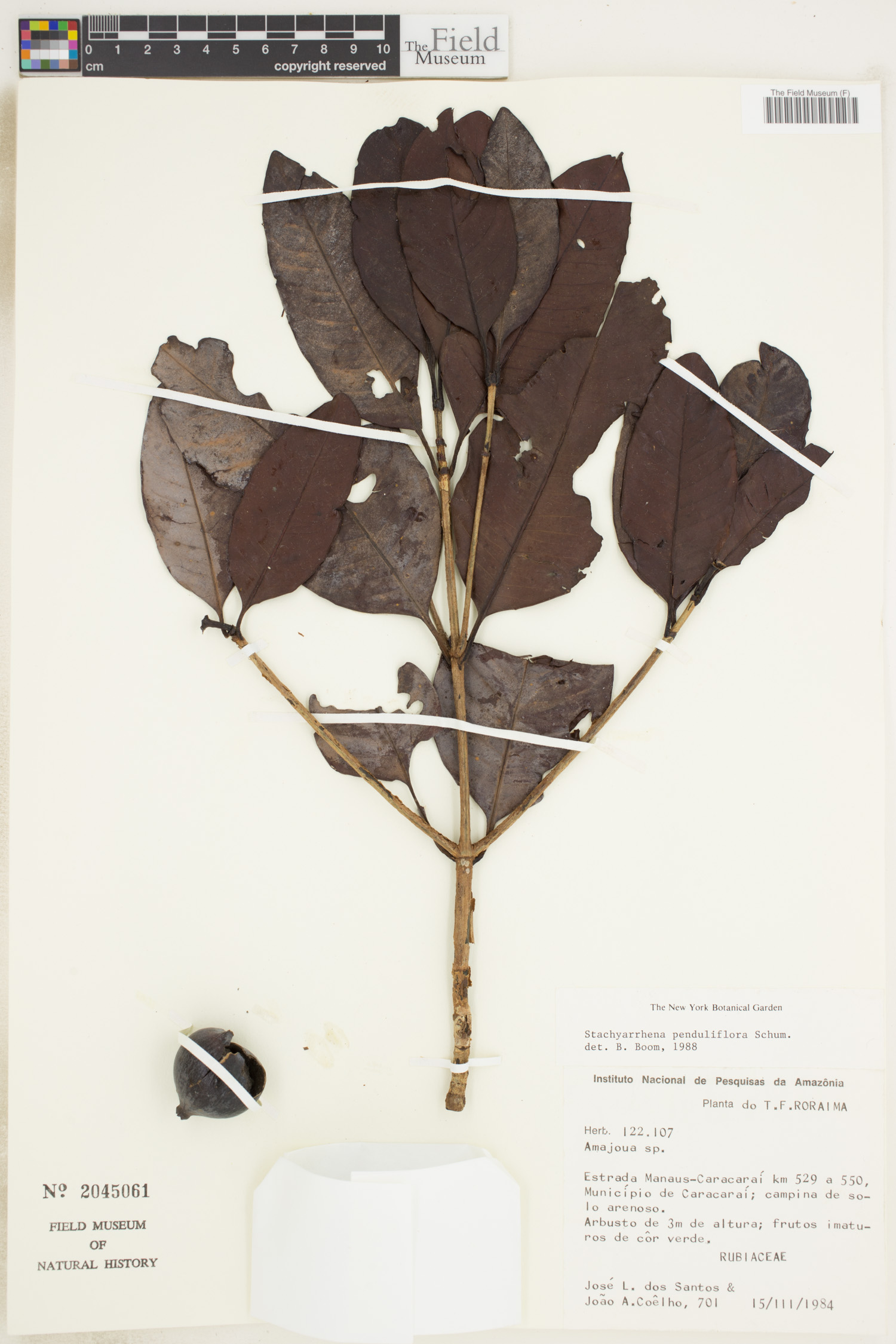
Morinda morindoides
(Baker) Milne-Redh.
Brimstone
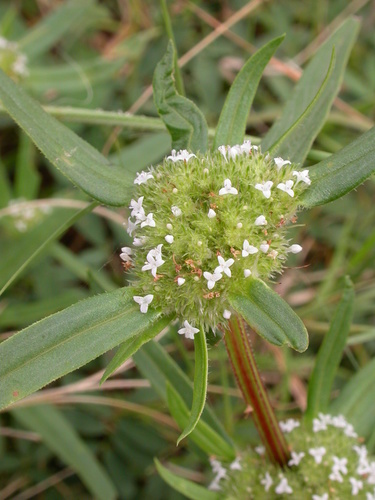
iNaturalist· cc-by-nc
(c) salvator, some rights reserved (CC BY-NC)
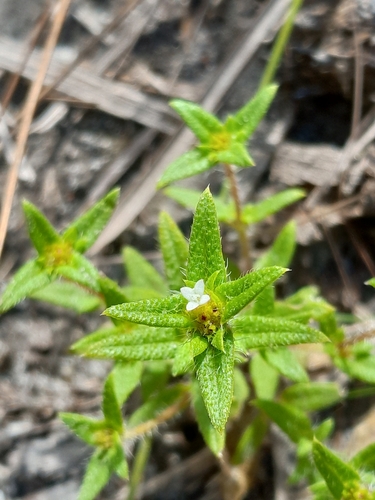
iNaturalist· cc-by-nc
(c) John P, some rights reserved (CC BY-NC)
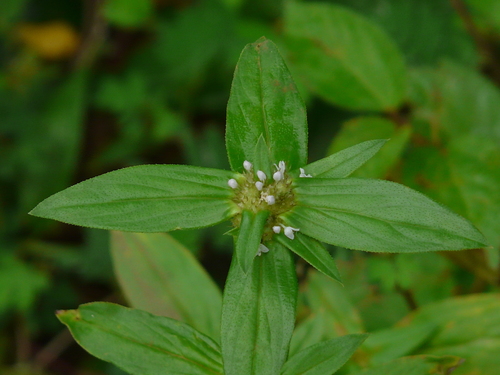
iNaturalist· cc-by-nc
(c) John P, some rights reserved (CC BY-NC)
Description
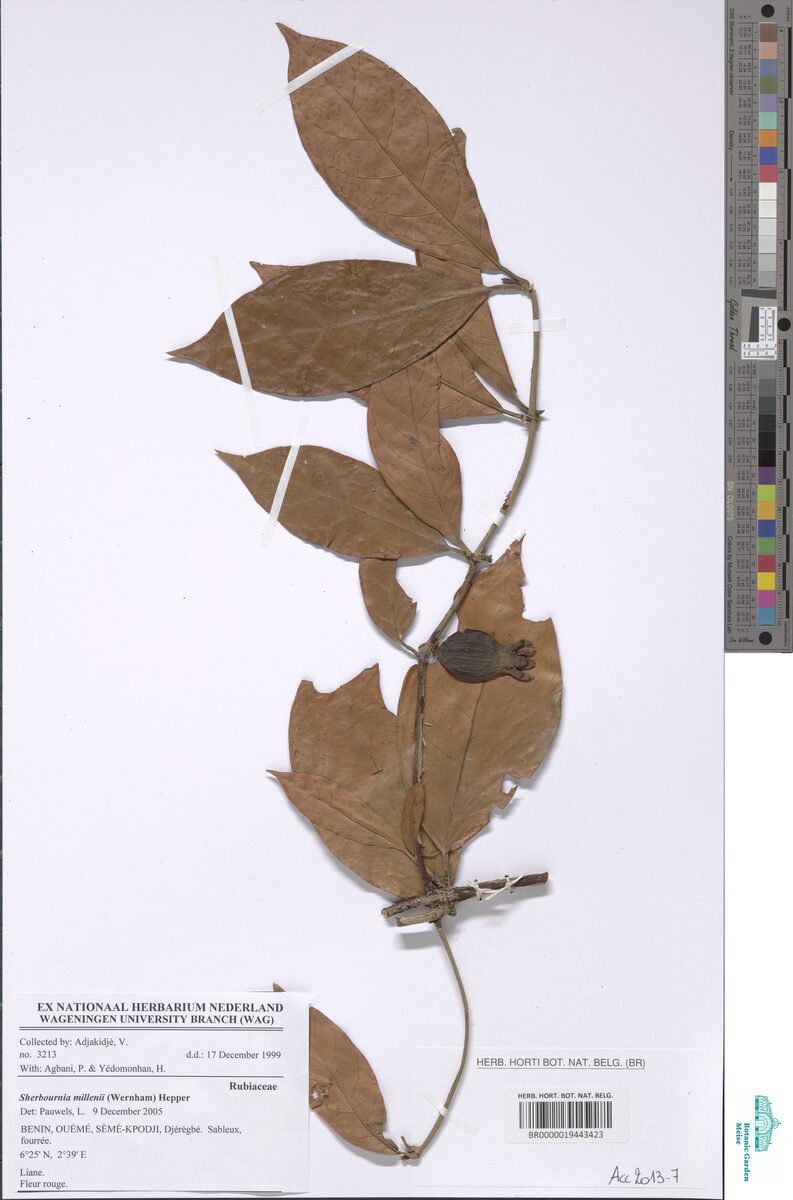
A woody creeper or shrub in the Rubiaceae family, capable of reaching 10 m tall, found on the edges of forests and woodlands, often near tropical coasts. The plant produces both edible leaves and fruit.
Edible Uses
The leaves are cooked and used as a substitute for tea, and the fruit are eaten fresh.
Traditional Uses
The leaves are cooked and used as a substitute for tea. The fruit are eaten fresh.
This uses section is brief — help expand it
Medicinal Uses
Used traditionally as medicine with anti-oxidant properties and flavonoid content.
Distribution
It is a tropical plant. It grows on the edges of forests and woodland. It is often near the coast.
Where It Grows
Africa, Angola, Cameroon, Central Africa, Central African Republic, CAR, Congo DR, Côte d'Ivoire, Equatorial Guinea, Gabon, Ghana, Guinea, Guinée, Guinea-Bissau, Ivory Coast, Senegal, Sierra Leone, Sudan, West Africa,
Cultivation
Plants can be grown from seeds or cuttings.
Other Uses
The leaves and roots contain anthraquinone compounds used for red colouring.
Production
In Central African Republic flowers have been recorded January to March.
Notes
It is used as medicine. It has anti-oxidant properties and flavonoids.
Synonyms
Also Known As
Bink, Binnekaba, Bulinge, Kodudu, Kongobololo, Kumbololo, Manar bale, Mangala, Meso-nkama, Nkongobololo, N'tchetekamna-lankolo
References (6)
- Burkill, H. M., 1985, The useful plants of west tropical Africa. Vol 4
- Latham, P., 2004, Useful Plants of Bas-Congo province. Salvation Army & DFID p 196
- Lautenschläger, T., et al, 2018, First large-scale ethnobotanical survey in the province of Uíge, northern Angola. Journal of Ethnobiology and Ethnomedicine (2018) 14:51
- Nyadanu, D., et al, 2015, Agro-biodiversity and challenges of on-farm conservation: the case of plant genetic resources of neglected and underutilized crop species in Ghana. Genet. Resourc. Crop Evol. 62(7):
- Termote, C., et al, 2011, Eating from the wild: Turumbu, Mbole and Bali traditional knowledge of non-cultivated edible plants, District Tshopo, DRCongo, Gen Resourc Crop Evol. 58:585-618
Show all 6 references Hide references
- World Checklist of Useful Plant Species 2020. Royal Botanic Gardens, Kew