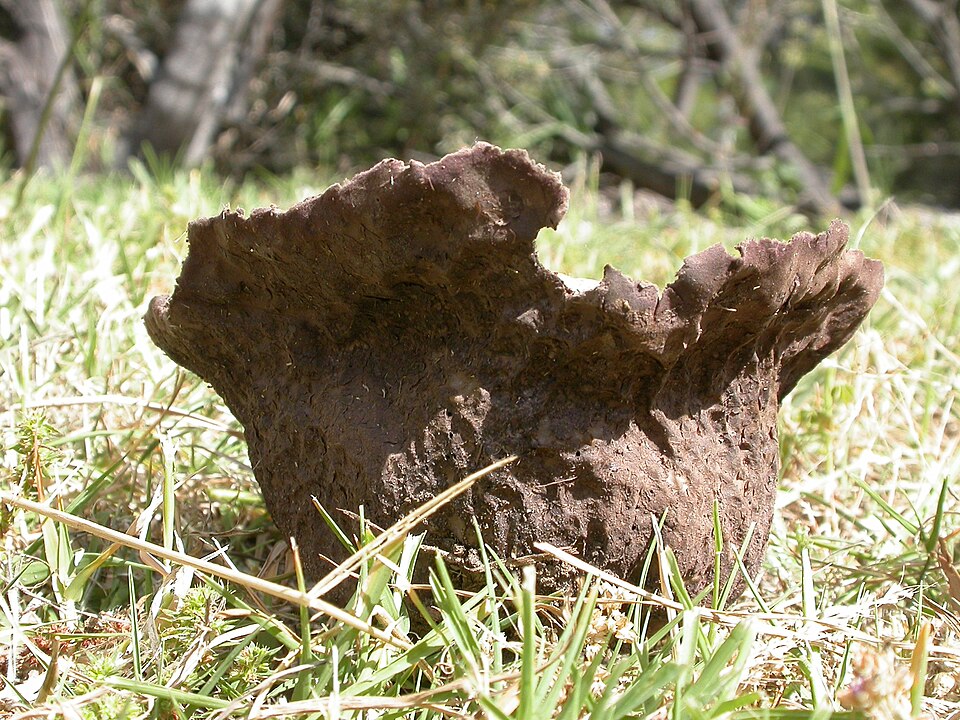
Lycoperdon umbrinum
Pers. : Pers.
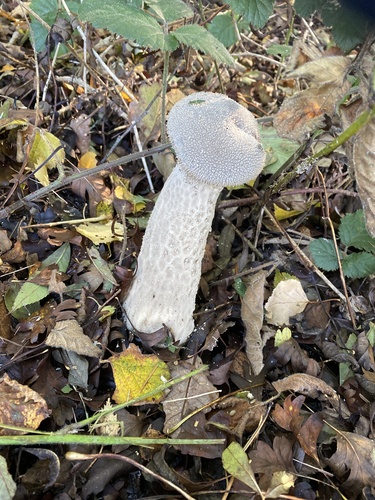
iNaturalist· cc-by-nc
(c) Adam Bryant, some rights reserved (CC BY-NC), uploaded by Adam Bryant
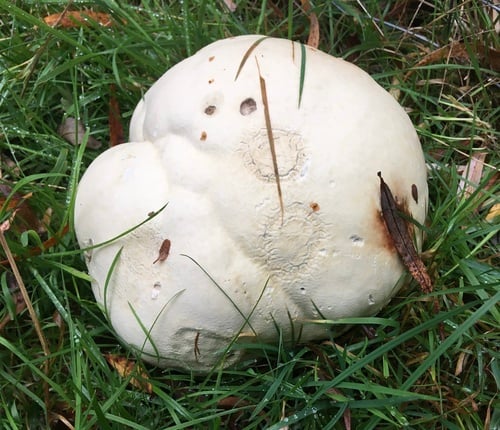
iNaturalist· cc-by-nc
(c) Chris Shuck, some rights reserved (CC BY-NC), uploaded by Chris Shuck
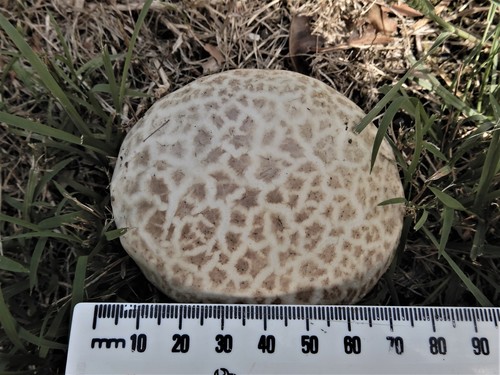
iNaturalist· cc-by-nc
(c) d w borland, some rights reserved (CC BY-NC), uploaded by d w borland
Summary
Source: WikipediaLycoperdon umbrinum, commonly known as the umber-brown puffball, is a type of Puffball mushroom in the genus Lycoperdon. It is a saprophyte, and grows mainly in coniferous forests. It is found in China, Europe, Africa, and North America.
Description
Lycoperdon umbrinum is a mushroom fungus found in temperate regions belonging to the puffball family (Lycoperdiaceae).
This description is brief — help expand it
Edible Uses
The mushroom fruiting body is edible.
Medicinal Uses
Lycoperdon umbrinum is edible and has been found to have some medicinal purposes. This mushroom has historically been used by the Mam ethnic group in Mexico. They call it “wutz anim” or “dead’s eye” which they use to keep away the evil eye. They typically prepare it by boiling and eat it by itself or with other plants. This group also uses it against asthma (creating a powder mixed with other plants) and additional uses that seem to overlap with the uses of baby powder. In some parts of the country, there is a mushroom gathering tradition (where these mushrooms are used for food, medicine, religious purposes, or for selling) that the whole family is a part of. In the lab, L. umbrinum has been found to have significant antibacterial properties and potentially antimicrobial properties. It was found that Aspergillus tamarii (an endophytic fungus) is associated with L. umbrinum through a mutualistic relation. A. tamarii, extracted from L. umbrinum, has significant antibacterial properties specifically on Salmonella typhi, Staphylococcus aureus, Bacillus subtilis, and Escherichia coli. L. umbrinum was also found to have antimicrobial activities against methicillin resistant Staphylococcus aureus (MRSA). Lycoperdon umbrinum and Trametes versicolor were found to inhibit the MRSA growth to the greatest degree (compared to the other fungi in the study) indicating that these species could hold a new source of antimicrobial properties to fight MRSA. Although it may have helpful antibacterial and antimibrobial properties, spore inhalation should be avoided. Inhalation of Lycoperdon spp. could cause lycoperdonosis, a reaction to inhalation or ingestion of puffball spores which can lead to unpleasant symptoms.
Distribution
It is a temperate plant.
Where It Grows
Europe, Finland, Mexico, Netherlands, North America, Scandinavia, Sweden,
References (3)
- Boa, E. R., 2004, Wild edible fungi and their importance to people. FAO Non Wood Forest Products Booklet 17
- Farfan B., et al, 2007, Mazahua Ethnobotany and Subsistence in the Monarch Butterfly Biosphere Reserve, Mexico. Economic Botany 61(2) pp 173-191
- www.plantnames.unimelb.edu.au