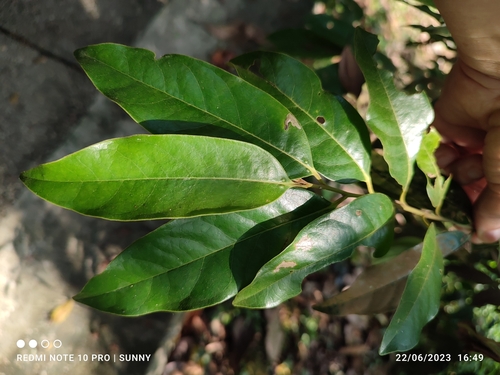
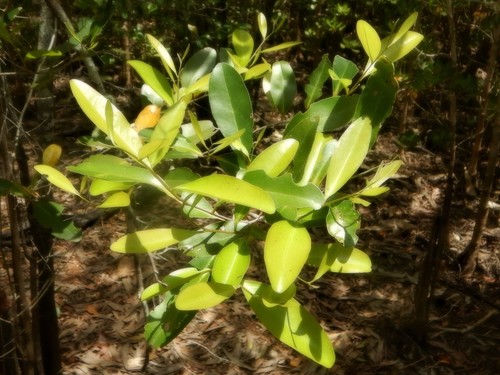
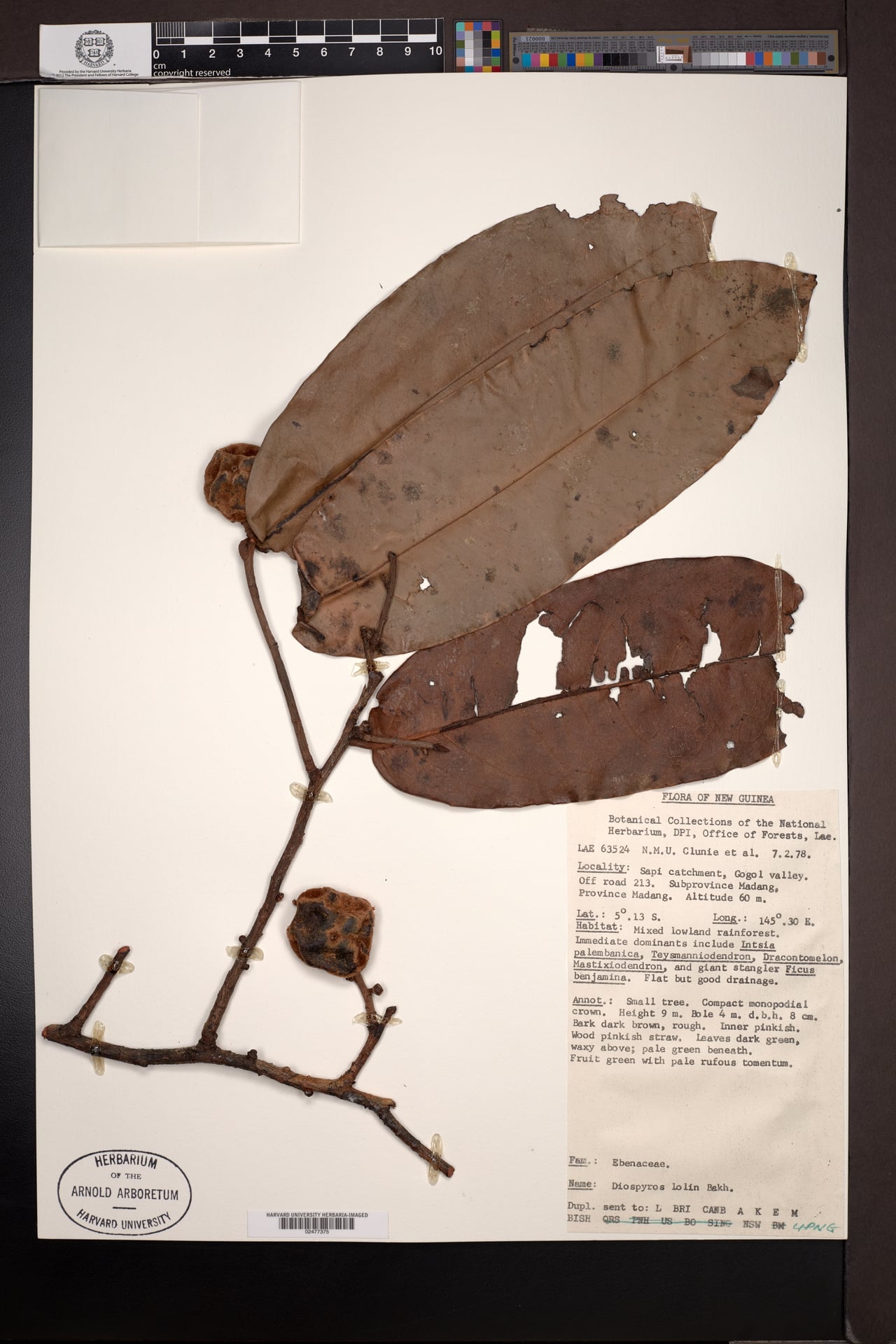
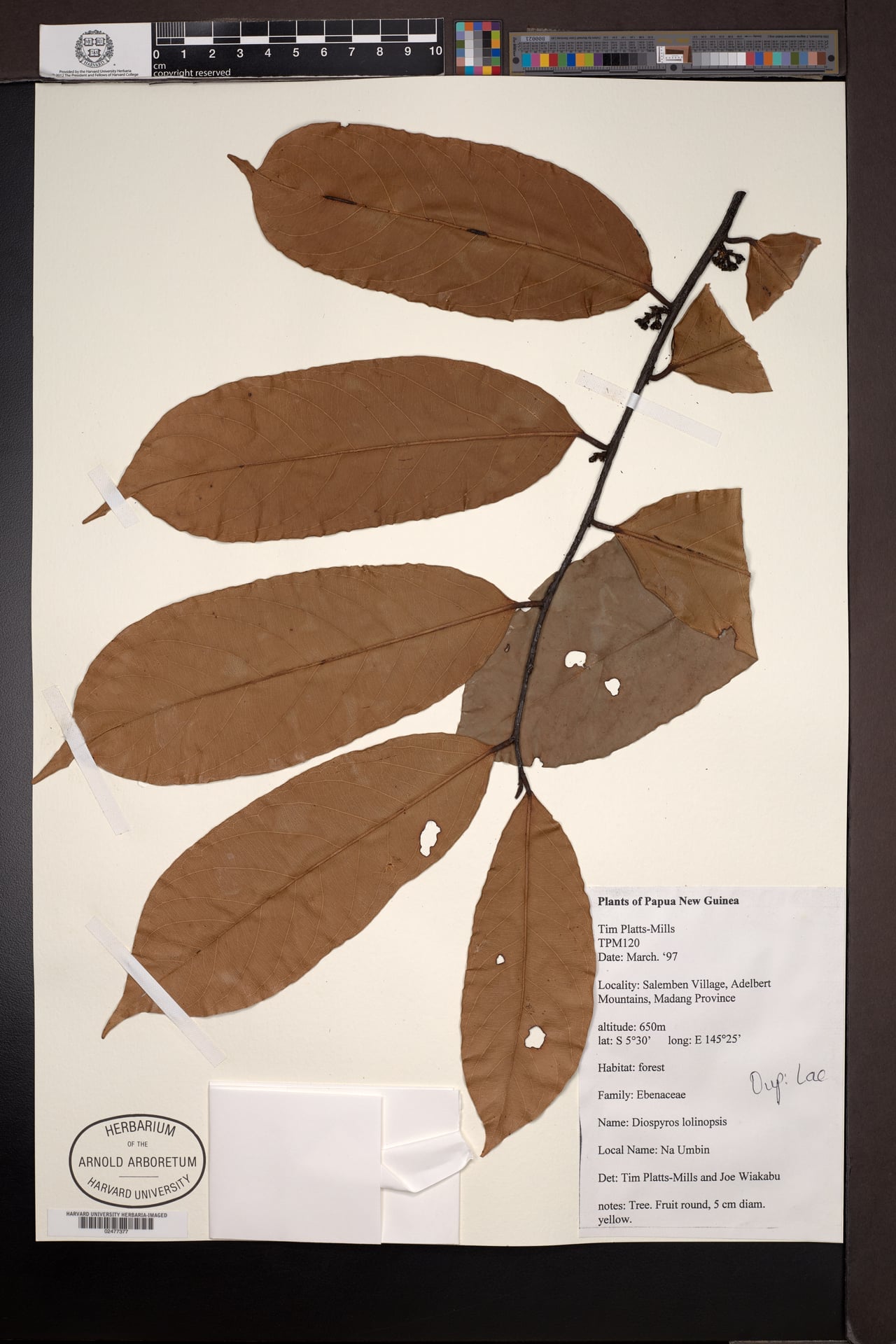
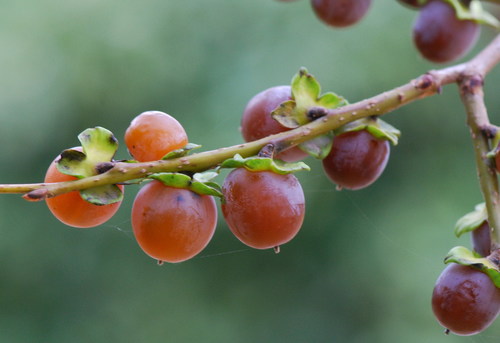
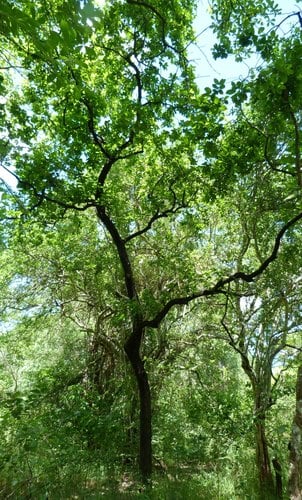
Diospyros acapulcensis subsp. verae-crucis
(Standl.) Provance, I. Garcia & A. C. Sanders
iNaturalist· cc-by-nc
(c) Carlos Domínguez-Rodríguez, some rights reserved (CC BY-NC), uploaded by Carlos Domínguez-Rodríguez
iNaturalist· cc-by-nc
(c) Oscar Angel Sánchez Flores, some rights reserved (CC BY-NC), uploaded by Oscar Angel Sánchez Flores
iNaturalist· cc-by-nc
(c) Carlos Domínguez-Rodríguez, some rights reserved (CC BY-NC), uploaded by Carlos Domínguez-Rodríguez
Summary
Source: WikipediaDiospyros acapulcensis is a species of tree in the family Ebenaceae. It is native to Central America.
Description
An erect shrub or tree. It grows 2-8 m high. The leaves are narrowly oval. They are 6-9 cm long. The fruit are green and 1 cm across.
This description is brief — help expand it
Edible Uses
The fruit are eaten, though they are also considered inedible by some accounts.
Traditional Uses
The fruit are recorded as eaten but are also considered inedible.
This uses section is brief — help expand it
Distribution
It is a tropical plant. It grows between 50-800 m above sea level. It is also at higher altitudes. It can grow in arid places.
Where It Grows
Africa, Belize, Central America, Costa Rica, El Salvador, Guatemala, Honduras, Mexico, North America, South Africa,
Synonyms
Also Known As
Cylil, Cyril, Pipinance, Tachona, Uchel che, Zapotillo
References (4)
- Cruz, I. M., et al, 2015, Edible fruits and seeds in the State of Mexico. Revista Mexicana de Ciencias Agricolas. Vol. 6. Num. 2 pp 331-346 (As Diopyros verae-crucis)
- Piedra-Malagón, E. M. et al, 2022, Edible native plants of the Gulf of Mexico Province. Biodiversity Data Journal 10: e80565 p 18
- Royal Botanic Gardens, Kew (1999). Survey of Economic Plants for Arid and Semi-Arid Lands (SEPASAL) database. Published on the Internet; http://www.rbgkew.org.uk/ceb/sepasal/internet [Accessed 16th April 2011]
- Segura, S., et al, 2018, The edible fruit species in Mexico. Genet Resour Crop Evol (2018) 65:1767–1793