Suaeda vermiculata
Forssk.
iNaturalist· cc-by-nc
(c) redhat, some rights reserved (CC BY-NC), uploaded by redhat
iNaturalist· cc-by-nc
(c) John Pereira, some rights reserved (CC BY-NC), uploaded by John Pereira
iNaturalist· cc-by-nc
(c) John Pereira, some rights reserved (CC BY-NC), uploaded by John Pereira
Summary
Source: WikipediaSuaeda vermiculata is a species of plant in the family Amaranthaceae (formerly classified under the Chenopodiaceae). It is a salt-tolerant plant (halophyte) that grows naturally in salt-affected areas.
Description
A shrub. It is large and fleshy and dark green. It grows 1 m tall. The leaves are 1.5 cm long by 0.5 cm wide. They only have a short stalk and are succulent. The flowers occur singly or in groups of 2-3.
Edible Uses
The succulent leaves are eaten.
Distribution
It is a Mediterranean plant. It can grow in salty soils. It can grow in arid places.
Where It Grows
Africa, Bahrain, Egypt, Kuwait, Middle East, North Africa, Qatar, Saudi Arabia, Yemen,
Notes
Also put in the family Chenopodiaceae.
Synonyms
Also Known As
Meliah
References (3)
- Karim, F. M. & Dakheel, A, J., 2006, Salt-tolerant plants of the United Arab Emirates. 2006. International Center for Biosaline Agriculture, Dubai, UAE.
- Royal Botanic Gardens, Kew (1999). Survey of Economic Plants for Arid and Semi-Arid Lands (SEPASAL) database. Published on the Internet; http://www.rbgkew.org.uk/ceb/sepasal/internet [Accessed 8th April 2011]
- World Checklist of Useful Plant Species 2020. Royal Botanic Gardens, Kew
More from Amaranthaceae
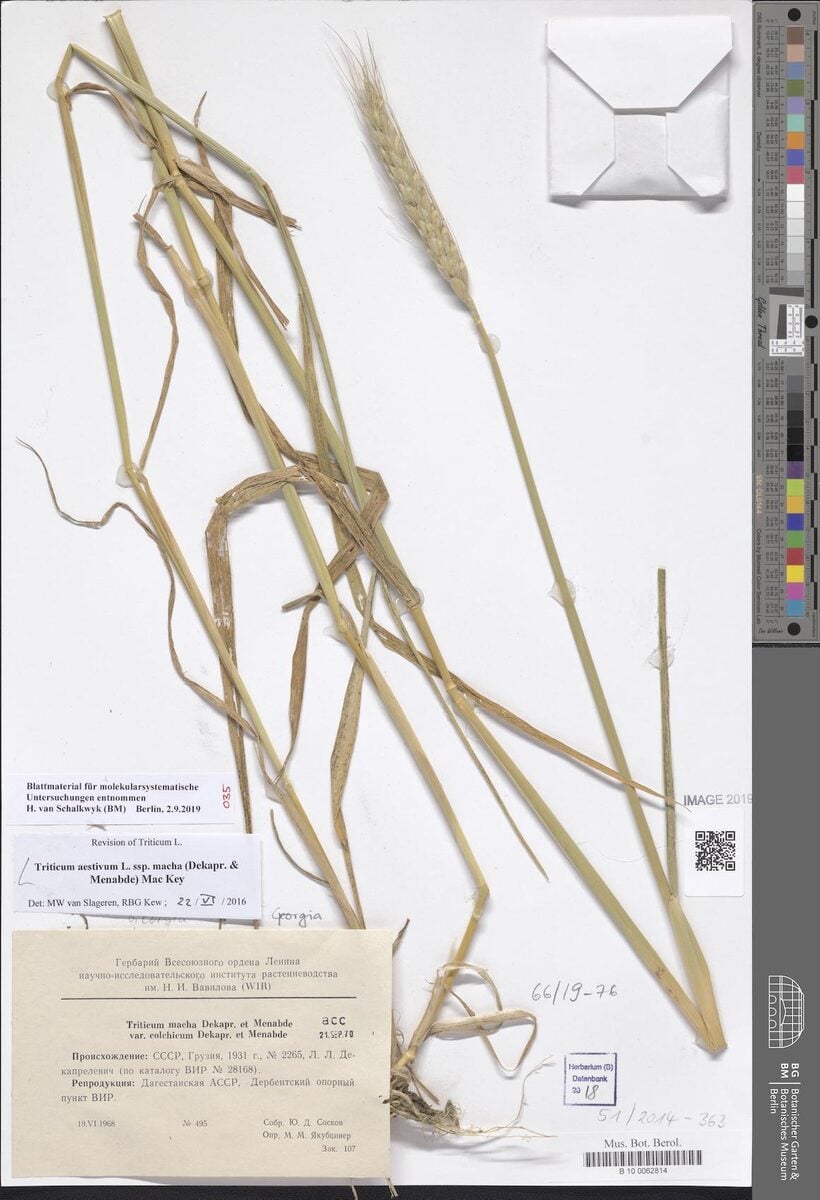
Triticum aestivum macha - (Dekapr.&A.M.Menabde.)Mackey.
Makha Wheat
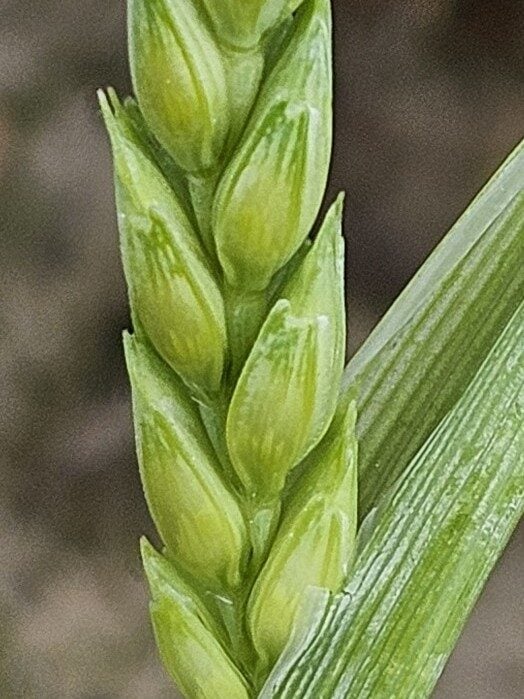
Triticum aestivum spelta - (L.)Thell.
Spelt Wheat
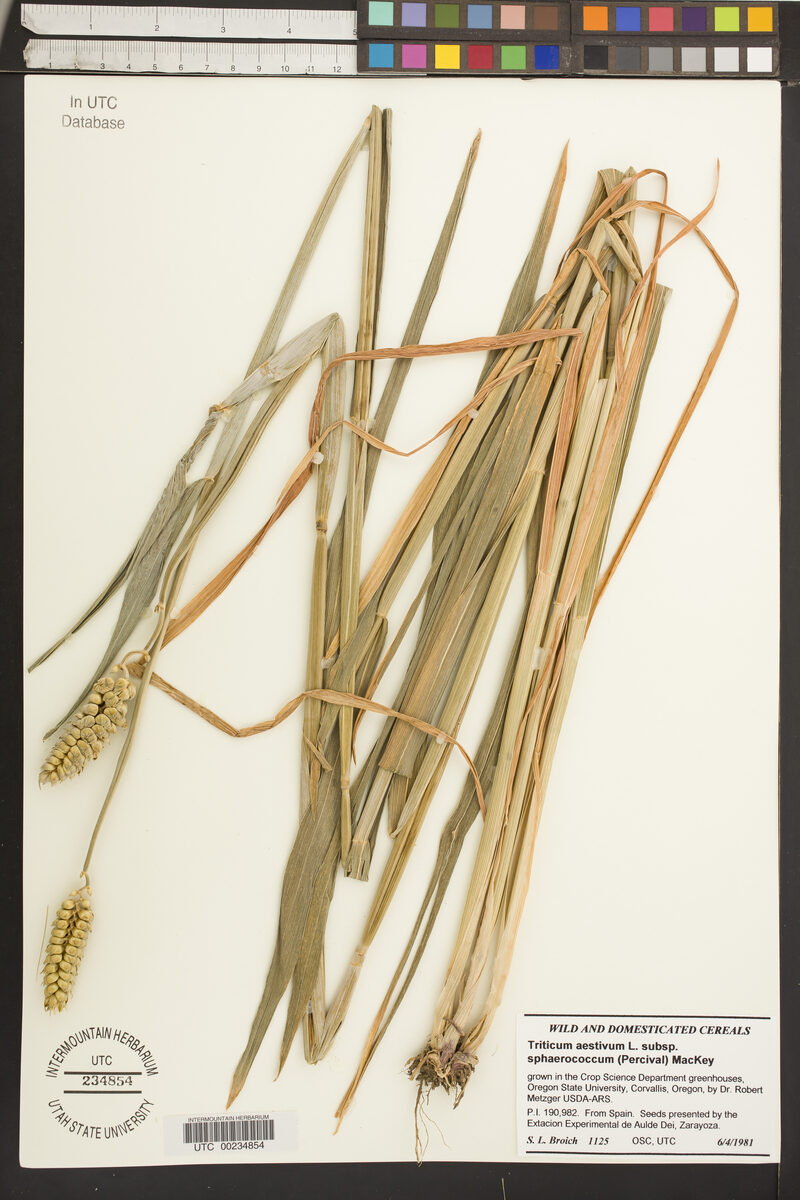
Triticum aestivum sphaerococcum - (Percival)Mackey.
Shot Wheat
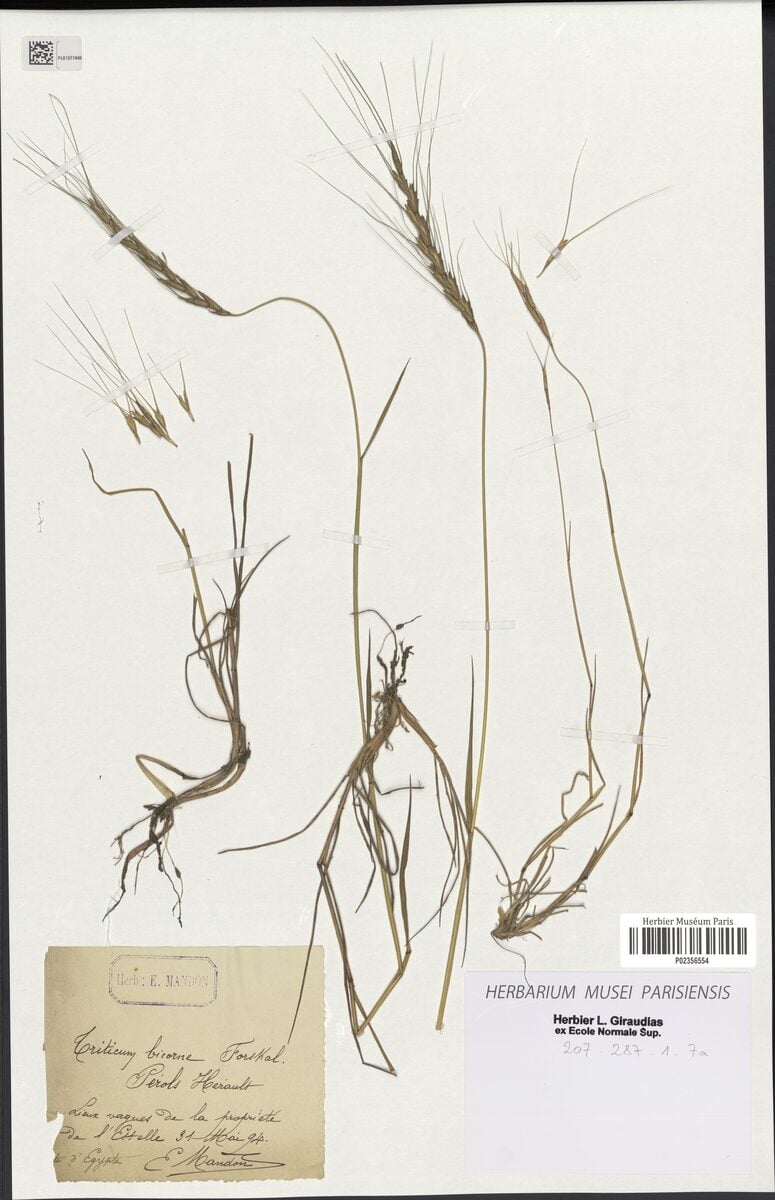
Triticum bicorne
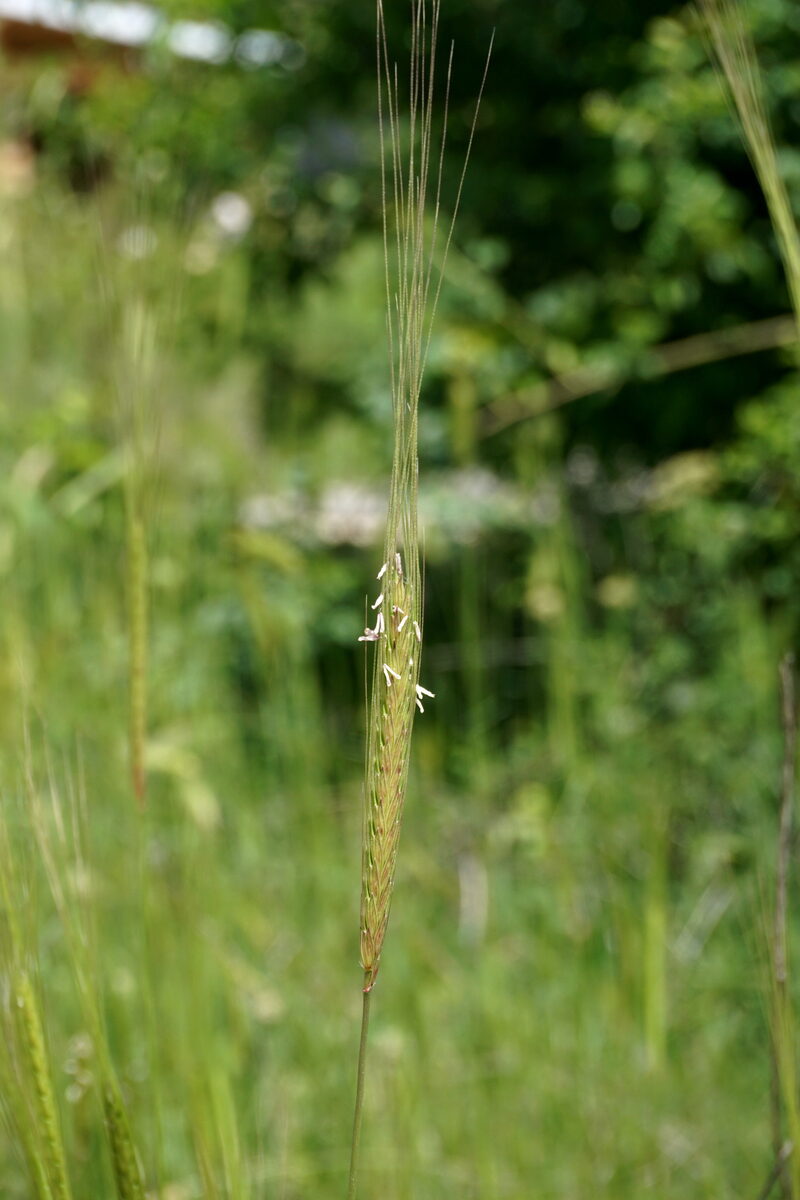
Triticum monococcum aegilopoides - (Link.)Thell.
Wild Einkorn
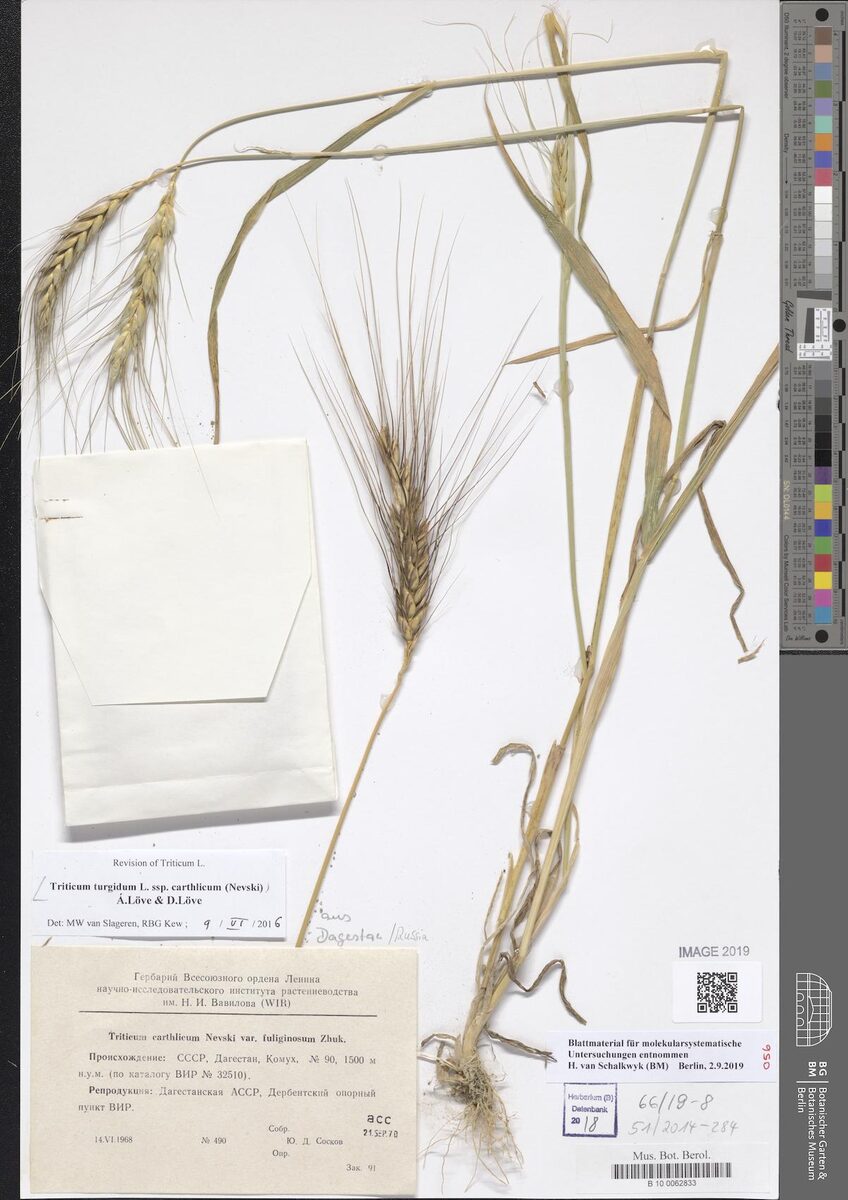
Triticum turgidum carthlicum - (Nevski.)Á.Löve.&D.Löve.
Persian Wheat