Cardamine amara
L.
Large bittercress
iNaturalist· cc-by-nc
(c) audulinka, some rights reserved (CC BY-NC), uploaded by audulinka
iNaturalist· cc-by-nc
(c) Denys Davydov, some rights reserved (CC BY-NC), uploaded by Denys Davydov
iNaturalist· cc-by-nc
(c) wolff christiane, some rights reserved (CC BY-NC), uploaded by wolff christiane
Summary
Source: WikipediaCardamine amara, known as large bitter-cress, is a species of flowering plant in the family Brassicaceae. It is a perennial with upright, mostly unbranched, stems to 70 cm (28 in) tall, and leaves made up of between three and 13 leaflets. The flowers have petals that are 8–14 mm (0.3–0.6 in) long and are generally white, although sometimes pink or purple. It is found in damp places.
Description
A cabbage family herb. It keeps growing from year to year with runners. It grows 20-40 cm tall. The stems have a few branches. The leaves are along the stem and are alternate. The lower leaves have long stalks. The flowers are white and 1.5 cm across. They have 4 petals. The fruit are slim flat pods.
Edible Uses
The leaves are eaten raw and have a hot, cress-like flavour with a somewhat bitter edge. They are pleasant in small quantities in a salad and are available year-round in most years.
Traditional Uses
The young leaves are used in salads. They are bitter.
This uses section is brief — help expand it
Medicinal Uses
The plant is antiscorbutic, diuretic, and stimulant.
Distribution
It is a temperate plant. It grows in humid places near springs. It grows in swamps and along shorelines.
Where It Grows
Asia, Balkans, Britain, Bulgaria, Estonia, Europe, Finland, France, Germany, Hungary, Ireland, Italy, Luxembourg, Mediterranean, Scandinavia, Slovakia,
Cultivation
Easily grown in most moist soils. Prefers a moist humus rich soil in shade or semi-shade. Plants are hardy to at least -20°c. An invasive plant spreading freely by self-sowing, it is best suited to the wild garden. A polymorphic species.
Propagation
Sow seed outdoors in situ in a shady position in April.
Other Uses
None known.
Notes
There are about 150-180 Cardamine species. They are mostly in damp places in temperate regions. Many varieties are listed.
Also Known As
Gorchiva gorva, Kressid, Rezucha, Salat, Vizitorma, Zerucha
More from Brassicaceae
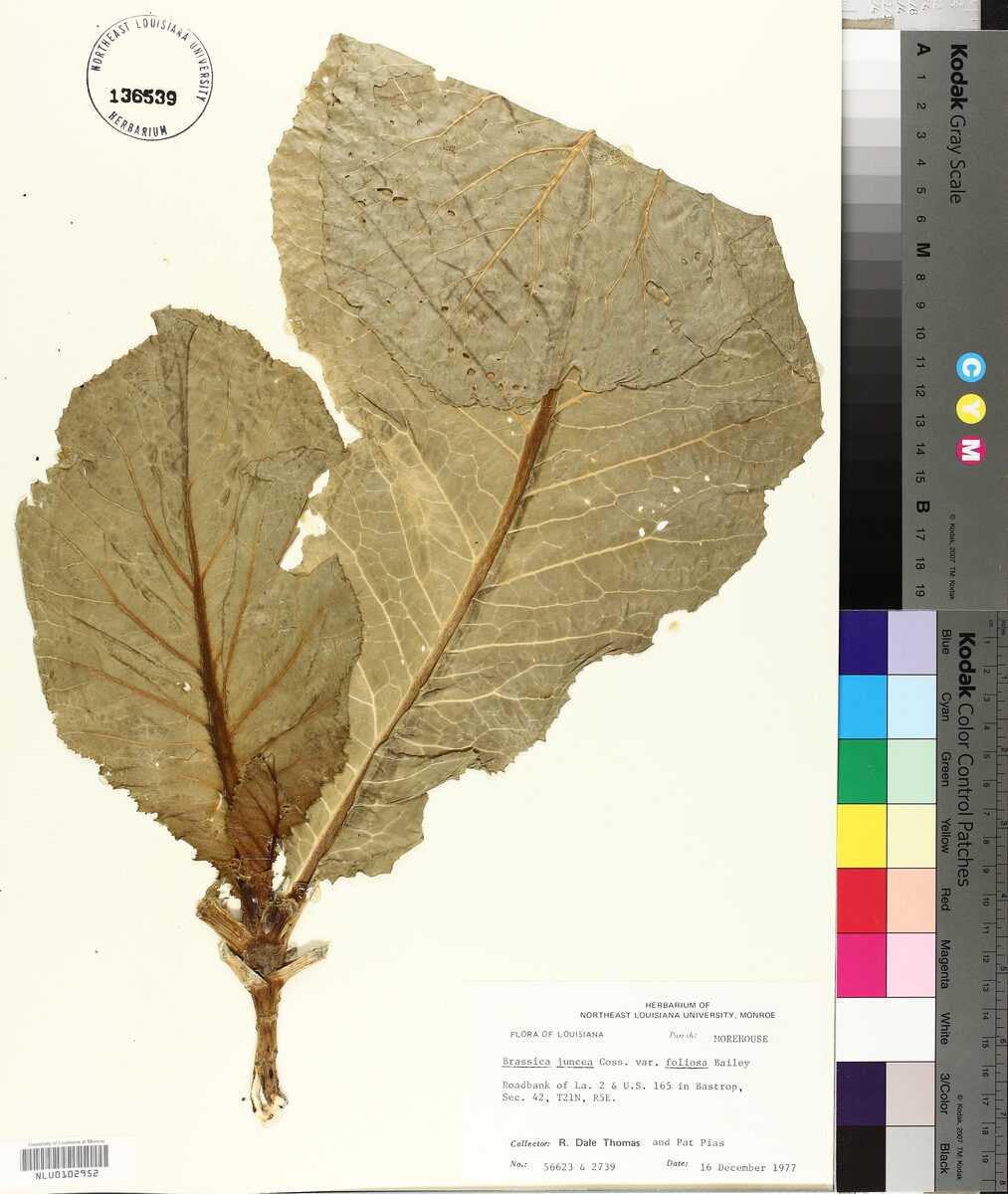
Brassica juncea foliosa
Leaf Mustard
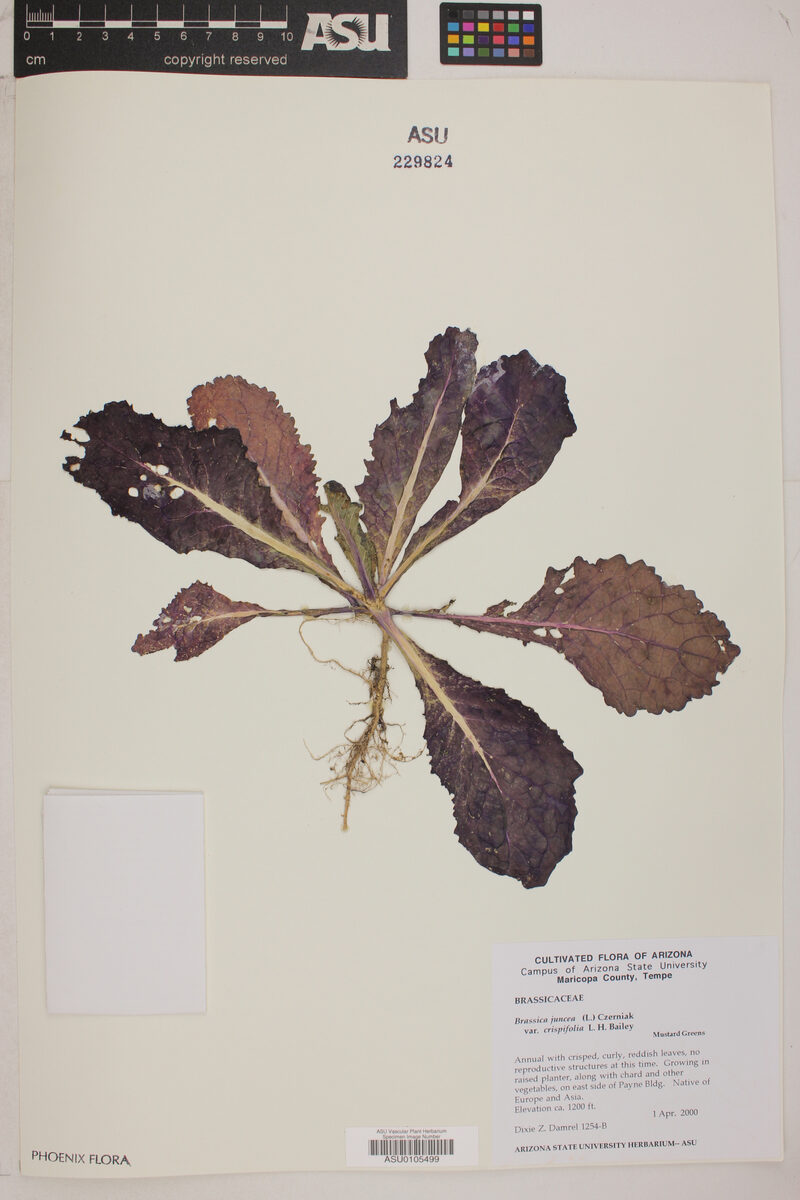
Brassica juncea integrifolia crispifolia
Curled Mustard
Brassica juncea integrifolia rugosa - (Roxb.) M.Tsen & S.H.Lee
Head Mustard
Brassica juncea integrifolia strumata
Large Petiole Mustard
Brassica juncea integrifolia subintegrifolia
Leaf Mustard
Brassica juncea multiceps
Green In The Snow