Afrocanthium mundianum
(Cham. & Schlechtldl.) Lantz
Rock alder
iNaturalist· cc-by-nc
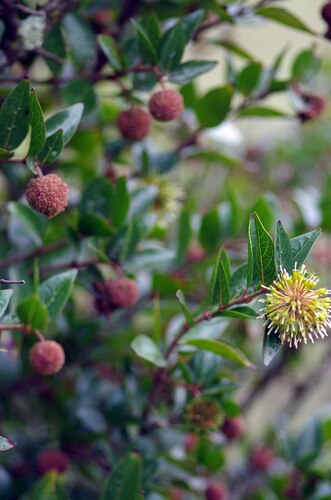
(c) R.Lecuona, some rights reserved (CC BY-NC), uploaded by R.Lecuona
iNaturalist· cc-by
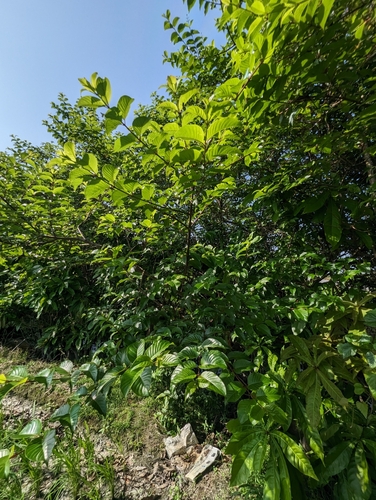
(c) Henry de Lange, some rights reserved (CC BY), uploaded by Henry de Lange
iNaturalist· cc-by-nc
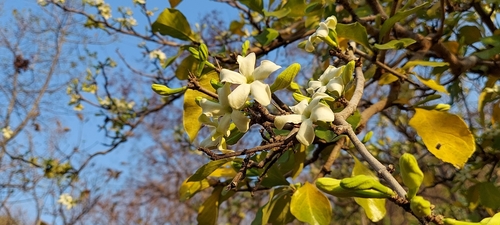
(c) claudsmoore, some rights reserved (CC BY-NC)
Description
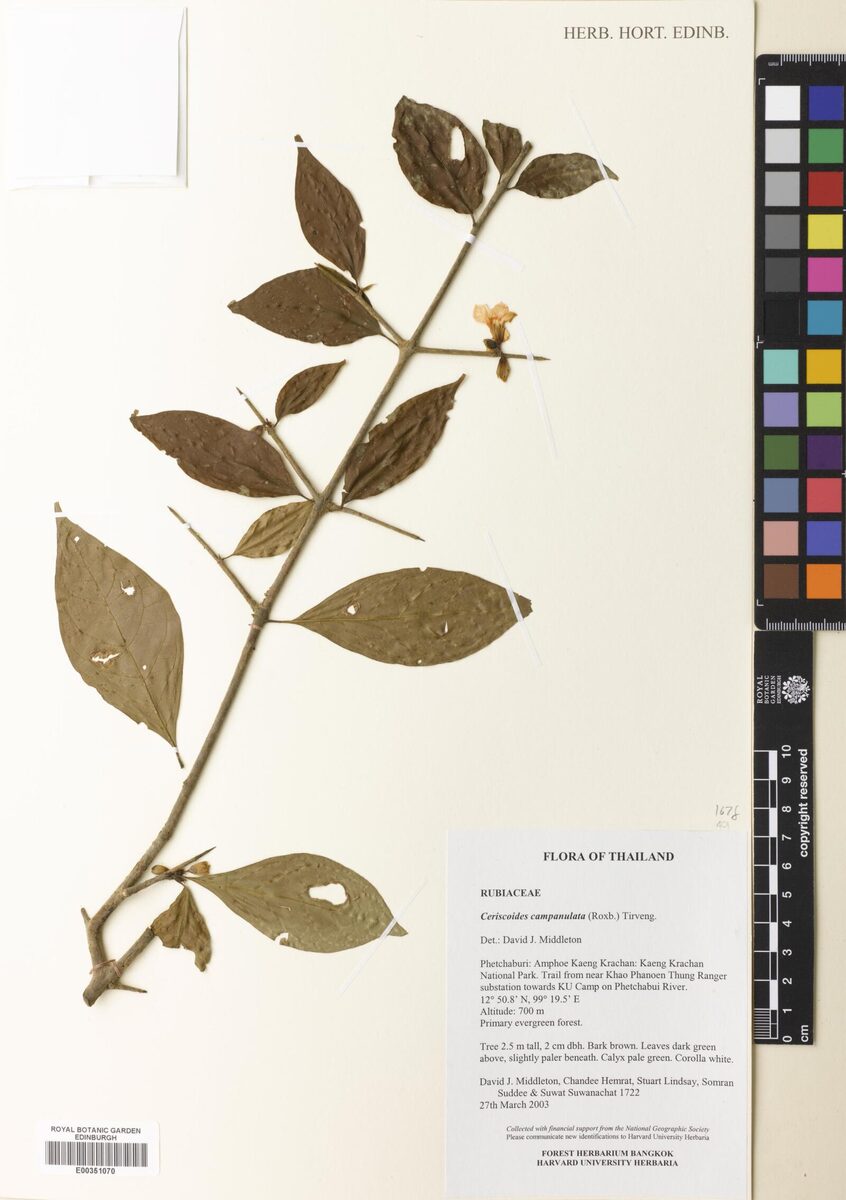
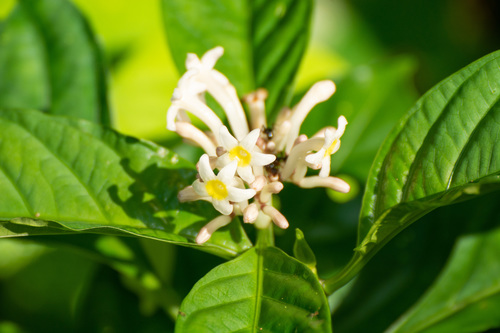
A small tree. It loses its leaves during the year. It grows 3-8 m high. The main stem is straight. There are often a group of small slender stems. The leaves are opposite or in clusters on small side shoots. The leaves are thin and 2-7 cm long by 1-6 cm wide. They are light green. There are tufts of hairs near the veins underneath. The flowers are small and greenish-white. They have a slight scent. The flowers are in clusters in the axils of leaves. The fruit is oblong and unequal in shape. They are 7-10 mm long and have 1-2 lobes. They are black when ripe.
Edible Uses
The fruit are eaten fresh and have a flavor similar to wild medlar.
Traditional Uses
The fruit are eaten fresh. They have the flavour of wild medlar.
This uses section is brief — help expand it
Medicinal Uses
None mentioned in provided data.
Known Hazards
None mentioned in provided data.
Distribution
A tropical plant. It grows from sea level to 1500 m altitude in South Africa. They grow in evergreen forest and in mountain grassland. It grows on rocky mountain hillsides and in forests.
Where It Grows
Africa, Botswana, East Africa, Eswatini, Mozambique, South Africa, Southern Africa, Swaziland, Zimbabwe,
Notes
There are about 200 Canthium species.
Synonyms
Also Known As
Klipels, Mutomboti, Sivilwane, Siluwane, Umphatsankhosi, Wild coffee
References (12)
- Fox, F. W. & Young, M. E. N., 1982, Food from the Veld. Delta Books. p 328 (As Canthium mundianum)
- Long, C., 2005, Swaziland's Flora - siSwati names and Uses http://www.sntc.org.sz/flora/ (As Canthium mundianum)
- Magwede, K., van Wyk, B.-E., & van Wyk, A. E., 2019, An inventory of Vhavenḓa useful plants. South African Journal of Botany 122 (2019) 57–89
- Palgrave, K.C., 1996, Trees of Southern Africa. Struik Publishers. p 884 (As Canthium mundianum)
- Palmer, E and Pitman, N., 1972, Trees of Southern Africa. Vol. 2. A.A. Balkema, Cape Town p 2097 (As Canthium mundianum)
Show all 12 references Hide references
- Peters, C. R., O'Brien, E. M., and Drummond, R.B., 1992, Edible Wild plants of Sub-saharan Africa. Kew. p 168 (As Canthium mundianum)
- Ruiters-Welcome, A. K., 2019, Food plants of southern Africa. Ph.D. thesis. Univ. of Johannesburg p 95
- Schmidt, E., Lotter, M., & McCleland, W., 2007, Trees and shrubs of Mpumalanga and Kruger National Park. Jacana Media p 620 (As Canthium mundianum)
- Swaziland's Flora Database http://www.sntc.org.sz/flora (As Canthium mundianum)
- van Wyk, B, van Wyk, P, and van Wyk B., 2000, Photographic guide to Trees of Southern Africa. Briza. p 78 (As Canthium mundianum)
- Welcome, A. K. & Van Wyk, B.-E., 2019, An inventory and analysis of the food plants of southern Africa. South African Journal of Botany 122 (2019) 136–179
- www.theplantlist.org