Oudemansiella mucida
(Schrad.) Hohn.
Porcelain fungus, Beech tuft
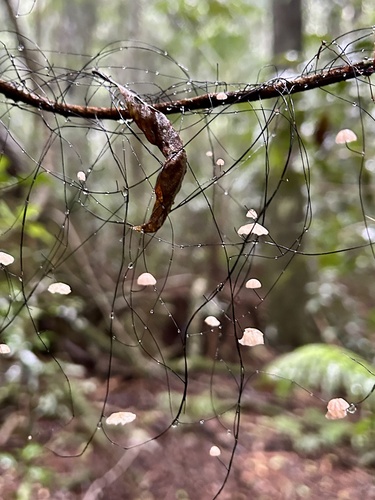
iNaturalist· cc-by-nc
(c) Lisa Schwarz, some rights reserved (CC BY-NC), uploaded by Lisa Schwarz
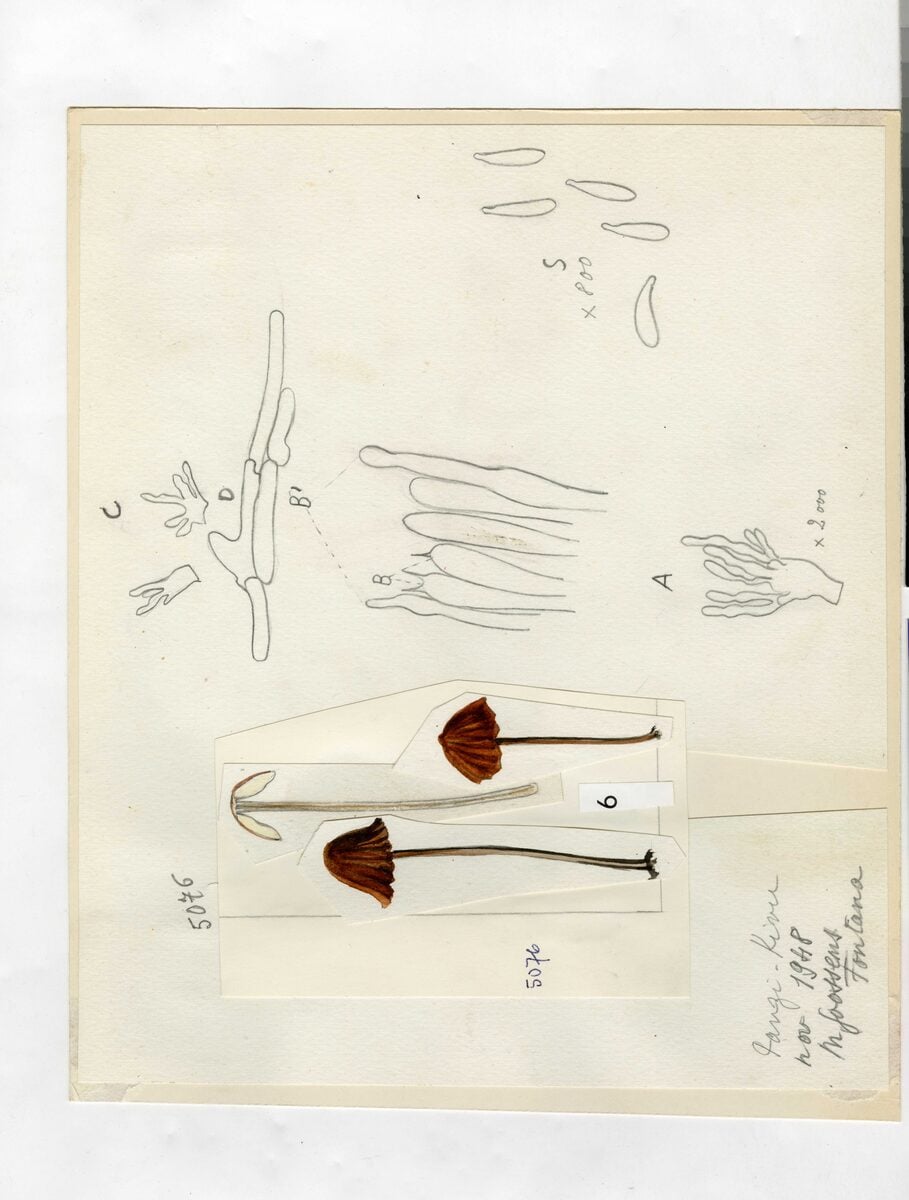
iNaturalist· cc-by-sa
(c) Björn Sothmann, some rights reserved (CC BY-SA)
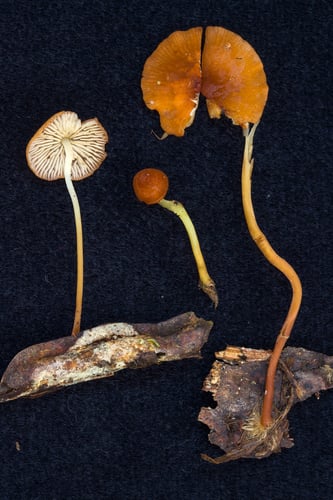
iNaturalist· cc-by-nc
(c) Claudia Pogoreutz, some rights reserved (CC BY-NC)
Summary
Source: WikipediaOudemansiella mucida, commonly known as porcelain fungus, is a basidiomycete fungus of the family Physalacriaceae and native to Europe. O. mucida is a white, slimy wood-rot fungus and is strongly tied to rotting beech, where it grows in clusters. It is in season late summer to late autumn, and tiny fungi can then sometimes be seen parachuting from high branches, when they are dislodged by the wind on breezy days.
Description
A mushroom in the family Marasmiaceae (also placed in Physalacriaceae) that grows in tropical and temperate regions.
This description is brief — help expand it
Edible Uses
The mushroom is eaten.
Distribution
It grows in tropical and temperate places.
Where It Grows
Asia, China, Europe, Hong Kong, Indonesia, Papua, Russia, SE Asia,
Notes
Also put in the family Physalacriaceae.
Synonyms
Also Known As
Nianxiaoaodemo
References (4)
- Boa, E. R., 2004, Wild edible fungi and their importance to people. FAO Non Wood Forest Products Booklet 17
- Hall, I. R., et al, 2003, Edible and Poisonous Mushrooms of the World. Timber Press. p 313
- Pace, G., 1998, Mushrooms of the world. Firefly books. p 84 (As Mucidula mucida)
- Walulo, E. B., 2008, Review: Research Ethnobotany in Indonesia and the Future Perspectives. Biodiversitas Vol. 9 Nomor 1. Halaman 59-63 http://www.unsjournals.com/D/D0901/D090114.pdf