Leptadenia arborea
(Forssk.) Schweinf.
iNaturalist· cc-by-nc
(c) Ali Mohammed Alzahrani, some rights reserved (CC BY-NC)
Description
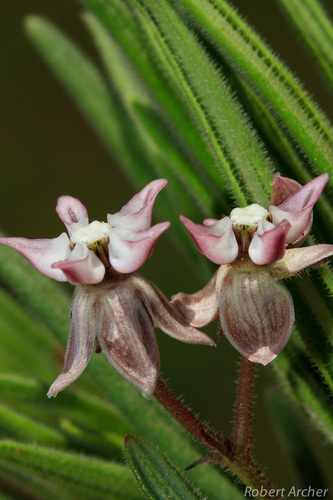
A slender climber. The branches have small hairs near the tips. The leaves are 2-6 cm long by 1-5 cm wide. They vary in shape The flowers are in groups of 5-20 and are greenish-yellow. The fruit are follicles 6-8 cm long by 1 cm wide.
Edible Uses
The ripe fruit are eaten, particularly by children. The leaves, young shoots, and flowers are used as flavoring for soups.
Traditional Uses
The ripe fruit are eaten. The leaves, young shoots and flowers are used to flavour soups.
This uses section is brief — help expand it
Distribution
It is a tropical plant.
Where It Grows
Africa, Algeria, Arabia, Burkina Faso, Cameroon, Central Africa, Central African Republic, CAR, Chad, Djibouti, Egypt, Eritrea, Ethiopia, Mali, Mauritania, Middle East, Niger, Nigeria, North Africa, Sahara, Sahel, Saudi Arabia, Somalia, West Africa, Yemen,
Cultivation
It can be trained to climb over walls and fences.
Other Information
The fruit are eaten especially by children.
Notes
Also put in the family Asclepiadaceae.
Synonyms
Also Known As
Al lende, Lahiri
References (3)
- Burkill, H. M., 1985, The useful plants of west tropical Africa, Vol. 1. Kew.
- Le Houerou, H. N., (Ed.), 1980, Browse in Africa. The current state of knowledge. International Livestock Centre for Africa, Ethiopia. p 161
- World Checklist of Useful Plant Species 2020. Royal Botanic Gardens, Kew