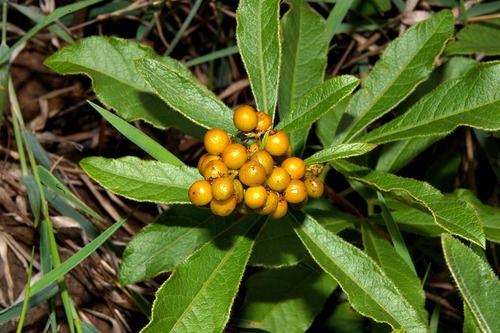
Lannea nigritana
(Sc. Elliot) Keay
gbif· cc-by-nc
GBIF
gbif· cc-by
Royal Botanic Gardens, Kew
gbif· cc-by-nc-sa
MBG
Description
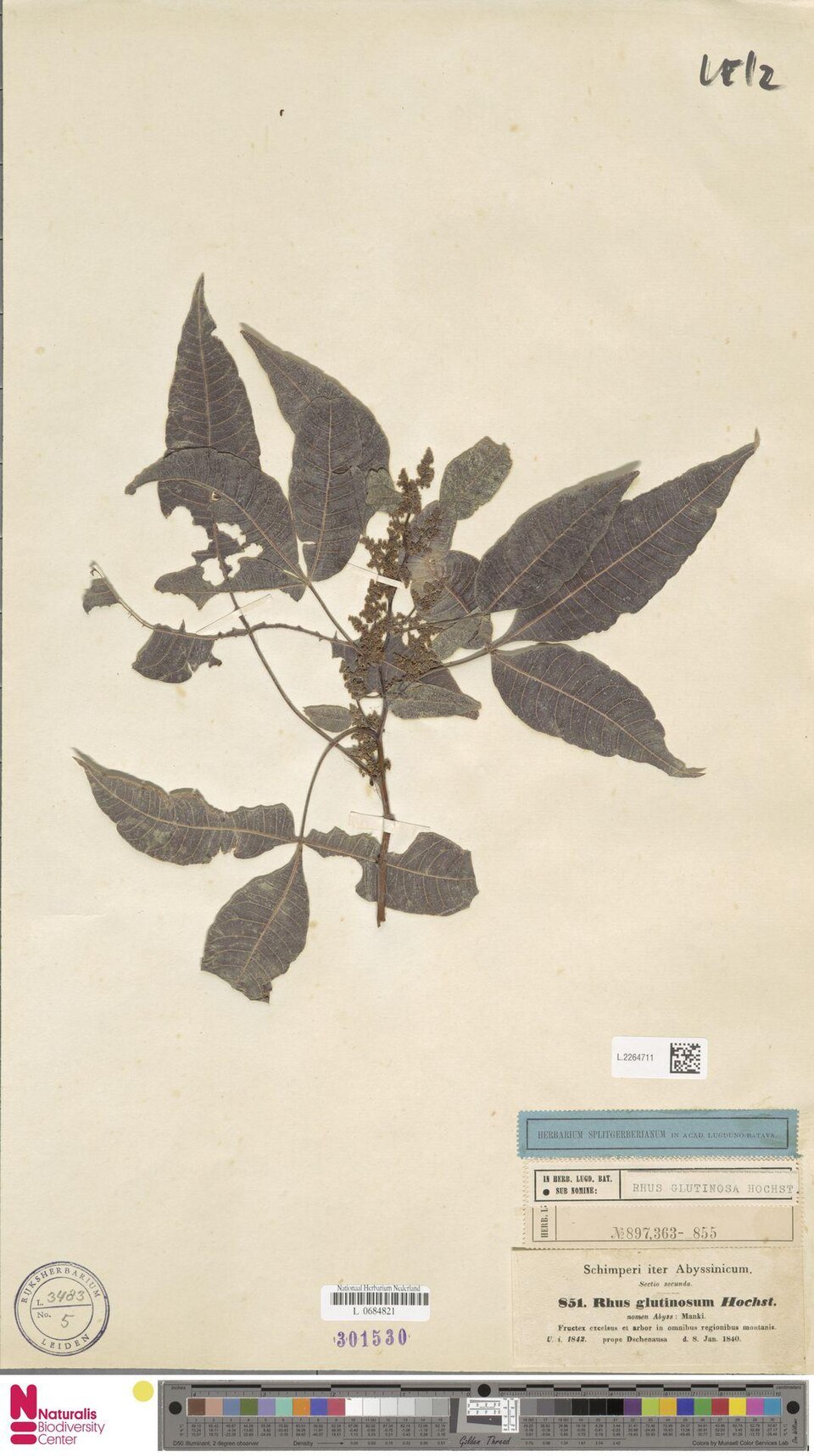
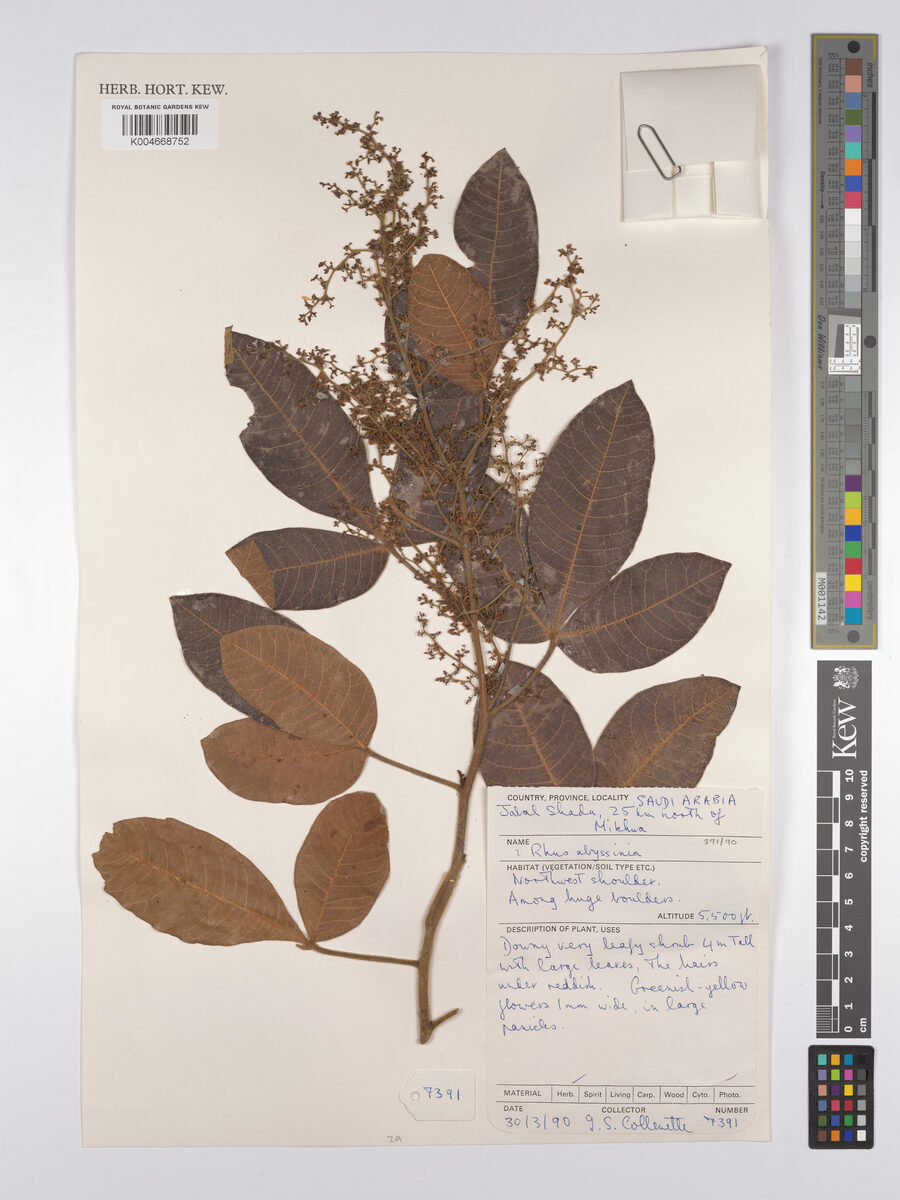
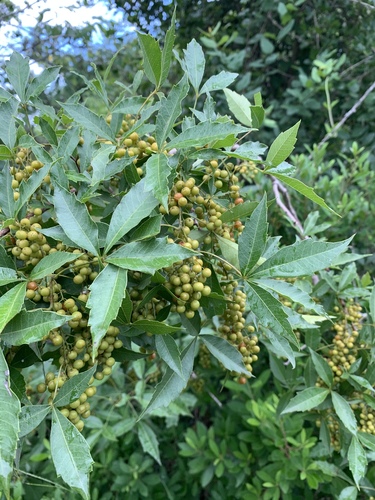
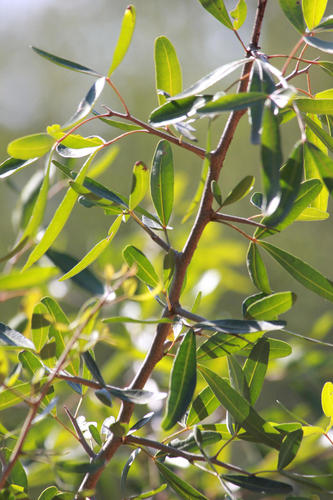
A small tree. It grows 15 m high. Very young leaflets can be hairy. The leaves are compound and have leaflets along the stalk. There are 3-6 pairs of leaflets and one at the end. It loses its leaves after fruiting. The flowers are yellow. The fruit are small and black. The are oval and fleshy. They are 7 mm long by 5 mm wide.
Edible Uses
The fruit is eaten.
Medicinal Uses
A decoction of the bark is used in the treatment of intestinal pains and dysentery. Sap from the pounded bark is given to epileptics and persons subject to giddiness and fainting. Applied externally, the pulped bark is put on areas of skin trouble, and into sore. The powdered bark is considered to be a sovereign remedy for stubborn sores and the inner bark layer is used in massage to restore muscular tone. A decoction of the roots and bark in butter, and in a draught, is used in the treatment of chest-troubles and stiffness. The powdered root, combined with the leaves of Strychnos sp., is used as a treatment for abscesses and inflammations. A decoction of leaves and twig-bark is administered as an enema for treating abdominal complaints. The seed is purgative.
Distribution
It is a tropical plant. It grows in the drier savannah forest zone in West Africa.
Where It Grows
Africa, Burkina Faso, Côte d'Ivoire, Gambia, Ghana, Guinea, Guinée, Guinea-Bissau, Ivory Coast, Liberia, Nigeria, Senegal, Sierra Leone, West Africa,
Other Uses
Ash from the burnt wood is a source of potash that is used to make soap. In Sierra Leone a variety is recognized which ’does not have knobs on the bark.’ This is said to have a finer scent than other forms and women collect the frass made by borers in the stem, dry it out, grind it and mix it with water. This is used as a scented cosmetic to rub on the body, and also to rub on to areas of craw-craw.
Production
It flowers and fruits during the dry season.
Synonyms
Also Known As
Bembedje, Bembem-hei, Bembo, Betolodje, Bimbe, Gbagin-kaima, Gboji-hinei, Ka-thantha-lap, Kanamamusui, Kwamamusui, Lokure, Mantede, Tchingole
References (3)
- Burkill, H. M., 1985, The useful plants of west tropical Africa, Vol. 1. Kew.
- Savill, P. S. & Fox, J. E. D., Trees of Sierra Leone. p 45
- World Checklist of Useful Plant Species 2020. Royal Botanic Gardens, Kew