Rotheca myricoides
(Hochst.) Steane & Mabberley
Butterfly bush, Blue cat's whiskers
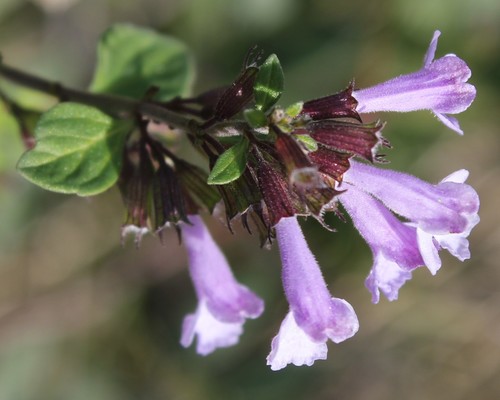
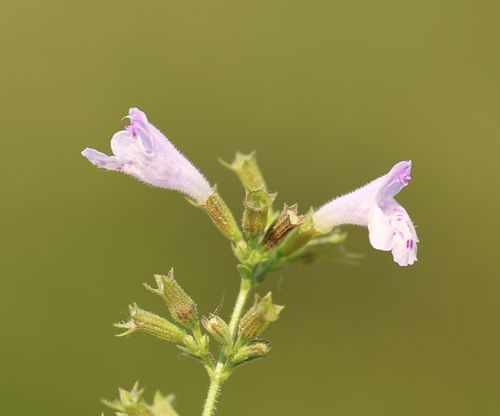
iNaturalist· cc-by-nc
(c) etsang, some rights reserved (CC BY-NC)
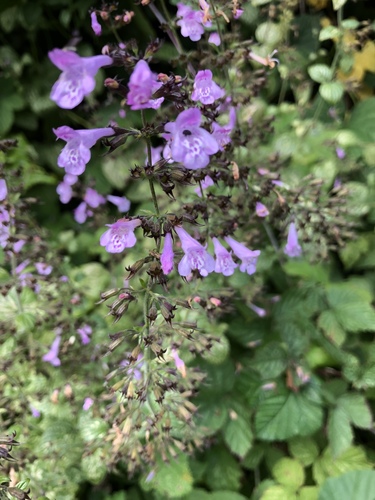
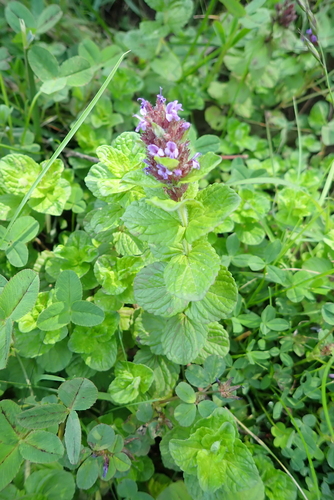
iNaturalist· cc-by-nc
(c) magdastlucia, some rights reserved (CC BY-NC), uploaded by magdastlucia
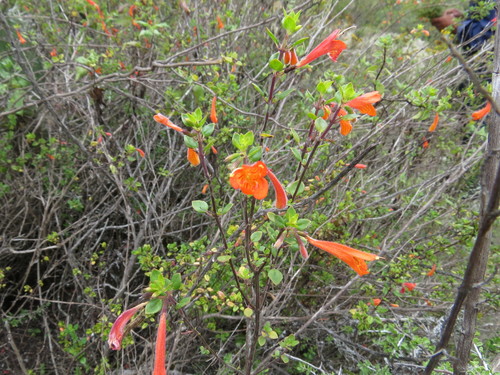
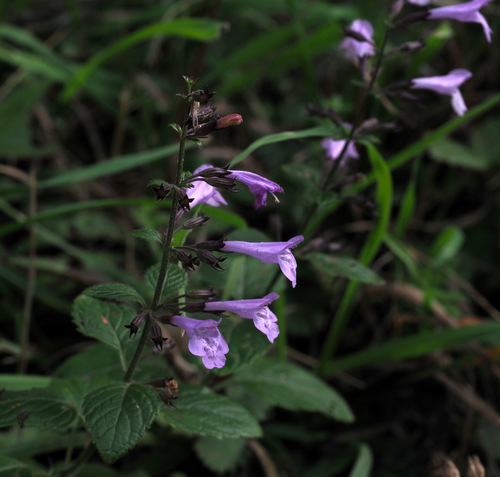
iNaturalist· cc-by-nd
(c) Kyle Campbell, some rights reserved (CC BY-ND), uploaded by Kyle Campbell
Summary
Source: WikipediaRotheca myricoides or Butterfly Clerodendrum, Butterfly Bush, and (butterfly bush – also a name for Buddleja species) is a species of flowering plant in the family Lamiaceae. It is native to tropical eastern Africa and widely cultivated elsewhere. In cultivation, it is frequently known by one of its synonyms, such as Clerodendrum myricoides. The cultivar 'Ugandense' is an untidy evergreen shrub growing to 4 m (13 ft) tall and 2.5 m (8.2 ft) broad, with oval leaves and masses of pale-violet blue butterfly-like flowers in summer and autumn. Each flower has a darker blue lower petal. With a minimum temperature of 10 °C (50 °F), this plant can only be grown under glass in temperate zones. The altitude range for this species is 900–1680 m. The plant has won the Royal Horticultural Society's Award of Garden Merit.
Description
An evergreen shrub or small tree. It grows 3-7 m tall. The bark is grey. It has marks along it. The bark on the older branches is rough and cracked. It has irregular branches. The leaves are opposite or in rings of 3-4 and oval. They are wedge shaped at the base and tapers to the tip. They are 2.5-9.5 cm long by 1-5.5 cm wide. They are softly textured. There are fine dense hairs on both surfaces. The underneath surface is paler. The edges have coarse teeth. The base of the leaf tapers running into the leaf stalk. The leaf stalk can be 1.5 cm long. The flowers are 2 cm across. They occur in heads of a few flowers in the axils of leaves and at the ends of branches. The fruit have 2-4 lobes. They are 5-10 mm across and reddish but turn black when mature. The fruit are edible.
Edible Uses
The ripe fruit is eaten as a snack.
Traditional Uses
The fruit is eaten as a snack.
This uses section is brief — help expand it
Distribution
It is a tropical plant. It can grow in areas with a marked dry season up to 6-11 months. It can grow in stony and sandy soils. It grows between 30-1,800 m above sea level. It occurs in rocky places along streams. It is also in open woodland and near termite mounds. It can grow in arid places. In Melbourne Botanical gardens.
Where It Grows
Africa, Angola, Australia, Botswana, Burundi, Central Africa, Congo, Djibouti, East Africa, Eswatini, Ethiopia, Hawaii, Kenya, Malawi, Mozambique, Namibia, Pacific, Rwanda, Somalia, South Africa, Southern Africa, Sudan, Swaziland, Tanzania, Uganda, USA, Zambia, Zimbabwe,
Cultivation
Plants can be grown from seed, cuttings or layering.
Synonyms
Also Known As
Abeqa, Bandamuchenene, Buputi, Cat's whiskers, Luphehlacwatsi, Mapolwa, Mnindi, Mudzimamuriro, Municarba, Muparamhozva, Mussumbe, Mutilingwa, Mutume, Namununca, Nhanadzi, Nyamhepo, Rough-leaf cats-whiskers, Smelly cats-whiskers, Zanzi
References (12)
- Flora Zambesiaca. http://apps.kew.org/efloras
- Fowler, D. G., 2007, Zambian Plants: Their Vernacular Names and Uses. Kew. p 43
- Linnaea 43:535. 1882 (R. Br. in H. Salt, Voy. Abyss. app. lxv. 1814, nom. nud.) (As Clerodendrum myricoides)
- Long, C., 2005, Swaziland's Flora - siSwati names and Uses http://www.sntc.org.sz/flora/
- Molla, A., Ethiopian Plant Names. http://www.ethiopic.com/aplants.htm (As Clerodendrum myricoides)
Show all 12 references Hide references
- Palgrave, K.C., 1996, Trees of Southern Africa. Struik Publishers. p 815 (As Clerodendrum myricoides)
- Royal Botanic Gardens, Kew (1999). Survey of Economic Plants for Arid and Semi-Arid Lands (SEPASAL) database. Published on the Internet; http://www.rbgkew.org.uk/ceb/sepasal/internet [Accessed 19th April 2011]
- Ruiters-Welcome, A. K., 2019, Food plants of southern Africa. Ph.D. thesis. Univ. of Johannesburg p 71
- Staples, G.W. and Herbst, D.R., 2005, A tropical Garden Flora. Bishop Museum Press, Honolulu, Hawaii. p 556 (As Clerodendrum myricoides)
- Welcome, A. K. & Van Wyk, B.-E., 2019, An inventory and analysis of the food plants of southern Africa. South African Journal of Botany 122 (2019) 136–179
- World Checklist of Useful Plant Species 2020. Royal Botanic Gardens, Kew
- www.zimbabweflora.co.zw 2011