Leucojum vernum
L.
Spring snowflake
iNaturalist· cc-by-nc
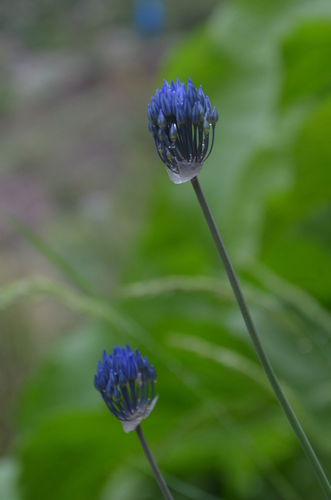
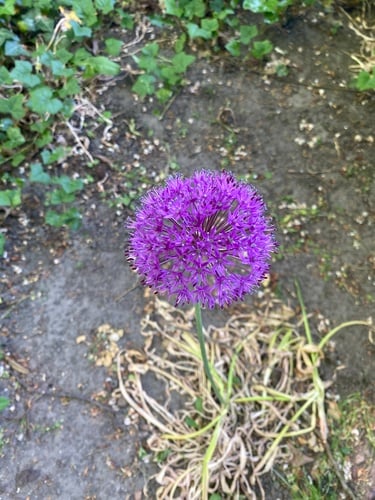
(c) Alberto Colatore, some rights reserved (CC BY-NC), uploaded by Alberto Colatore
iNaturalist· cc-by-nc
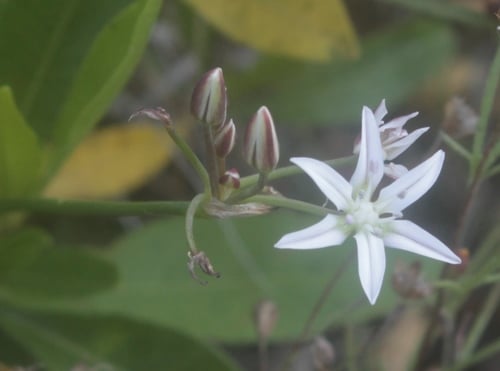
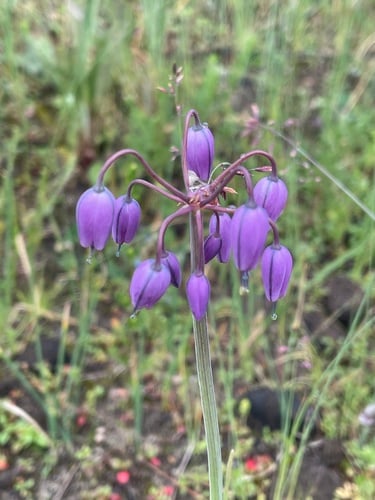
(c) lastovka, some rights reserved (CC BY-NC)
iNaturalist· cc-by-nc
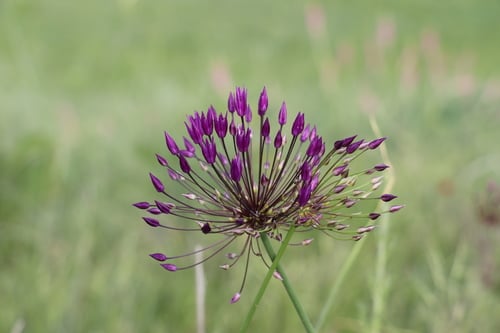
(c) Markus Ackermann, some rights reserved (CC BY-NC), uploaded by Markus Ackermann
Summary
Source: WikipediaLeucojum vernum, commonly called the spring snowflake, St. Agnes' flower (for the patron saint of virgins), and rarely snowbell among others, is a species of flowering plant in the family Amaryllidaceae. It is native to central and southern Europe from Belgium to Ukraine. It is considered naturalized in north-western Europe, including Great Britain and parts of Scandinavia, and in the US states of Georgia and Florida. This spring flowering bulbous herbaceous perennial is cultivated as an ornamental for a sunny position. The plant multiplies in favourable conditions to form clumps. Each plant bears a single white flower with greenish marks near the tip of the tepal, on a stem about 10–20 cm (3.9–7.9 in) tall, occasionally more. The Latin specific epithet vernum means "relating to Spring"; its close relative, Leucojum aestivum, flowers in summer.
Description
A small bulb reaching 20cm tall and 10cm wide, hardy to UK zone 5 and frost-resistant. Flowers appear from March to April, with seeds ripening by July. The plant is hermaphroditic and bee-pollinated, making it attractive to wildlife. It thrives in light sandy, medium loamy, or heavy clay soils across a wide pH range from mildly acidic to very alkaline. Grows in full shade (deep woodland) to semi-shade (light woodland) and prefers consistently moist conditions.
Edible Uses
No edible uses are known for this plant.
Traditional Uses
Starch is extracted from the bulbs.
This uses section is brief — help expand it
Medicinal Uses
No medicinal uses are known for this plant.
Known Hazards
All species of Leucojum are poisonous, as the leaves and bulbs contain the toxic alkaloids lycorine and galantamine. Galantamine is used for the treatment of cognitive decline in mild to moderate Alzheimer's disease and various other memory impairments.
Distribution
It is a temperate plant.
Where It Grows
Austria, Balkans, Belgium, Bosnia, Britain, Bulgaria, Czech Republic, Europe, France, Germany, Greece, Hungary, Italy, Mediterranean, Poland, Romania, Russia, Slovenia, Switzerland, Yugoslavia,
Cultivation
Easily grown in ordinary garden soil. Prefers an open rich moist limy soil. Succeeds in shade or semi-shade. If naturalizing in short grass, a light, well-drained soil is essential. The dormant bulbs are fairly hardy and will withstand soil temperatures down to at least -5°c. A very ornamental plant. The flowers have a powerful scent that is likened by some to hawthorns and by others to violets. Members of this genus are rarely if ever troubled by browsing deer or rabbits. A good bee plant. Plants can be naturalized in damp rough grass.
Propagation
Sow fresh seed as soon as it is ripe in well-drained soil in a cold frame. Stored seed requires 2–3 months of cold stratification and should then germinate in 2–4 weeks at 10°C. Sow thinly so seedlings can remain undisturbed in their pots for the first year, giving occasional weak liquid feeds to prevent nutrient deficiency. Pot up small bulbs when dormant, planting 2–3 per pot, and grow on for another 2–3 years before planting out. Offsets can be divided in September or October, ideally as soon as the foliage ripens. Scooping the bulbs is also an option.
Other Uses
No other uses are known for this plant.
Other Information
It is a famine food.
Also Known As
Bledulejarni, Pomladanski veliki zvonček, Rani drijemovac
References (3)
- http://www.botanic-gardens-ljubljana.com/en/plants
- Redzic, S. J., 2006, Wild Edible Plants and their Traditional Use in the Human Nutrition in Bosnia-Herzegovina. Ecology of Food and Nutrition, 45:189-232
- Simkova, K. et al, 2014, Ethnobotanical review of wild edible plants used in the Czech Republic. Journal of Applied Botany and Food Quality 88, 49-67