Rubus chingii
H. H. Hu
Zhang ye fu pen zi
iNaturalist· cc-by-nc
(c) Guanning Liu, some rights reserved (CC BY-NC), uploaded by Guanning Liu
iNaturalist· cc-by-nc
(c) Guanning Liu, some rights reserved (CC BY-NC)
Description
A shrub. It can be creeping. It grows up to 3 m tall. The branches are green when young and red to brown when older. The leaves are simple and 5-11 cm long by 5-13 cm wide. There are about 5 lobes. The flowers occur singly at the ends of branches. The flowers are 3-4 cm across. The fruit is aggregate and red. It is up to 2 cm across.
Edible Uses
The sweet red fruit are eaten fresh or processed into jam, jelly, drinks, and wine.
Traditional Uses
The fruit are sweet and eaten fresh. They are also used for jam, jelly and drinks. They are also used for wine.
This uses section is brief — help expand it
Distribution
It is a temperate plant. In central China it grows between 500-1,000 m above sea level.
Where It Grows
Asia, China, Japan,
Other Information
The fruit are popular.
Dangerous Lookalikes
This plant can be confused with the following toxic species. Always verify identification carefully before consuming any wild plant.
Red Baneberry
Actaea rubra
Walter Siegmund (talk)
Zhang ye fu pen zi
Rubus chingii
(c) Guanning Liu, some rights reserved (CC BY-NC), uploaded by Guanning Liu
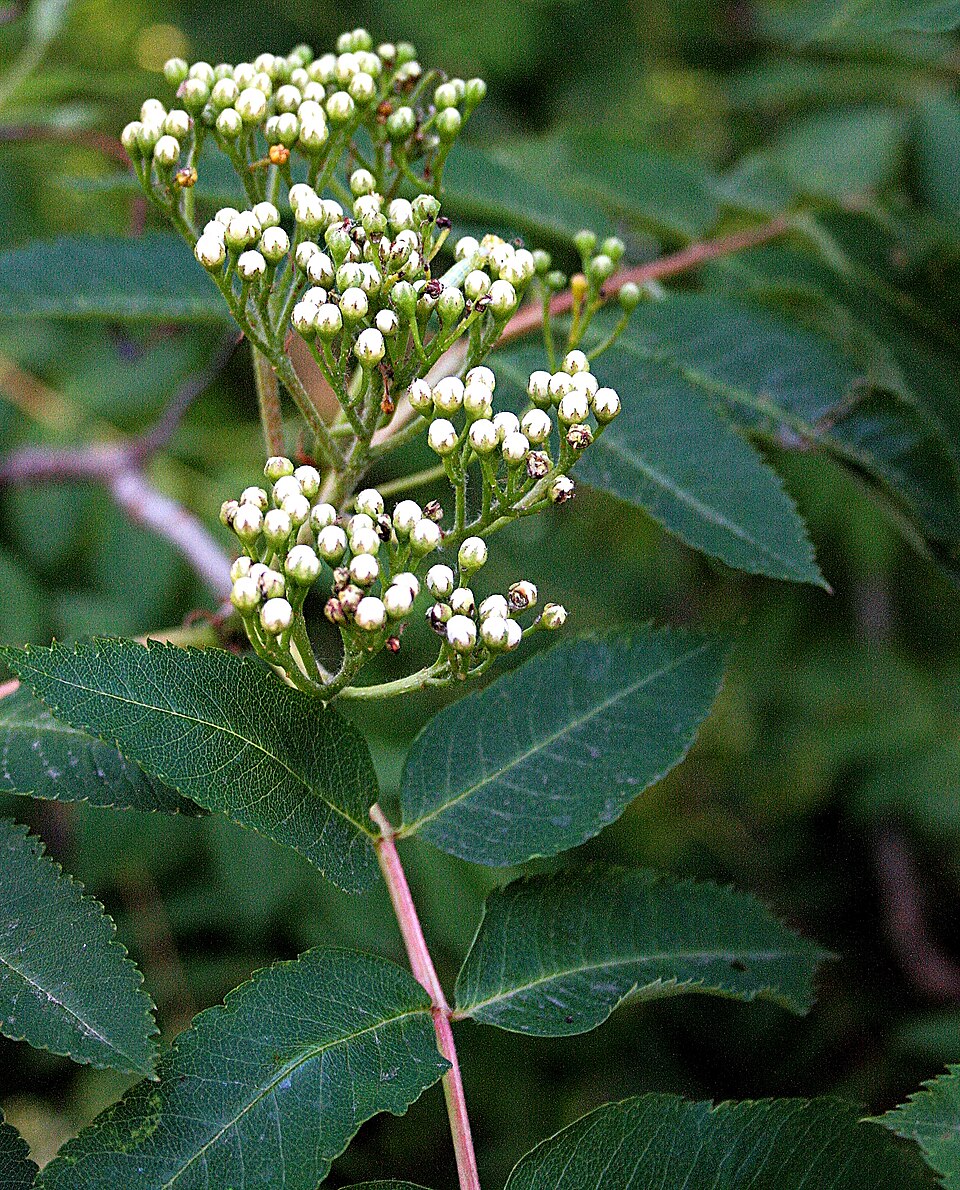
Red Baneberry: Short herbaceous plant (no thorns), berries on thick red stems, each berry has a single seed, compound sharply-toothed leaves.
Zhang ye fu pen zi: Thorny woody canes (brambles), aggregate berry made of many drupelets, berries pull easily from receptacle.
References (1)
- Flora of China. www.eFloras.org Volume 9